


 Piles, Fissure & Fistula Medicines
 Constipation Care
 Acidity Care
 IBS & Gut Health
 Healing with Turmeric


By By Dr Leena Dhole
BAMS, MS (General Surgery)
Proctosurgeon, Healing Hands Clinic
Table Of Contents
Key Takeaways
Introduction
Many people experience discomfort around the anus but struggle to understand whether it's just temporary irritation or a sign of something more serious. Piles symptoms can often be mistaken for general discomfort, leading to delayed treatment and unnecessary worry.
Discomfort around the anus happens to everyone at some point. It could be caused from sitting too long, eating spicy food, or even poor hygiene. But when does this discomfort signal something more serious, like piles (also known as hemorrhoids)?
Piles or hemorrhoids symptoms are quite different from general irritation. Piles are swollen veins in your rectum or anus that cause specific symptoms—bleeding, lumps, or persistent pain. Understanding these key differences can help you know when to seek medical attention and when simple lifestyle changes may be enough.
Common Piles Symptoms You Should Not Avoid
Recognising hemorrhoids symptoms early helps you take action before they worsen and cause serious complications.
Pain and Discomfort
Hemorrhoids symptoms often start with sharp, throbbing, or burning pain around your anus. This discomfort usually happens when the veins around your anus swell up, especially with external piles or when blood clots form inside them.
The pain typically strikes during or right after you pass stools. It might stick around for hours, making it uncomfortable to sit or walk. When blood clots develop in the swollen veins, you'll feel intense pain and notice a hard lump near your anus.
Spice Up Your Life (and Gut)!
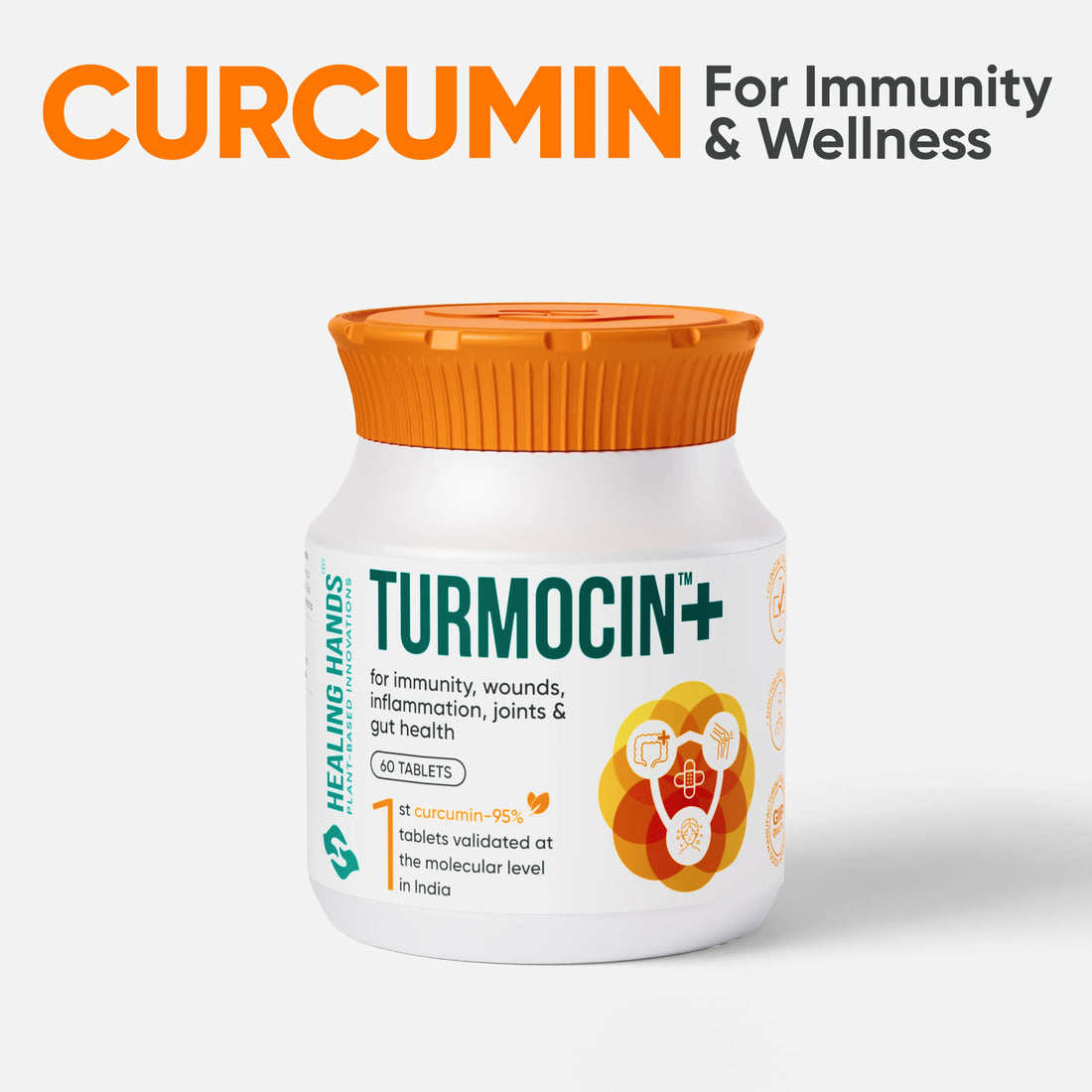
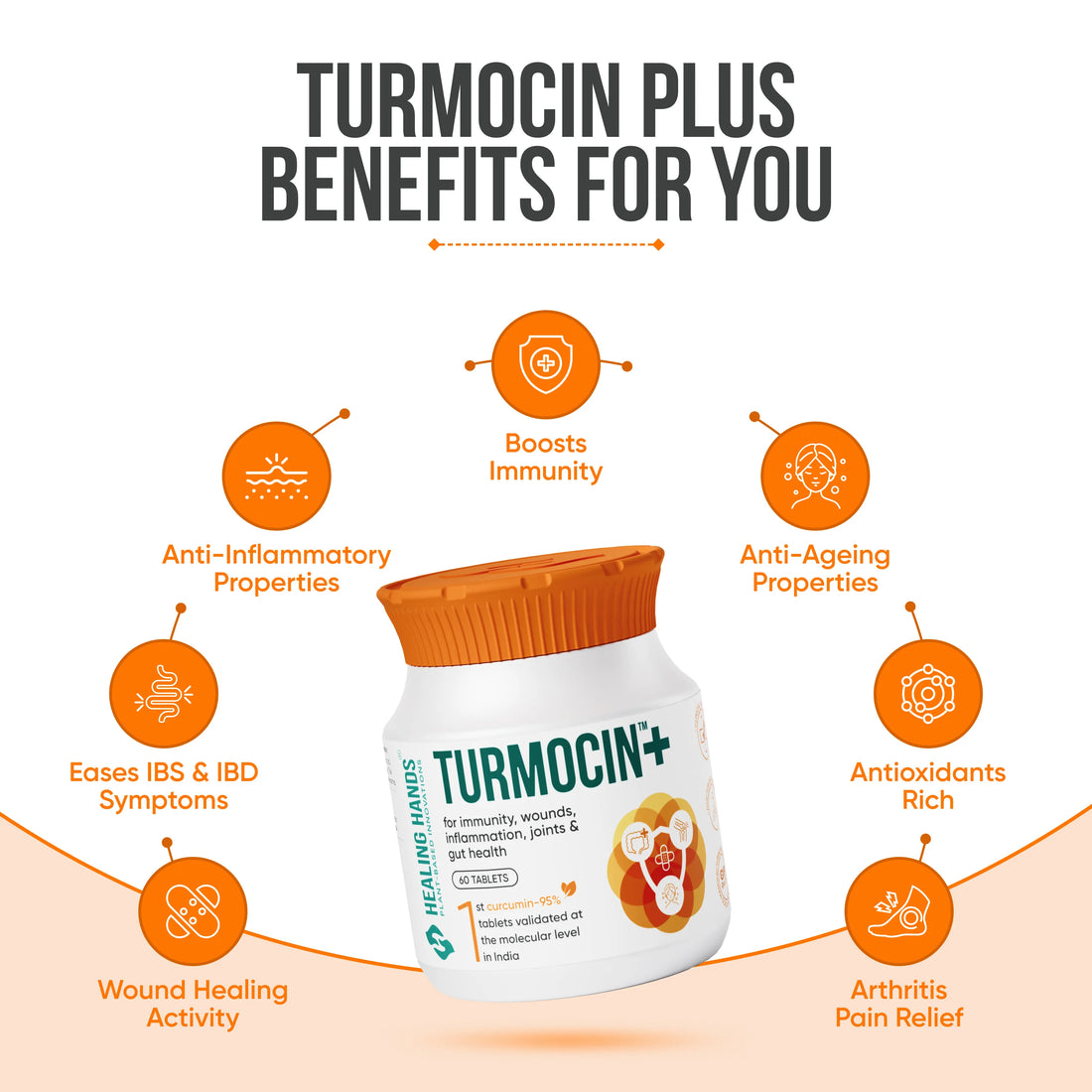
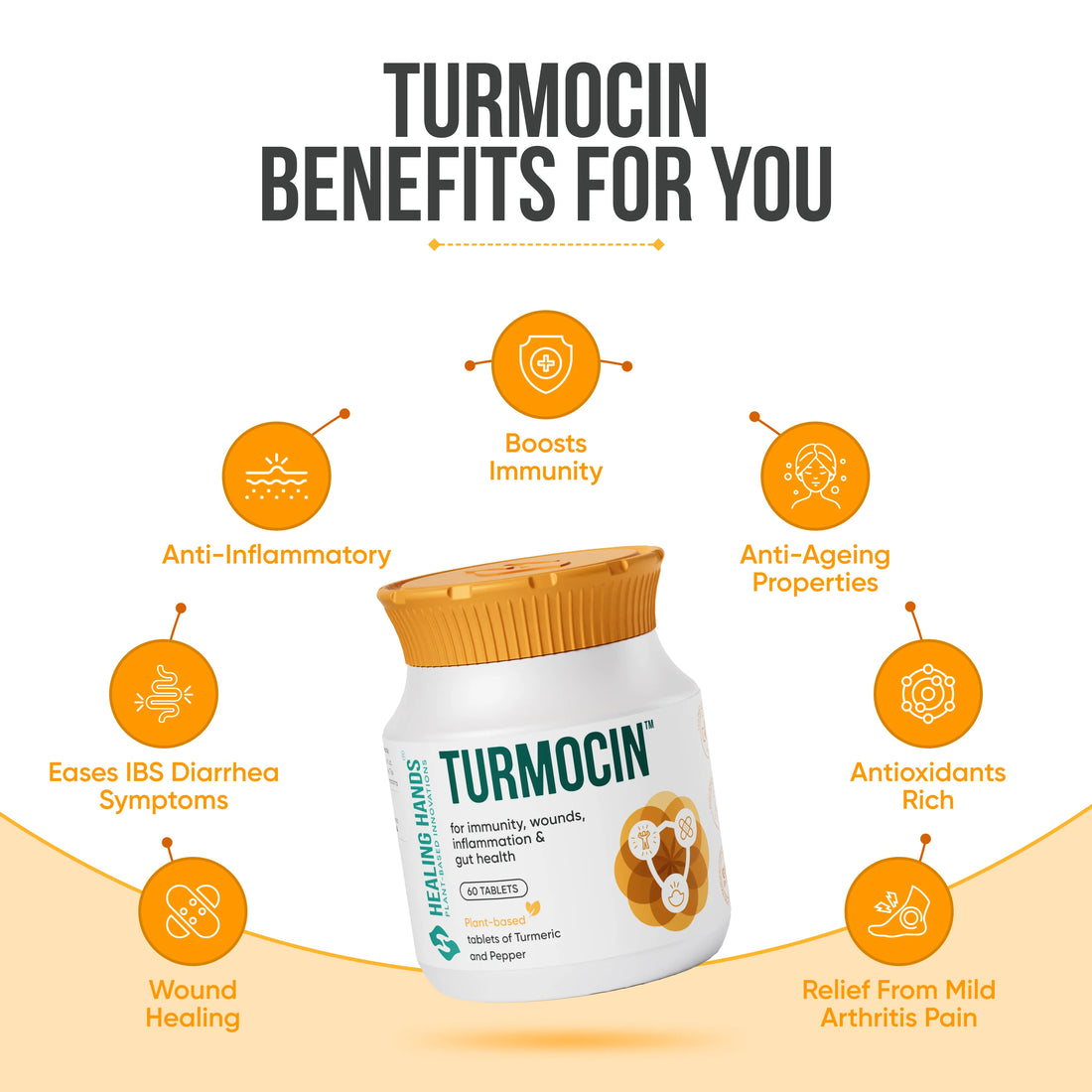
Curcumin, the active compound in turmeric, has been shown to have potent anti-inflammatory effects that can soothe inflamed hemorrhoid tissue. Try adding a pinch of turmeric to your daily dals or curries for natural relief from hemorrhoids symptoms.
Bleeding
Bright red blood on toilet paper or in the toilet bowl is one of the most common hemorrhoids symptoms. This occurs when swollen veins in the rectal area rupture during a bowel movement, causing light bleeding.
If the hemorrhoids are internal, the bleeding is usually painless. External hemorrhoids, on the other hand, may cause both bleeding and discomfort. The blood appears bright red because it is fresh and has not travelled far through your body.
While this symptom often points to hemorrhoids, any rectal bleeding should be checked by a doctor, as it could also indicate other, more serious conditions.
Swelling
Swelling around your anus appears as lumps or bulges that you can see or feel. Internal piles symptoms include swollen veins that might push out through your anus, while external piles create visible lumps around the opening.
These swollen areas can feel tender, especially when you sit down or during bowel movements. If blood clots form inside them, the lumps become hard and extremely painful.
Are you sitting right?
Did you know that prolonged sitting, a common issue for many office-bound Indians, can actually exacerbate anorectal disorders? The increased pressure on the rectal veins can worsen conditions like hemorrhoids. Be sure to take regular breaks, practice good posture, and incorporate movement throughout the day to improve circulation and prevent flare-ups.
Itching
Persistent itching around the anus is a common and bothersome symptom of piles. It is usually caused by mucus discharge from enlarged hemorrhoids, which keeps the area moist and irritated, leading to constant itching and discomfort.
In women, this symptom can be more pronounced, especially due to hormonal changes or increased pressure in the pelvic area during pregnancy. Although the urge to scratch can be strong, doing so worsens the irritation and increases the risk of infection.
It is also important to note that anal itching is not always caused by piles. Sometimes, especially if the itching is worse at night, it could be caused by intestinal worms like pinworms. Recognising this difference is important for proper diagnosis and treatment.
Piles Symptoms Pictures: Visual Guide
Here's a quick visual overview to help you identify common symptoms of piles, including swelling, itching, bleeding, and discomfort—so you know when it's time to seek help.
When to Seek Medical Attention
You should seek medical attention for piles symptoms if:
- Bleeding is persistent or heavy, especially if it accompanies dizziness or fatigue
- Pain becomes severe and interferes with daily activities
- Swelling or lumps around the anus increase in size or become hard and tender
- Symptoms don’t improve with home treatment after a week
- You experience leakage of stool or mucus, or have difficulty controlling bowel movements
- There's sudden or unexplained weight loss, which could suggest a more serious issue Prompt evaluation of hemorrhoids symptoms helps rule out conditions like colorectal cancer or fissures and ensures proper treatment.
Tips to Prevent Piles
Prevention of piles focuses on maintaining smooth bowel movements and reducing pressure on anal veins. Here we have some useful tips for you:
- Your diet plays a crucial role—increase fibre intake through whole grains like millet and brown rice, which add bulk to stools and make them easier to pass.
- Include vegetables such as spinach, carrots, and beetroot, along with cruciferous options like broccoli, cauliflower, and cabbage. The best way to prepare them is by sautéing, roasting, steaming, or boiling. Also, add fruits like papaya and guava to your daily diet. These foods are rich in natural fiber, which helps soften stools and makes bowel movements easier, reducing the need to strain.
- Fibers are most effective when they absorb water. Staying properly hydrated allows fiber to function more effectively, keeping stools soft and easy to pass. This reduces straining during bowel, which can otherwise worsen piles symptoms in women as well as men.
- Avoid straining during bowel movements and respond promptly to bowel urges.
- Engage in daily walks or yoga to stimulate bowel function.
- Limit prolonged sitting or standing on hard surfaces.
- Practice good anal hygiene using gentle, wet wipes or warm water.
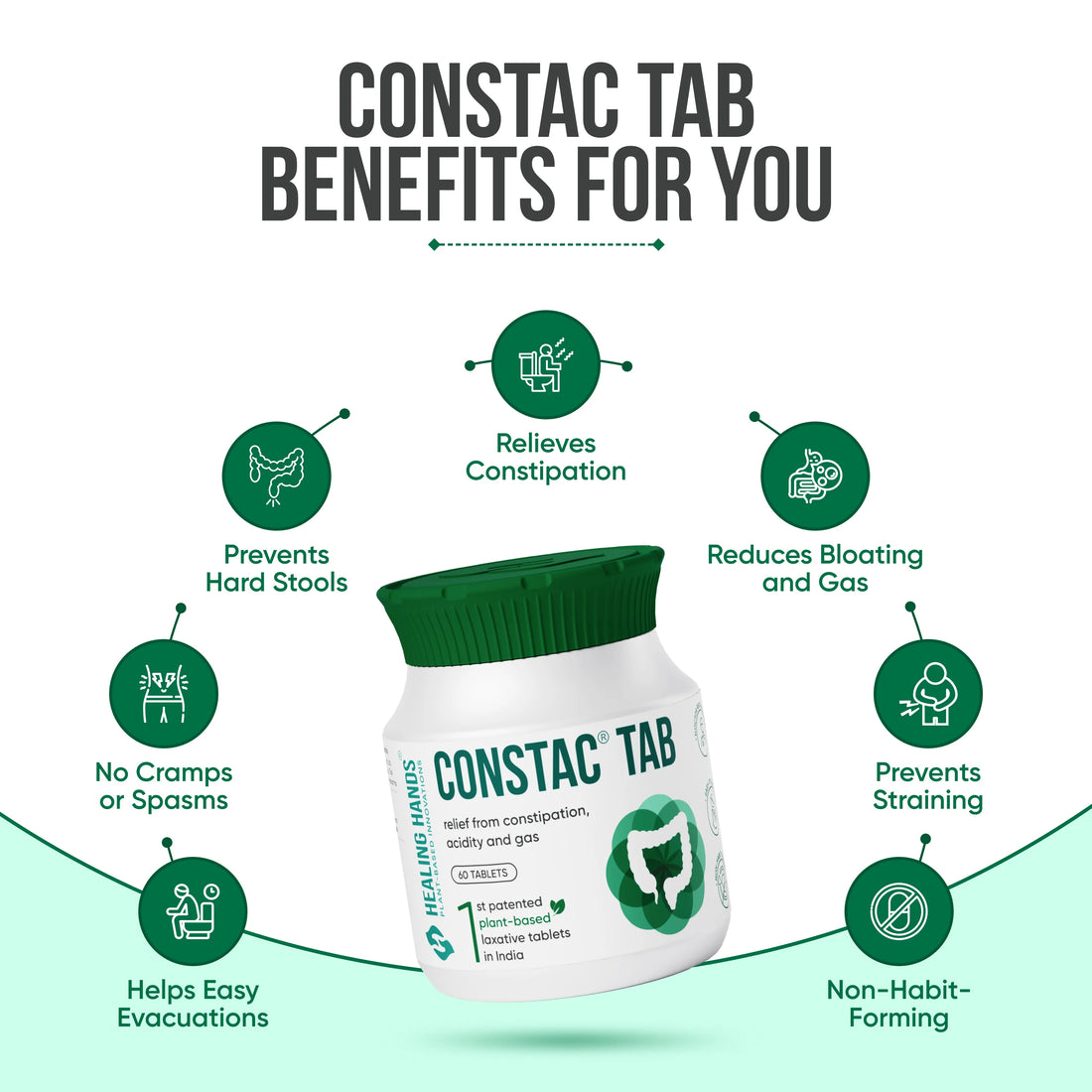
- For those experiencing constipation, Healing Hands Constipation Care Range offers gentle stool softeners and fibre supplements that support regular, comfortable bowel habits, thereby reducing the risk.
Conclusion
Piles symptoms can cause significant discomfort, but recognising them early and adopting preventive measures helps avoid complications.
Common symptoms of piles include bleeding, pain, itching, and noticeable swelling around the anus. If these symptoms don’t improve with home remedies or begin to worsen, it’s important to consult a doctor. Prompt medical attention ensures proper treatment and helps rule out more serious conditions. Early intervention prevents complications and improves your quality of life.
For effective treatment, Healing Hands offers PiloKit range, a combination of PiloSpray, PiloTab, and ConsteTab. These are designed to reduce pain, swelling, and promote healing safely using our patented plant-based approach. Combined with the right lifestyle changes, these medications provide comprehensive support for effective piles management and long-term relief.