Anal Fistula: Symptoms, Surgery and Post-Surgical Healing with Plant-Based Fistula Medicine
An anal fistula is a small infected tunnel that forms between the anal canal and the skin around the anus. It very rarely heals on its own — the only reliable cure for a persistent fistula is surgery. The right anal fistula medicine does not replace that surgery; it supports you before the operation and speeds recovery afterwards. This guide explains fistula symptoms, modern anal fistula treatment, and how the plant-based FistulaKit aids post-surgical wound healing.
What is an Anal Fistula?
An anal fistula (called Bhagandar or fistula-in-ano in India) is an abnormal, epithelialised channel connecting the inside of the anal canal to the skin near the anus. It usually begins when one of the small anal glands becomes infected and forms an anorectal abscess. When that abscess fails to heal completely, it leaves behind a persistent tract with two openings - an internal opening inside the anal canal and an external opening on the skin of the buttock.
Fistula disease is common in India and affects men roughly twice as often as women, most often between the ages of 20 and 60. Because the tract stays infected, it repeatedly discharges pus or blood, giving the classic cycle of pain, drainage, temporary relief and pain again. Understanding what a fistula is — and that it will not close by itself — is the first step toward the right fistula treatment.
Anal Fistula Symptoms
Anal fistula symptoms tend to build up gradually. Recognising them early helps you seek timely fistula treatment and avoid complications. The most common symptoms include:
- Throbbing anal pain that worsens on sitting or during a bowel movement
- Swelling, tenderness, redness or itching around the anus
- Discharge of pus, blood or debris — often foul-smelling — that may stain underwear
- Recurring perianal abscesses that keep coming back
- Skin irritation from constant moisture near the external opening
- Fever or feeling unwell if the infection spreads
If you notice fever above 101°F, unusual bleeding, or difficulty controlling bowel movements, see a proctologist promptly — these can signal a spreading infection or sphincter involvement that needs urgent care.
Fistula Causes and Types
Almost every anal fistula follows a preceding anorectal abscess from an infected anal gland. Other fistula causes include Crohn's disease and inflammatory bowel disease, tuberculosis (a notable factor in India), malignancy, previous anal surgery or injury, and chronic constipation with repeated straining.
Fistulas are classified by how the tract relates to the anal sphincter muscles, which determines the surgical approach:
- Intersphincteric fistula — the most common type (about 70% of cases); the tract runs between the internal and external sphincters and is generally simpler to treat with low continence risk.
- Transsphincteric fistula — crosses both sphincter muscles and needs careful surgical planning.
- Suprasphincteric fistula — takes a U-shaped path that loops above the sphincters; considered complex.
- Extrasphincteric fistula — bypasses the sphincters from the rectum, is complex and often linked to underlying disease.
- Superficial fistula — sits just under the perianal skin and is the simplest to manage.
Why Surgery Comes First in Anal Fistula Treatment
This is the single most important message for anyone searching for the best treatment for fistula: an established anal fistula almost never heals with medicine alone. The infected tract is lined with epithelium and will keep discharging until it is physically removed, closed or ablated. Delaying surgery in favour of Ayurvedic fistula treatment or home remedies alone allows the tract to branch, form new abscesses, and — in rare, long-standing cases — raises the risk of incontinence or even malignant change.
At Healing Hands Clinic, a certified Centre of Excellence for fistula care founded by Dr. Ashwin Porwal, more than 10,000 patients — including complex and recurrent cases — have been treated surgically. Modern, sphincter-saving techniques now make surgery precise, minimally invasive and quick to recover from. Plant-based fistula medicine has a genuine, evidence-backed role — but as a partner to surgery, not a substitute for it.
Modern Surgical Options for Anal Fistula
The goal of any modern anal fistula surgery is not only to clear the fistula but to save the sphincter muscle (preventing incontinence) and prevent recurrence. The technique is matched to the fistula's type and complexity:
- Fistulectomy — complete excision of the tract; laser is used as an adjunct to protect the sphincter.
- Ksharsutra — an ancient Ayurvedic medicated-thread technique that debrides and drains the tract over several sittings.
- VAAFT (Video-Assisted Anal Fistula Treatment) — endoscopic, with no external wounds and precise location of the internal opening.
- LIFT (Ligation of Intersphincteric Fistula Tract) — accesses the tract between the muscles, preserving the sphincter.
- Fistula Plug — a bio-absorbable scaffold that the body gradually replaces with new tissue. • FiLaC (Fistula-tract Laser Closure) — laser energy collapses the tract with an excellent healing rate and no sphincter damage.
- DLPL (Distal Laser Proximal Ligation) — Dr. Porwal's own sphincter-saving innovation for complex high fistulas, with a remarkably low recurrence rate.
Whichever procedure is chosen, surgery leaves behind a healing wound in a moist, bacteria-rich area that is disturbed with every bowel movement. This is exactly where the right post-surgical fistula medicine makes a measurable difference.
Where Plant-Based Fistula Medicine Fits In
Think of anal fistula medicine as playing two supporting roles around your surgery:
- Before surgery (symptom management and planning): While you plan your procedure and arrange dates, plant-based medicines help ease pain, burning, itching, discharge and constipation, and keep the perianal skin calmer.
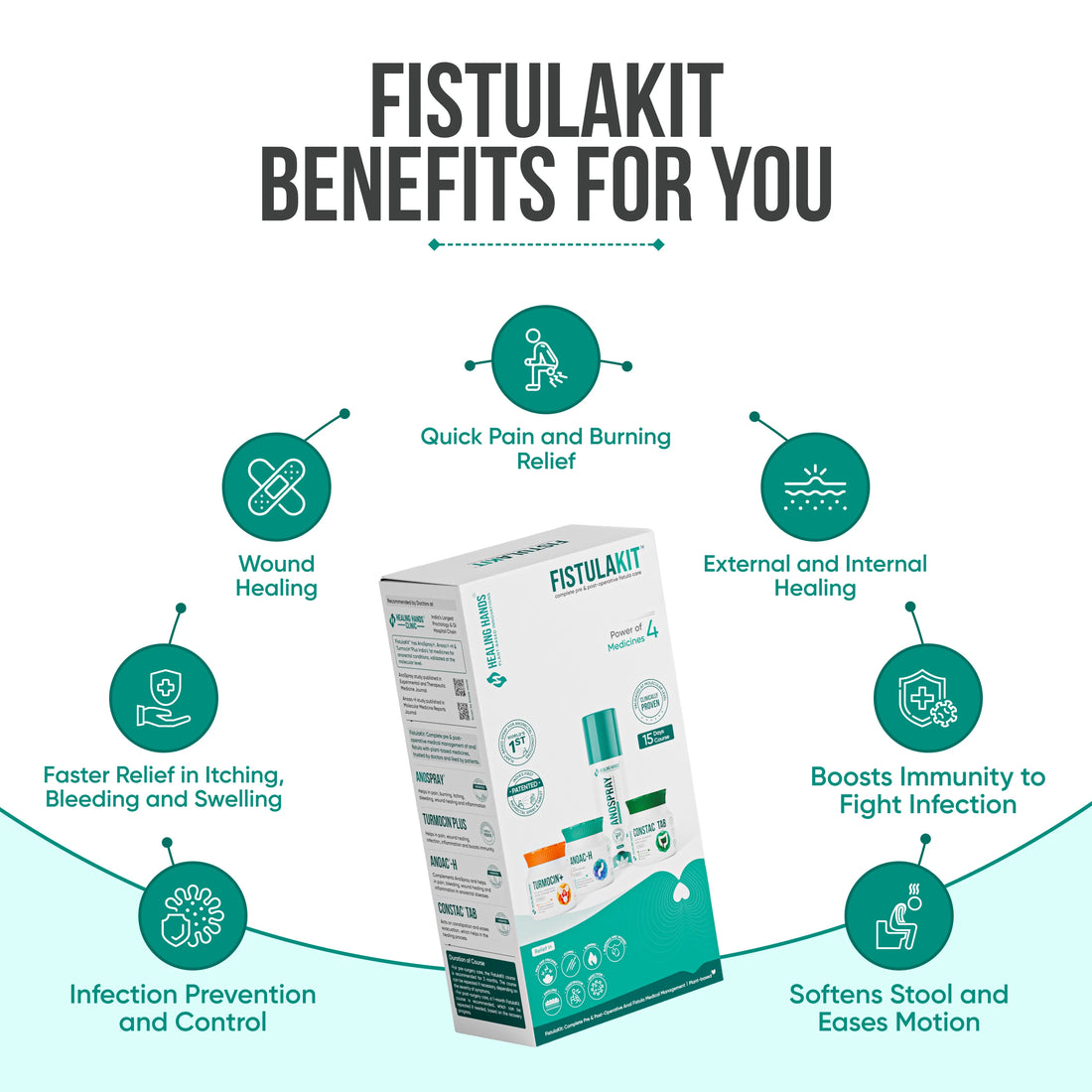
- After surgery (post-operative healing): This is the primary role. The medicines support fistula wound healing, reduce inflammation, control infection, ease pain and keep stools soft so the healing wound is not strained.
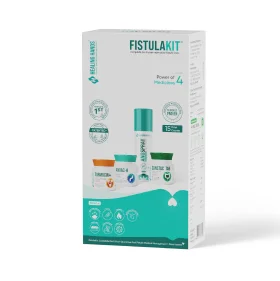
Healing Hands' answer to this need is FistulaKit — a combination of patented, plant-based, molecularly validated medicines developed at India's leading proctology and GI chain, and recommended for post-surgical anal fistula care.
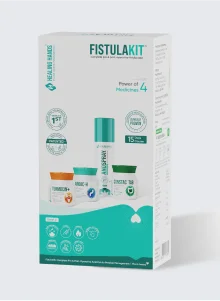
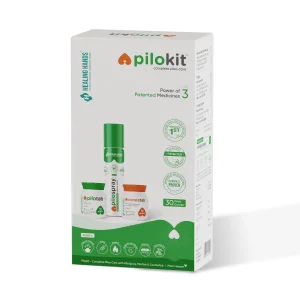
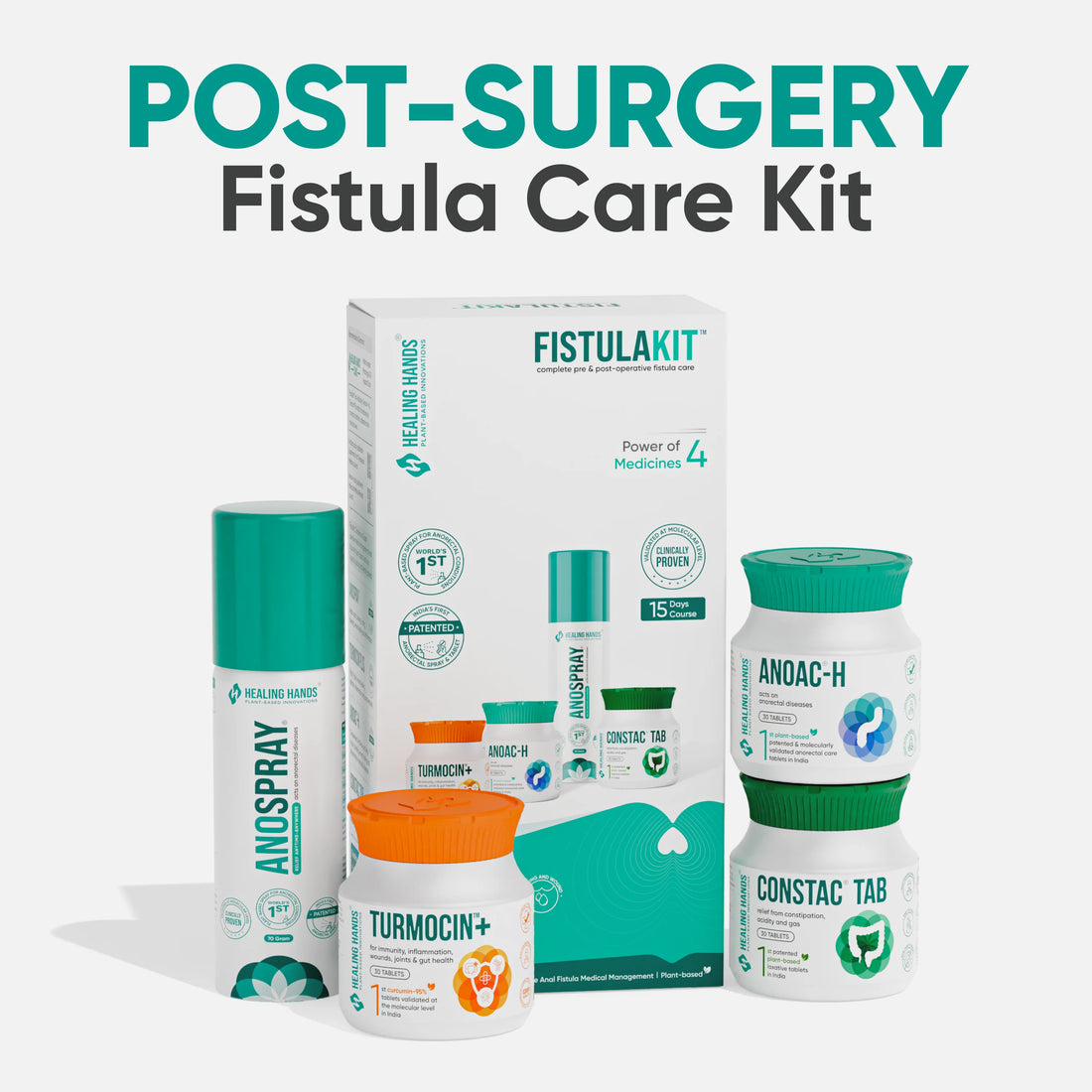
FistulaKit — Plant-Based Post-Surgery Fistula Care. A doctor-recommended combination of four plant-based medicines — AnoSpray, Anoac-H, ConstacTab and Turmocin Plus — designed to support healing after anal fistula surgery and to manage fistula symptoms while surgery is being planned.
Inside FistulaKit: How the Four Medicines Work
Each medicine in the kit targets a different part of recovery — external healing, internal healing, comfortable bowel movements, and deep anti-inflammatory support. Together they create an environment that helps a post-operative fistula wound heal cleanly.
1. AnoSpray — Touch-Free External Wound Care
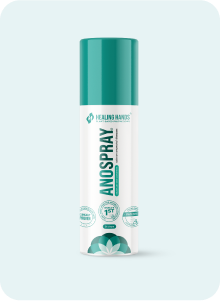
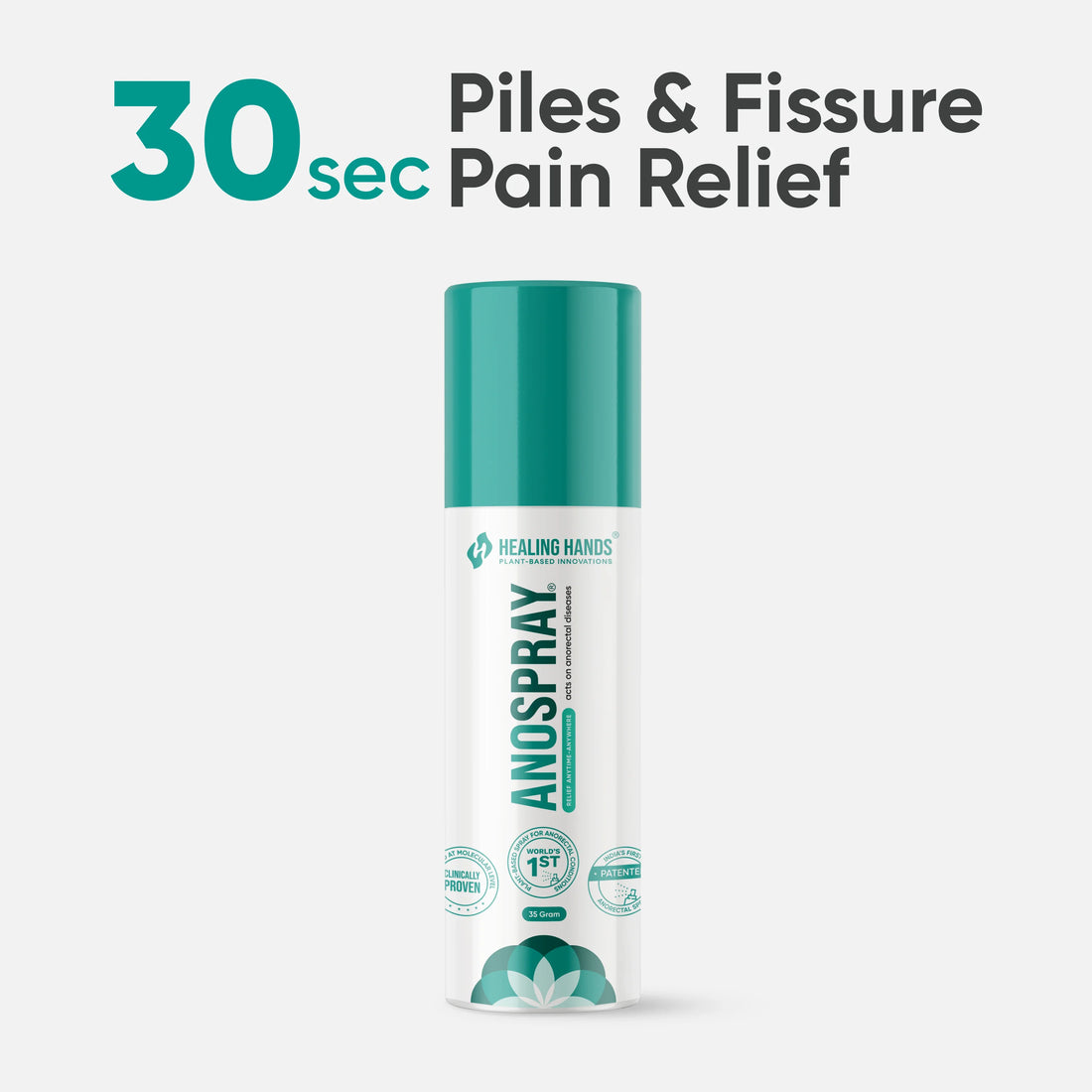
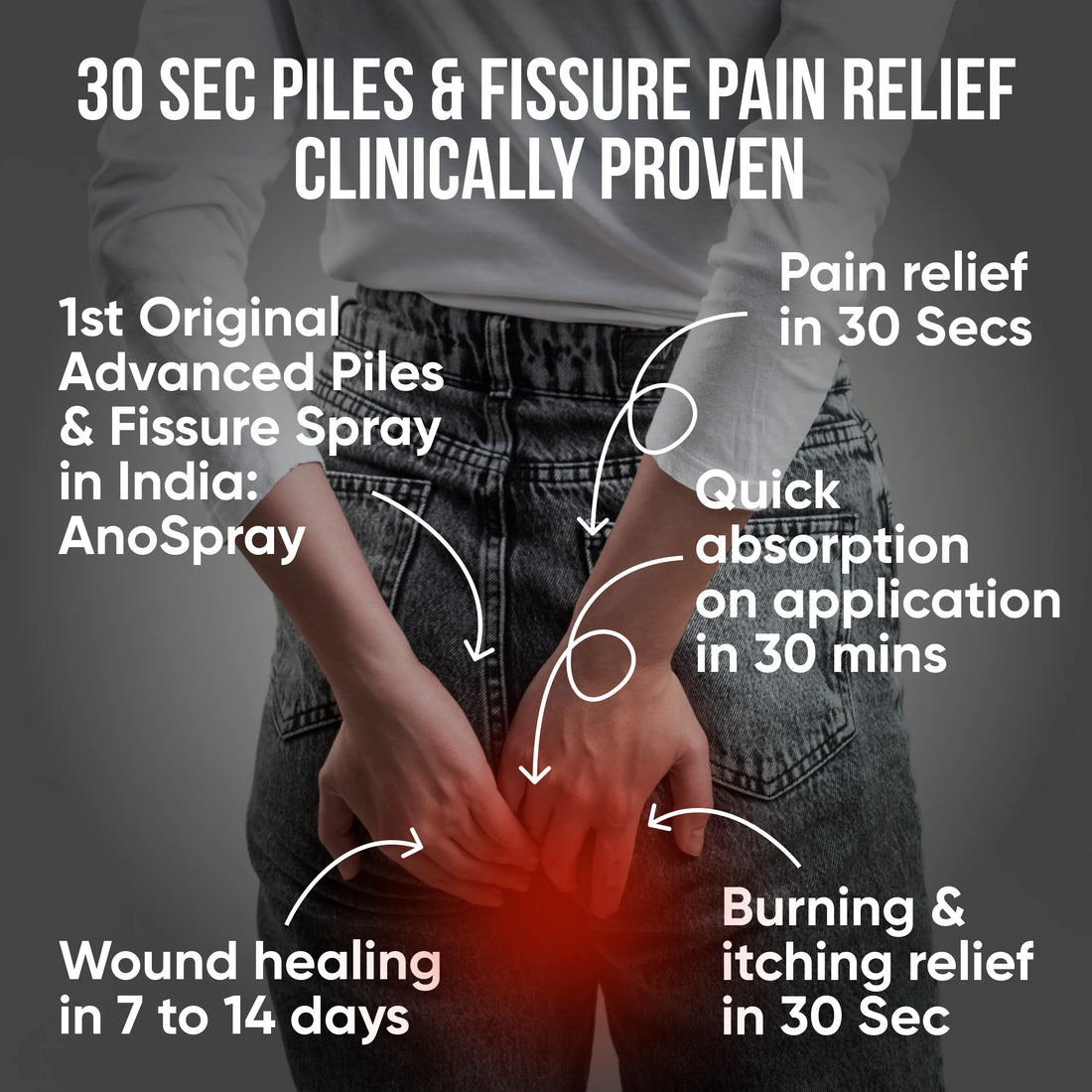
AnoSpray is a plant-based aerosol spray applied directly to the perianal area — a completely touch-free way to treat a tender post-surgical wound without pressure or risk of contamination. Its herbs include Lodhara (Symplocos racemosa), Daruharidra (Berberis aristata), Mocharas (Bombax ceiba), Kapur (Cinnamomum camphora), Pudina (Mentha piperita), Til oil (Sesamum indicum) and Kokum oil (Garcinia indica). Ayurvedically these act as Vrana Ropana (wound healing), Shothahara (anti-inflammatory), Raktastambhaka (controls bleeding), Vedanasthapana (pain relief) and Kandughna (relieves itching) — addressing pain, burning, discharge, swelling and infection at the wound surface.
2. Anoac-H — Internal Anti-Inflammatory Healing
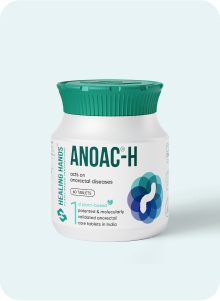
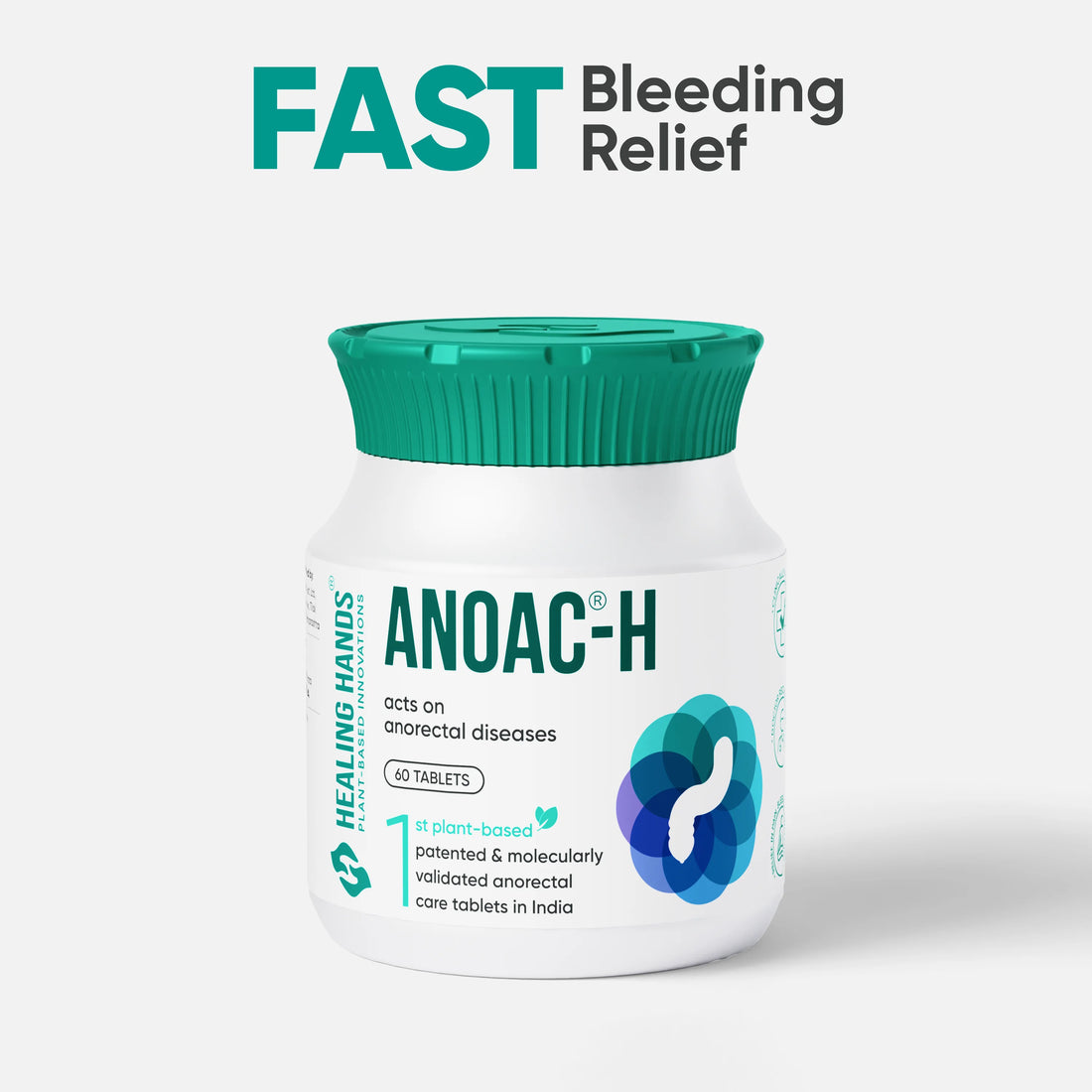
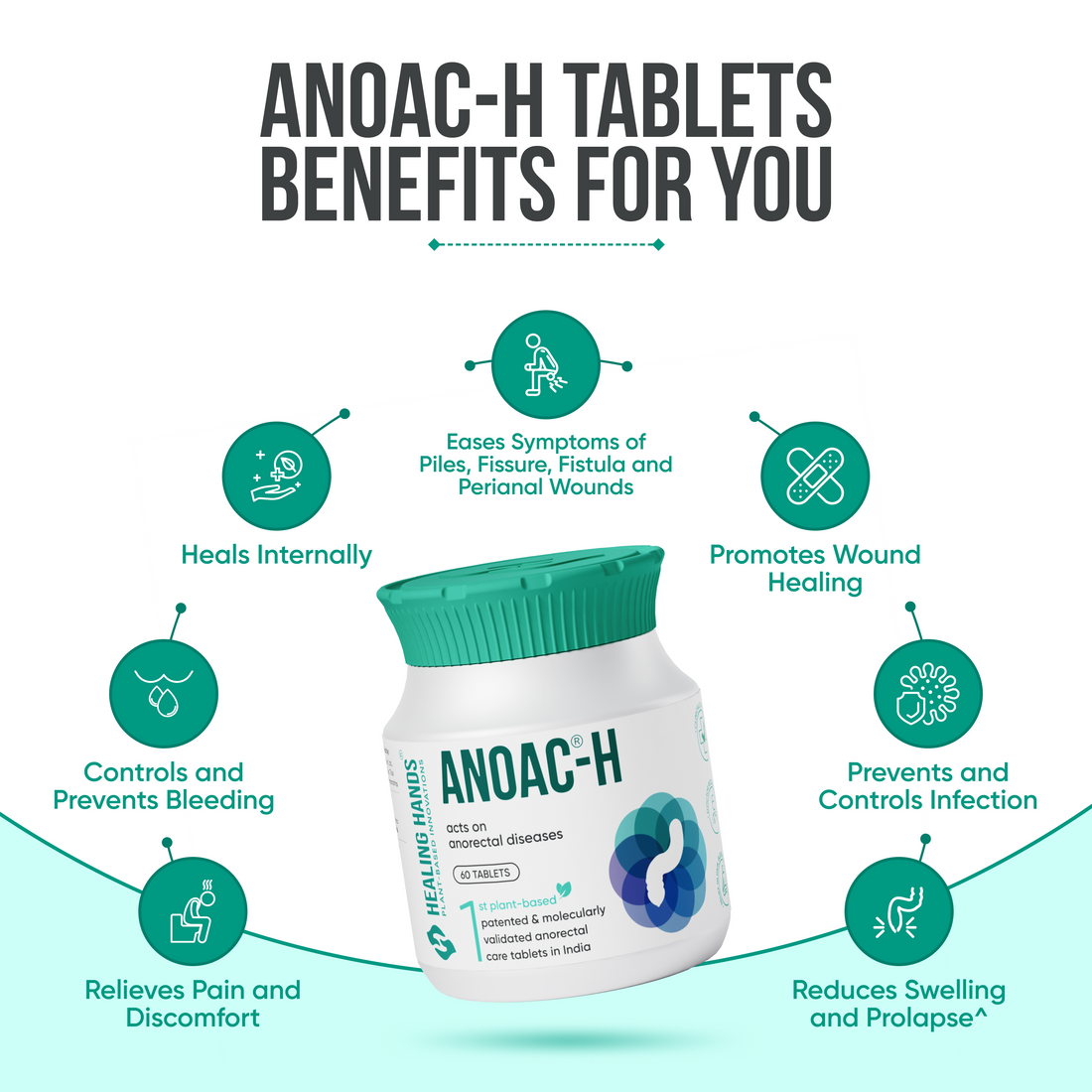
Anoac-H tablets work from the inside. The formulation combines Lajjalu (Mimosa pudica), Nagkesar (Mesua ferrea), Daruharidra (Berberis aristata) and Dugdhika (Euphorbia hirta) — traditionally used as Raktastambhak (haemostatic), Shothaghna (anti-inflammatory), Vranaropana (wound healing) and Kandughna (anti-itch). These herbs help reduce inflammation and support tissue healing, complementing AnoSpray's surface action.
3. ConstacTab — Soft, Strain-Free Stools
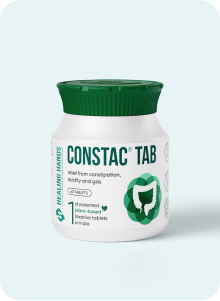
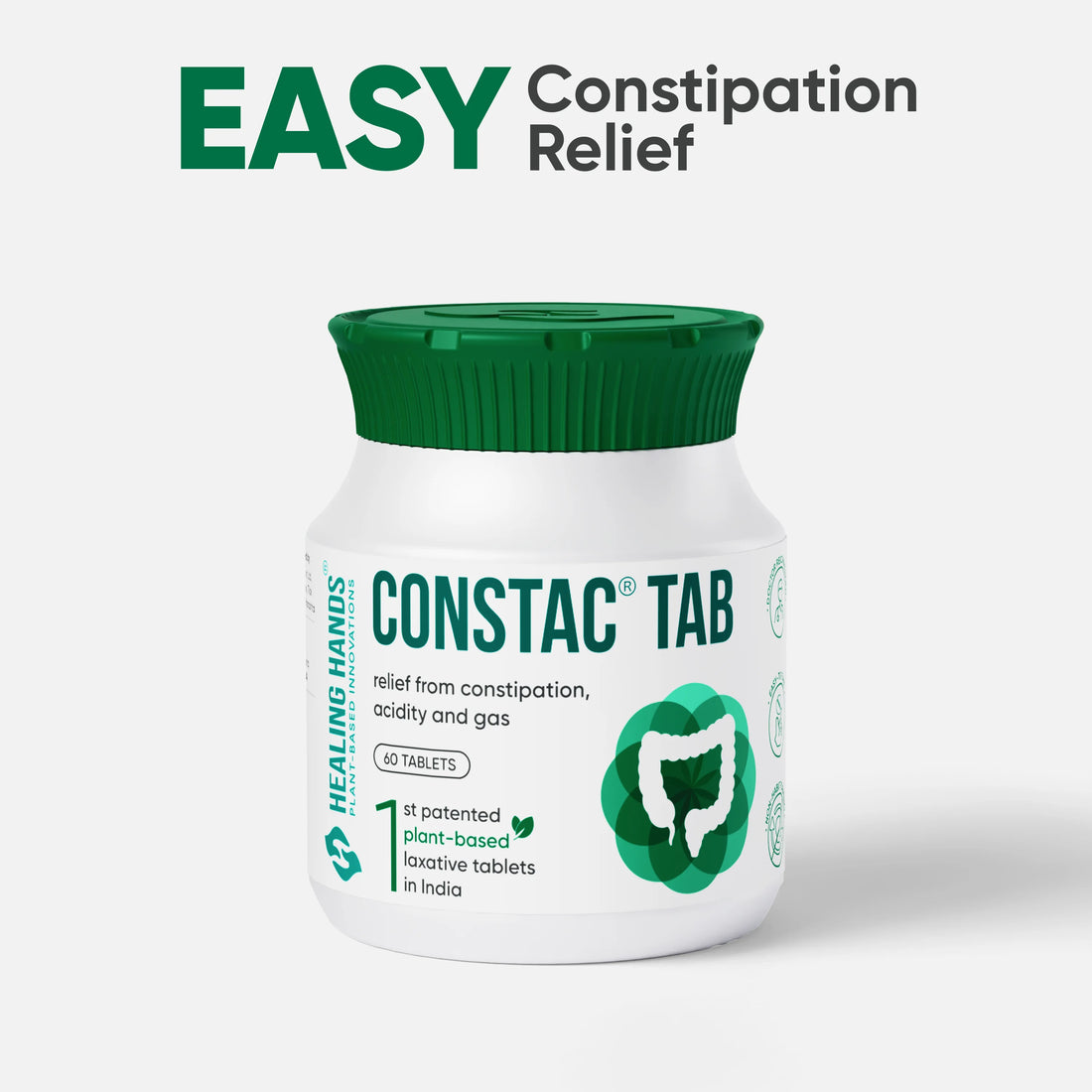
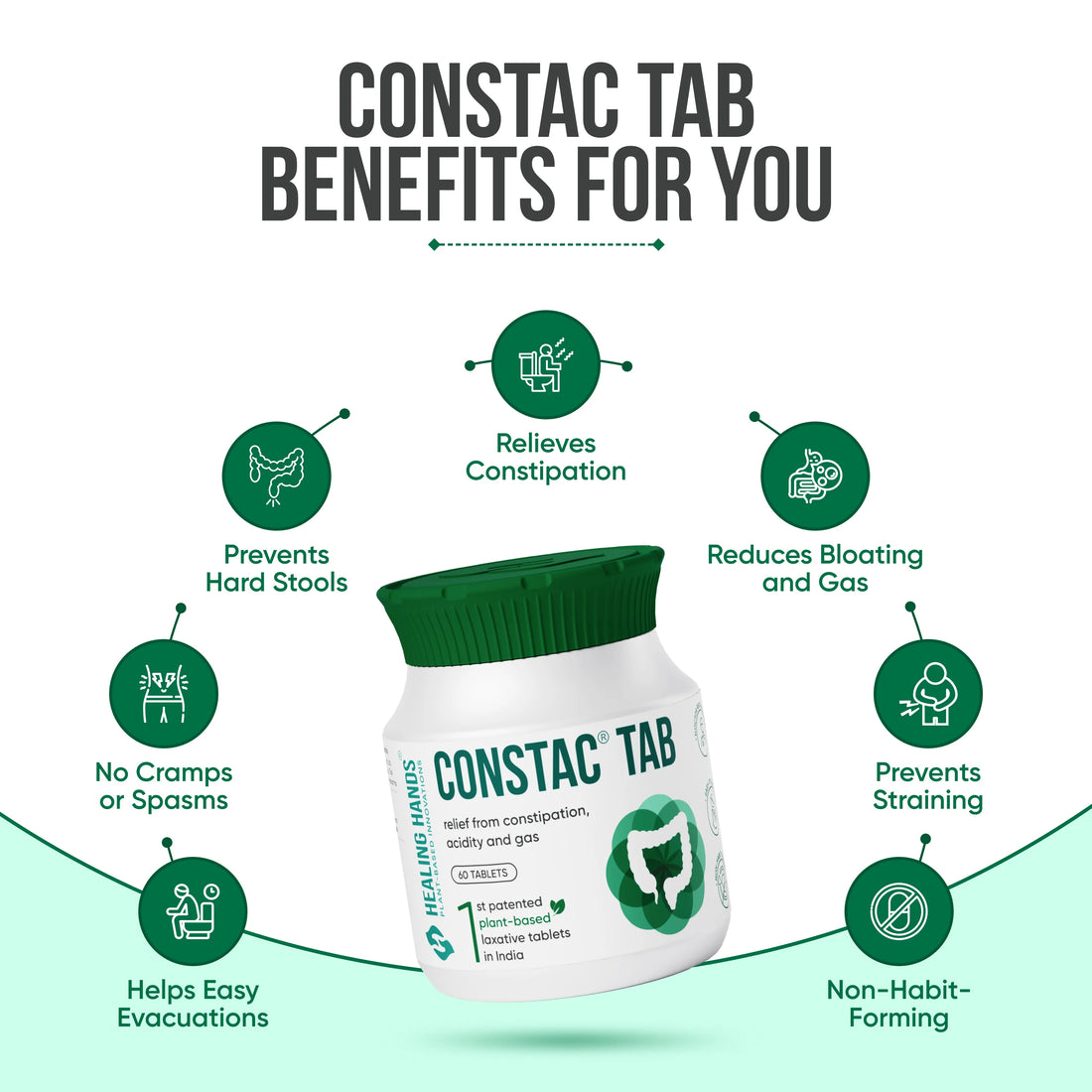
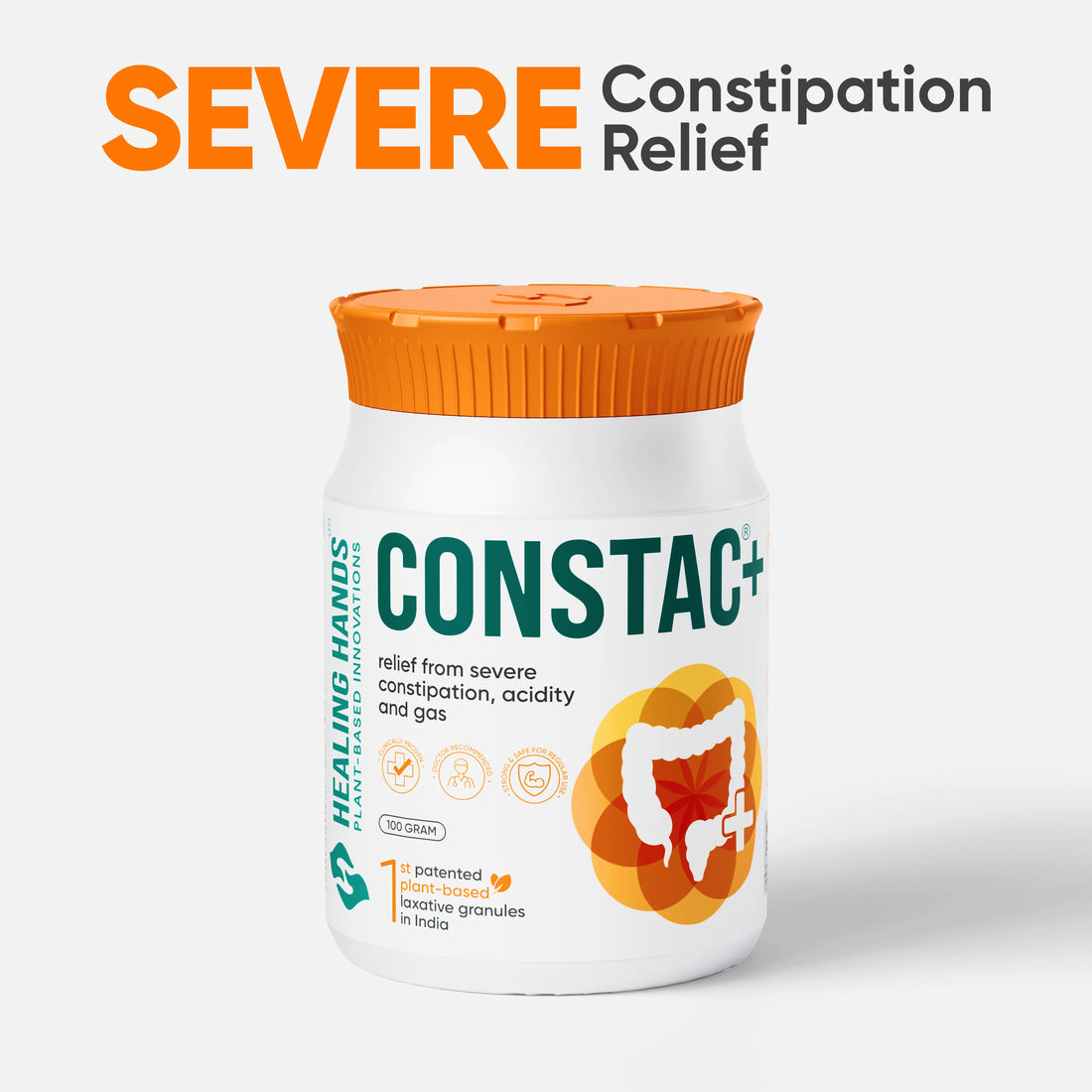
Straining during a bowel movement is one of the biggest threats to a healing fistula wound. ConstacTab keeps stools soft and bowel movements comfortable, so the surgical site is not repeatedly stressed. It blends Sonamukhi (Cassia angustifolia), Nishottar (Ipomoea turpethum), Haritaki and Balhirada (Terminalia chebula), Saindhav (rock salt) and Erand Tail (Ricinus communis) — classical Rechana and Virechana (gentle purgation) and Anulomana (easy evacuation) agents that relieve constipation without harsh cramping.
4. Turmocin Plus — Deep Curcumin-Powered Support
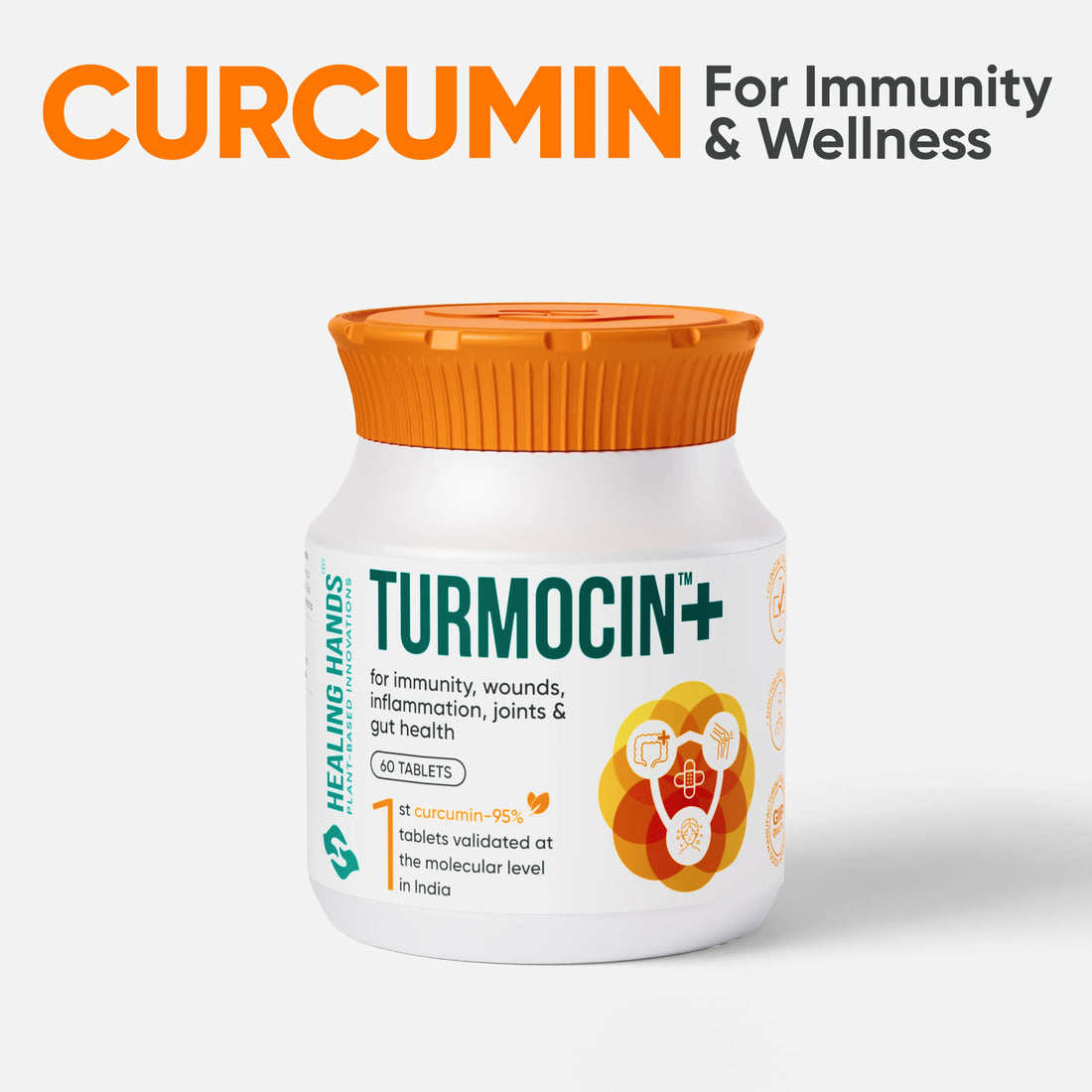
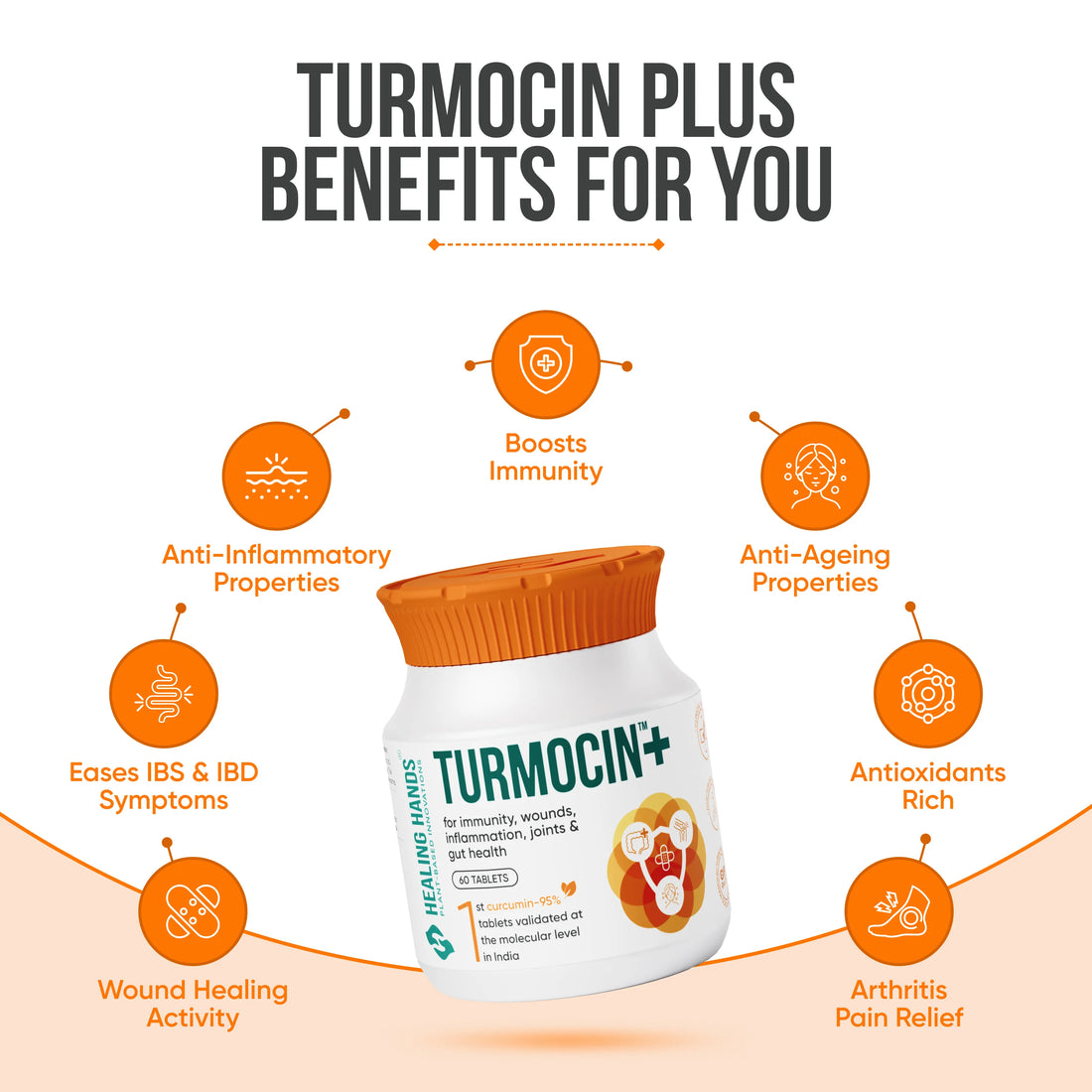
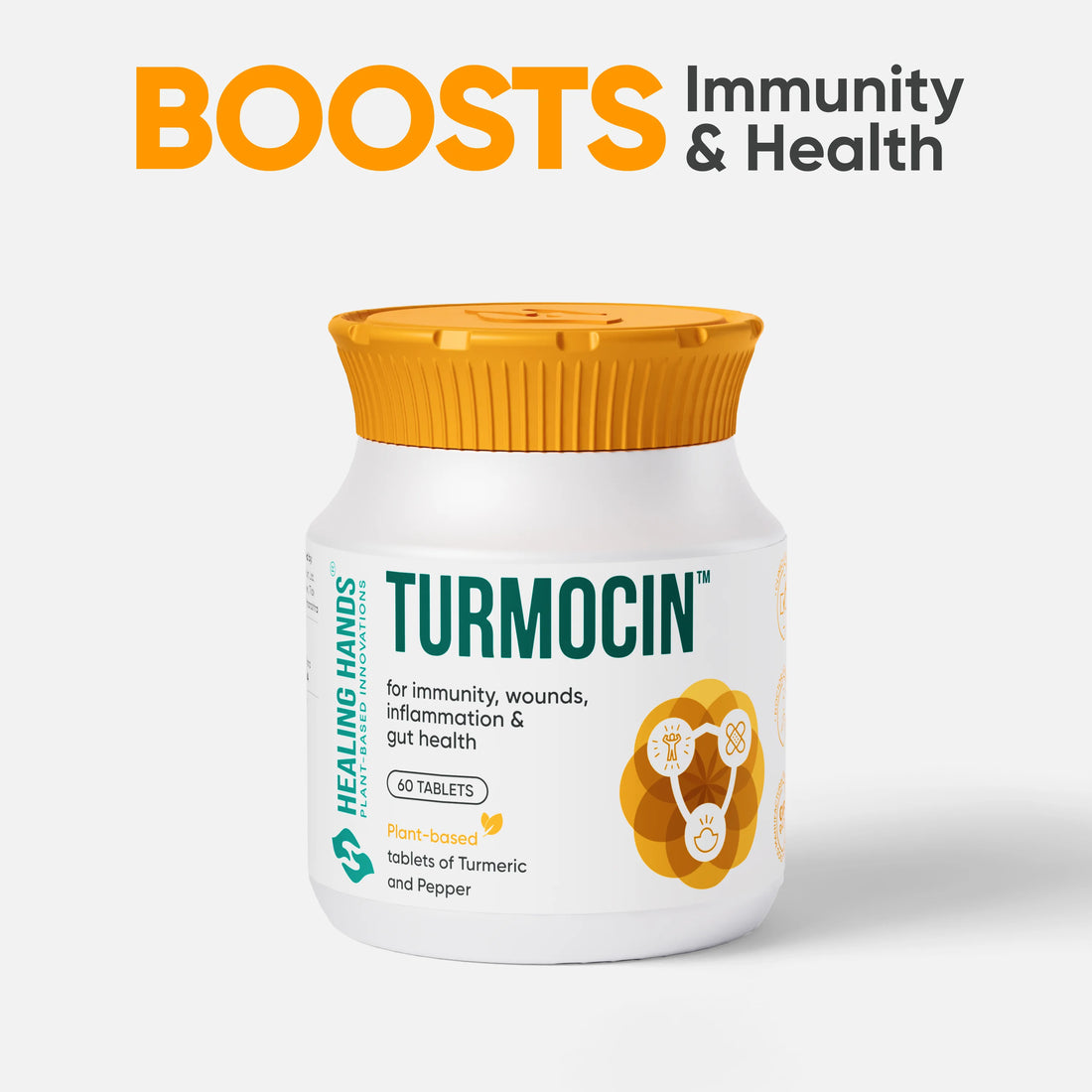
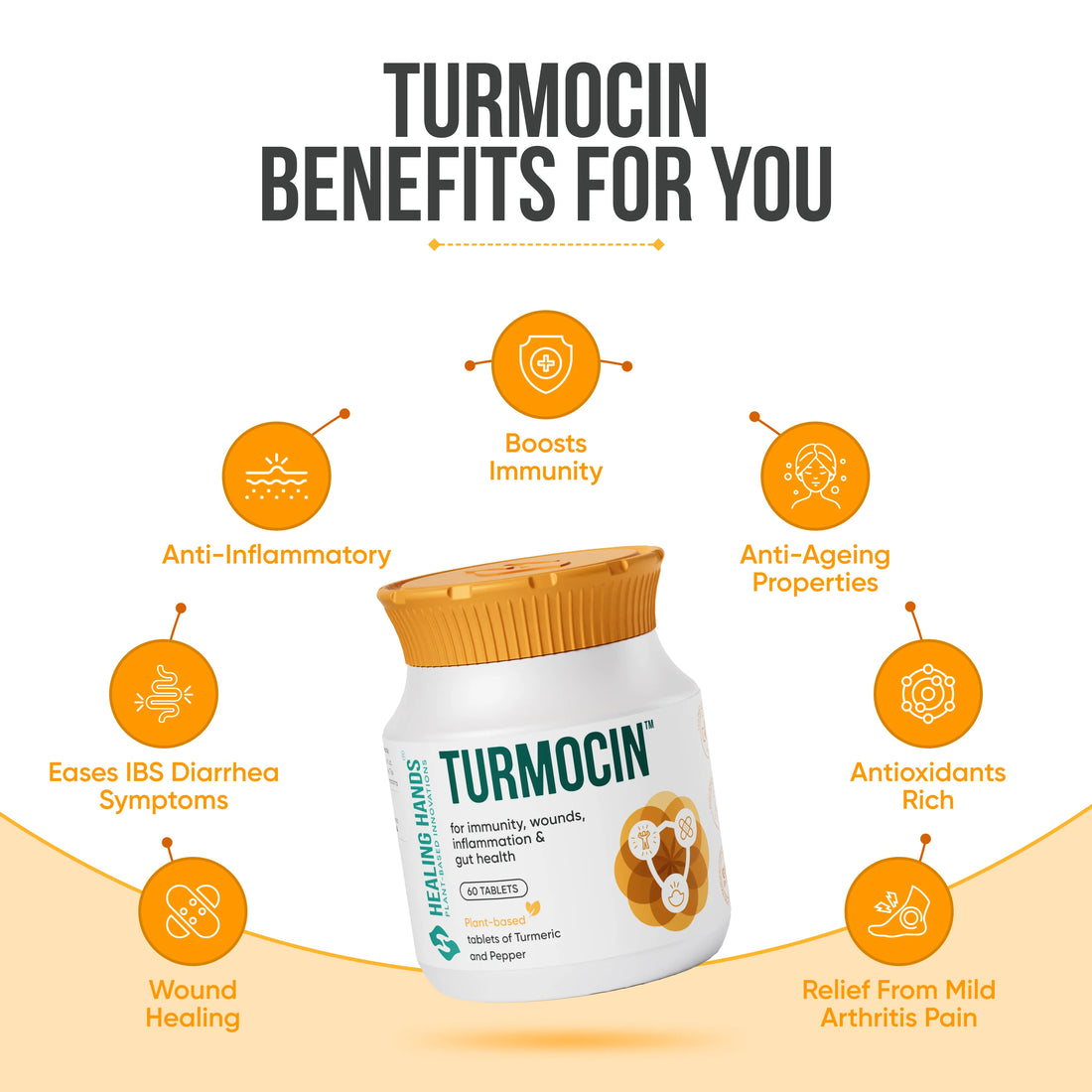
Turmocin Plus pairs Haridra (Curcuma longa, standardised to 95% curcumin) with Marich (Piper nigrum, piperine) for far better absorption. Curcumin is a well-studied natural Shothahara (anti-inflammatory), Vrana Ropana (wound-healing), Raktashodhaka (blood-purifying) and Krumighna (antimicrobial) agent, giving the kit an additional layer of systemic anti-inflammatory and wound-healing support during recovery.
In summary, the four medicines divide the work of recovery: AnoSpray handles external, touch-free wound healing and controls pain, itching, discharge and infection; Anoac-H provides internal anti-inflammatory and tissue-healing support; ConstacTab softens stool to prevent straining on the healing wound; and Turmocin Plus adds curcumin-based deep anti-inflammatory and antimicrobial support.
The Science Behind the Plant-Based Fistula Medicine
What sets these formulations apart from ordinary herbal remedies is that they have been studied at the molecular level, in collaboration with the National Centre for Cell Science (NCCS), India's leading cellular research institute.
AnoSpray was shown to suppress key pro-inflammatory mediators — the cytokine RANTES, the growth factor VEGF and the enzyme COX-2 — in macrophage and fibroblast cell models, without any toxic effect on the cells themselves. Reduced COX-2 activity means less prostaglandin-driven pain and inflammation, while lower RANTES and VEGF reduce inflammatory cell recruitment. The same suppression of RANTES and COX-2 was confirmed in human tissue samples treated with AnoSpray. (Published in Experimental and Therapeutic Medicine, 2022.)
Anoac-H was similarly found to downregulate RANTES, VEGF and IL-1β in laboratory cells and in human hemorrhoid and fistula tissue, again without affecting cell viability. Because the inflammation and elevated RANTES/VEGF seen in bleeding hemorrhoids closely mirror those seen in bleeding anal fistula tissue, these findings support Anoac-H's anti-inflammatory role in fistula recovery. (Published in Molecular Medicine Reports, 2021.)
Turmocin Plus has been validated in the same way, with findings especially relevant to fistula. In this study it suppressed the pro-angiogenic growth factor VEGF and reduced macrophage (immune cell) infiltration, while inhibiting the migration of RAW 264.7 immune cells without affecting their viability. Elevated VEGF and inflammation are seen in anal fistula, fissures, IBD/Crohn's disease and higher-grade hemorrhoids; importantly, Turmocin Plus lowered VEGF expression directly in human anal fistula tissue samples (confirmed by immunohistochemistry), supporting its role in reducing inflammation and aiding fistula and perineal-wound healing. (Published in the Journal of Natural Remedies, 2024.)
In plain terms: this fistula wound healing medicine is not just traditional wisdom — it is molecularly validated, plant-based, and produced under GMP standards. AnoSpray, Anoac-H and ConstacTab each hold Government of India patents.
Post-Surgery Recovery: Getting the Best Results
Medicines work best alongside good self-care. To support healing after anal fistula surgery:
- Take Sitz baths in warm water 2–3 times daily, especially after a bowel movement.
- Clean gently with warm water and pat dry — avoid harsh, dry toilet paper.
- Eat a high-fibre diet and drink plenty of water to keep stools soft.
- Wear loose, breathable cotton underwear to keep the area dry.
- Avoid straining and prolonged sitting; take gentle walks to aid circulation.
- Attend every follow-up — a fistula is a dynamic disease and early review prevents recurrence.
Most patients are back to normal activities within 5–7 days, with the wound healing fully over about 6–8 weeks. Used consistently through this window, FistulaKit's plant-based medicines help make that recovery calmer and cleaner.




 Piles, Fissure & Fistula Medicines
 Constipation Care
 Acidity Care
 IBS & Gut Health
 Healing with Turmeric




 10%
OFF
10%
OFF