Piles Medicine: The Complete Guide to Treating Early Grade Hemorrhoids Without Surgery
Piles, also known as hemorrhoids or bawaseer, affect tens of millions of Indians — yet most people delay treatment out of embarrassment. The good news: early and moderate piles are highly treatable with the right piles medicine, diet and lifestyle. This guide explains the symptoms, causes and grades of piles, the treatment options available in India and how Healing Hands' patented, plant-based range — led by PiloKit and PiloSpray — offers a clinically proven, non-surgical path to relief.
Quick answer
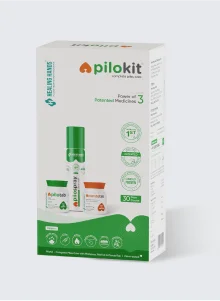
For early-stage (Grade 1–2) piles, the best medicine for piles is usually a combination that tackles all three problems at once — external pain and swelling, internal inflammation, and constipation. Healing Hands PiloKit does exactly this in a single kit (PiloSpray + PiloTab + ConsteTab) and is India's first patented, clinically studied, plant-based piles treatment kit.
What Are Piles (Hemorrhoids)?
Piles — known medically as hemorrhoids, as bawaseer in Hindi and as Arsha in Ayurveda — are swollen and inflamed veins in the lower rectum and around the anus. Everyone is born with this natural cushion of blood vessels; it only becomes a problem when the veins swell, enlarge and start causing symptoms such as bleeding, itching or pain.
There are two main types of piles, based on where they form. Internal hemorrhoids develop higher up inside the anal canal, are usually painless, and tend to bleed during or after passing stool. External hemorrhoids form under the skin around the anus, where there are far more pain-sensing nerves, so they typically cause itching, burning, swelling and pain. People often confuse piles with two related anorectal conditions — anal fissures (a tear in the lining of the anus) and fistula (an abnormal tunnel near the anus). They are different problems, but they share symptoms and risk factors, which is why clinics in India often treat them together.
- 40M+ People in India are estimated to live with piles
- ~1M New piles cases reported in India each year
- Under 40: The most-affected age group in many Indian studies
Types and Grades of Piles
Internal piles are graded by how far they prolapse (bulge outwards). Knowing the grade matters because it guides whether piles medicine alone is likely to work or whether a procedure may eventually be needed.
- Grade 1: May bleed but do not protrude outside the anus.
- Grade 2: Protrude while passing stool, but slide back in on their own.
- Grade 3: Protrude and must be pushed back in by hand.
- Grade 4: Permanently prolapsed and cannot be pushed back.
Grade 1 and 2 hemorrhoids respond best to medicines and lifestyle changes. Larger or prolapsed Grade 3–4 piles often need a procedure, although medicines still play a valuable supporting role in reducing symptoms and inflammation.
Common Symptoms of Piles
The symptoms depend on the type of piles, but the most common piles symptoms include:
- Bright red bleeding during or after a bowel movement — on the toilet paper, in the bowl, or streaking the stool.
- Itching, burning or irritation around the anus.
- A lump or swelling near the anus, which may be tender.
- Pain, especially with external piles or when a clot forms (a "thrombosed" pile that can look purple or blue and is acutely painful).
- Mucus discharge and a feeling of incomplete emptying after passing stool.
When you must see a doctor
Do not assume that bleeding is "just piles." See a doctor promptly if you have rectal bleeding for the first time, bleeding that is heavy or persistent, dark blood or blood mixed into the stool, symptoms that do not improve within about a week, or unexplained weight loss or a change in bowel habits. Piles are a common cause of rectal bleeding — but so are other conditions, and a quick examination can rule out anything serious. Doctors at Healing Hands Clinic, the largest piles hospital chain in India, are available for consultation at a centre located near you. You can also contact us through WhatsApp or by phone at 8888188884 for a consultation.
What Causes Piles?
Piles develop when there is increased pressure on the veins of the lower rectum and anus. Indian studies point to a familiar — and largely controllable — set of piles causes and risk factors:
- Chronic constipation and straining while passing stool
- A low-fibre diet heavy on fried, spicy and fast food
- Not drinking enough water
- Prolonged sitting on the toilet (often worsened by scrolling on the phone)
- Long periods of sitting or long-distance travel
- Family history, being overweight, and increased abdominal girth
- Pregnancy, due to added pressure on the pelvic veins
- Stress, smoking and chronic cough
The encouraging takeaway is that most of these factors are within your control — which is why piles treatment that fixes constipation and toilet habits is just as important as the medicine itself.
How are Piles Treated in India? Medicine vs Procedures
India is unusual in that people genuinely choose between three different treatment worlds. The right choice depends on the grade, symptom severity, cost, recovery time and personal preference.
- Lifestyle and medical management: For early-stage (Grade 1–2) piles, a high-fibre diet, fluids, sitz baths and topical or oral piles medicine are often enough.
- Ayurvedic and plant-based treatment: Ayurveda treats piles (Arsha) as a problem rooted in poor digestion and lifestyle. Modern, scientifically validated plant-based formulations now bridge traditional herbs with clinical evidence.
- Modern procedures: For advanced or persistent piles, options include rubber band ligation, sclerotherapy, laser hemorrhoidopexy, stapler surgery (MIPH) and surgical hemorrhoidectomy — typically reserved for Grade 3–4 disease.
A “medicine-first” approach is a highly effective starting point for most people with early-to-moderate piles, offering a non-invasive way to manage the condition. Early piles treatment with medicines can reduce symptoms, limit inflammation, and support tissue healing—which can effectively manage the condition and potentially reduce the need for more advanced surgical interventions.
Choosing the Best Medicine for Piles
People searching for the best medicine for piles usually come across three categories. It helps to be clear-eyed about what each one does:
- Piles creams or piles ointments (often with local anaesthetics or steroids) ease pain and itching, but they relieve symptoms temporarily, and the discomfort can return once you stop. Most should not be used for more than about 5–7 days without medical advice.
- Oral "vein" (venotonic) tablets can ease bleeding and improve vein tone, and typically take about 6–7 days to show full effect, so the course should be completed.
- Ayurvedic piles tablets and sprays are popular in India for their gentle, prolonged-use safety profile — but quality and evidence vary widely.
This is where Healing Hands stands apart. Rather than relying on a single piles cream or tablet, we offer PiloKit—a complete, patented, plant-based Ayurvedic medicine kit designed to treat the triad of piles symptoms: pain, bleeding, and constipation. The Healing Hands PiloKit is backed by a Government of India-awarded patent, a peer-reviewed clinical study published in the Journal of Herbal Medicine, and molecular validation conducted at the National Centre for Cell Science. Be cautious of any product promising a guaranteed permanent "cure"; the realistic goal is strong symptom control plus lifestyle change to prevent recurrence.
PiloKit: India's First Patented Plant-Based Piles Treatment Kit
Healing Hands PiloKit is India's first patented, plant-based complete piles treatment kit, combining the principles of Ayurveda with modern scientific research and clinical validation. Instead of treating just one symptom, it brings together three patented medicines so that internal piles, external piles and constipation are all addressed at once:
PiloSpray (Patent No. 423811) for external relief, PiloTab (Patent No. 436571) for internal healing, and ConsteTab (Patent No. 375497) for constipation relief. PiloKit is recommended for external and internal Grade I and II hemorrhoids, bleeding piles, piles with constipation, piles mass and swelling, and symptoms such as pain, pricking, burning and itching — and as a first line of treatment alongside medical advice for higher grades.
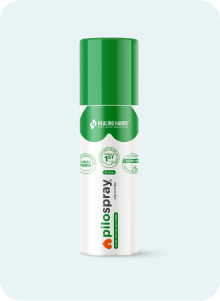
PiloSpray — The World's First Touch-Free Piles Spray
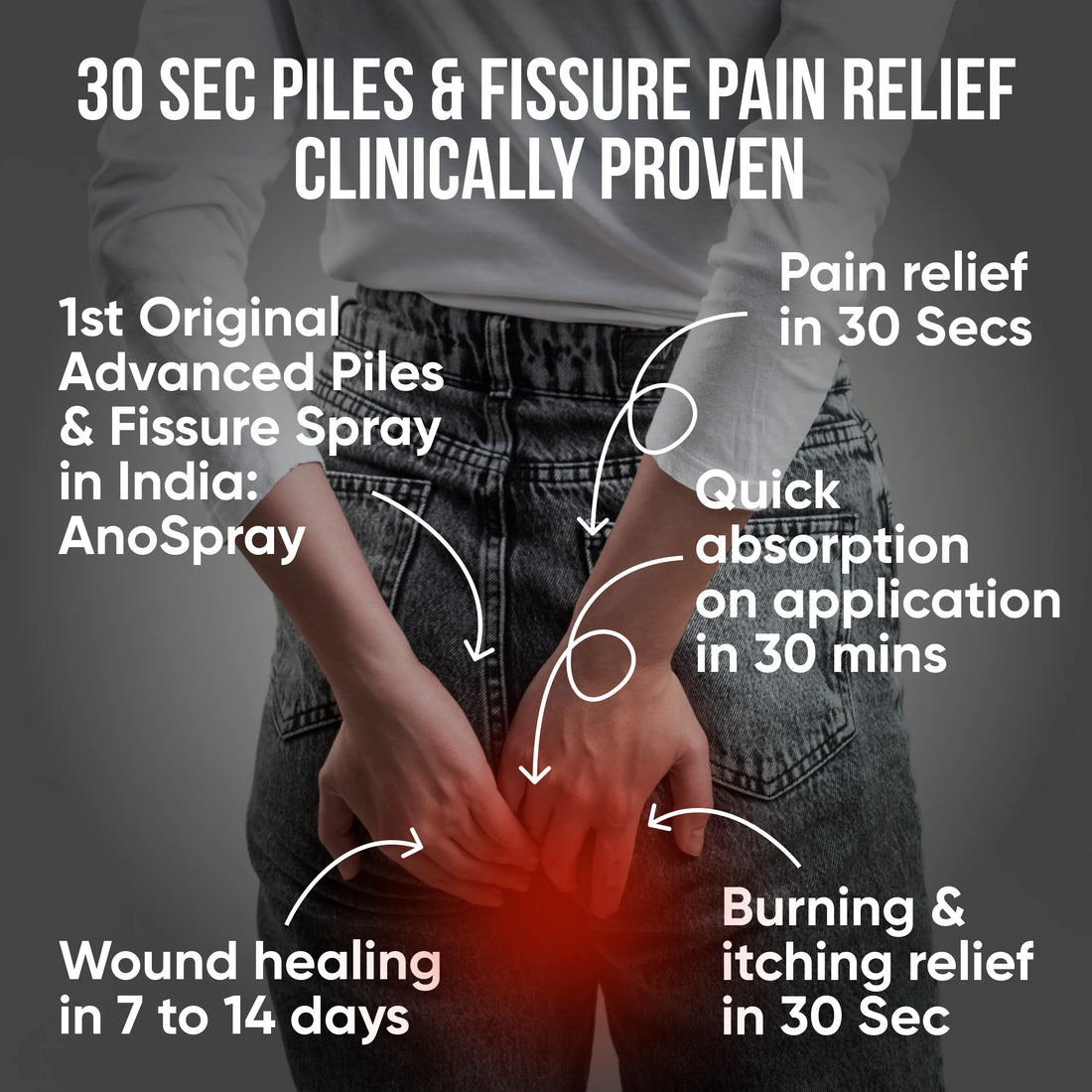
Traditional creams require manual application, which can be unhygienic and risk further irritation. PiloSpray uses an advanced touch-free aerosol that is absorbed quickly in the anal region for fast, hygienic relief. Its plant actives include Til oil (Sesamum indicum), Daruhaldi (Berberis aristata), Lodhra (Symplocos racemosa), Mocharas (Bombax ceiba), Kapur (camphor), Pudina (Mentha piperita) and Kokam oil (Garcinia indica). Together, they deliver analgesic and anaesthetic action for piles pain and burning, hemostatic action to help control piles bleeding, anti-inflammatory action to reduce swelling, and antiseptic protection that supports wound healing.
PiloTab — Tablets for Internal Piles Healing
PiloTab is an oral tablet that works from the inside to improve venous tone and reduce internal rectal inflammation. It combines Lajjalu (Mimosa pudica), Dugdhika (Euphorbia hirta), Nagkesar (Mesua ferrea) and Daruhaldi (Berberis aristata) — herbs recognised for hemostatic, anti-inflammatory and wound-healing properties. PiloTab supports piles-mass and swelling reduction, helps control bleeding, and relieves pain as part of internal healing.
ConsteTab — Gentle Relief from the Constipation that Causes Piles
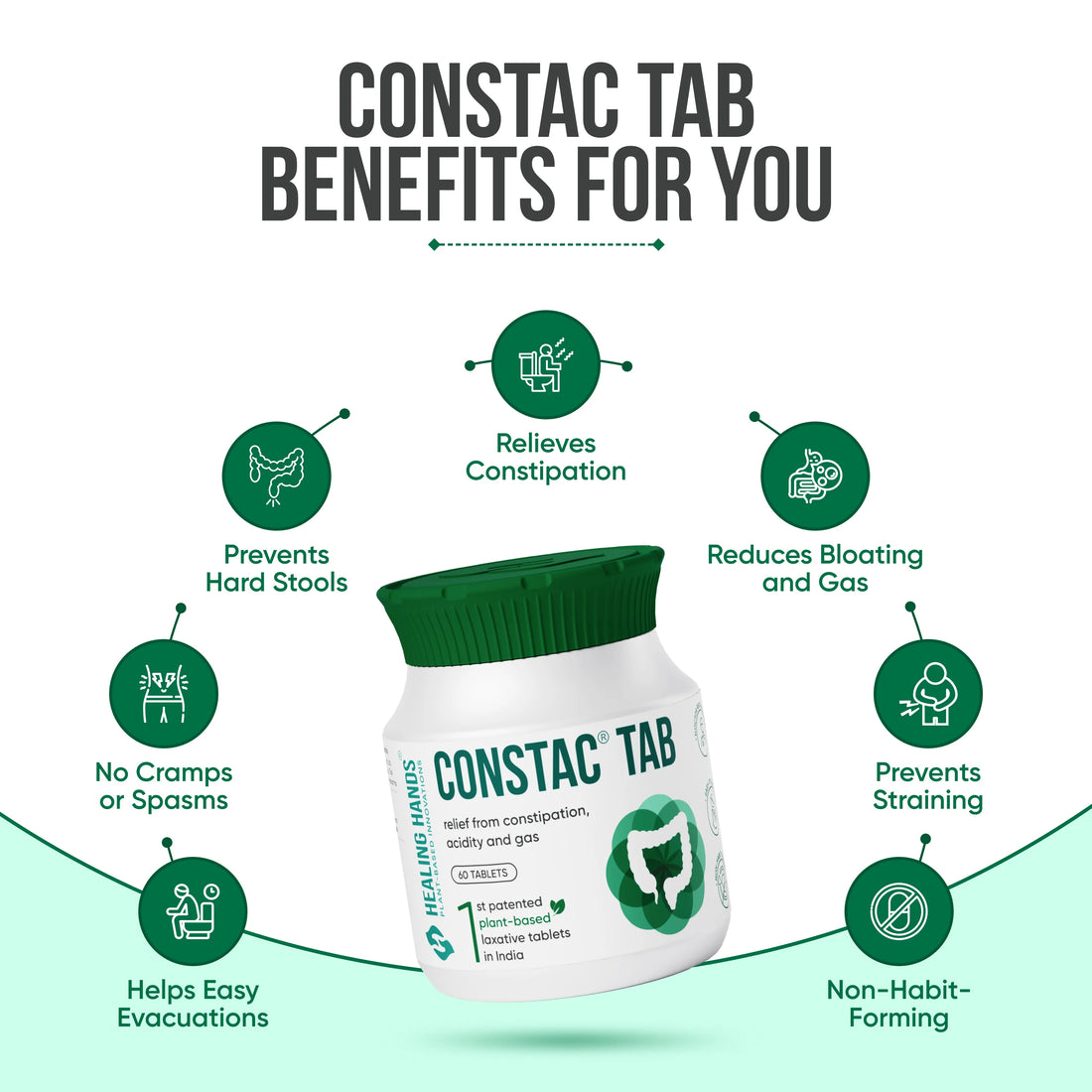
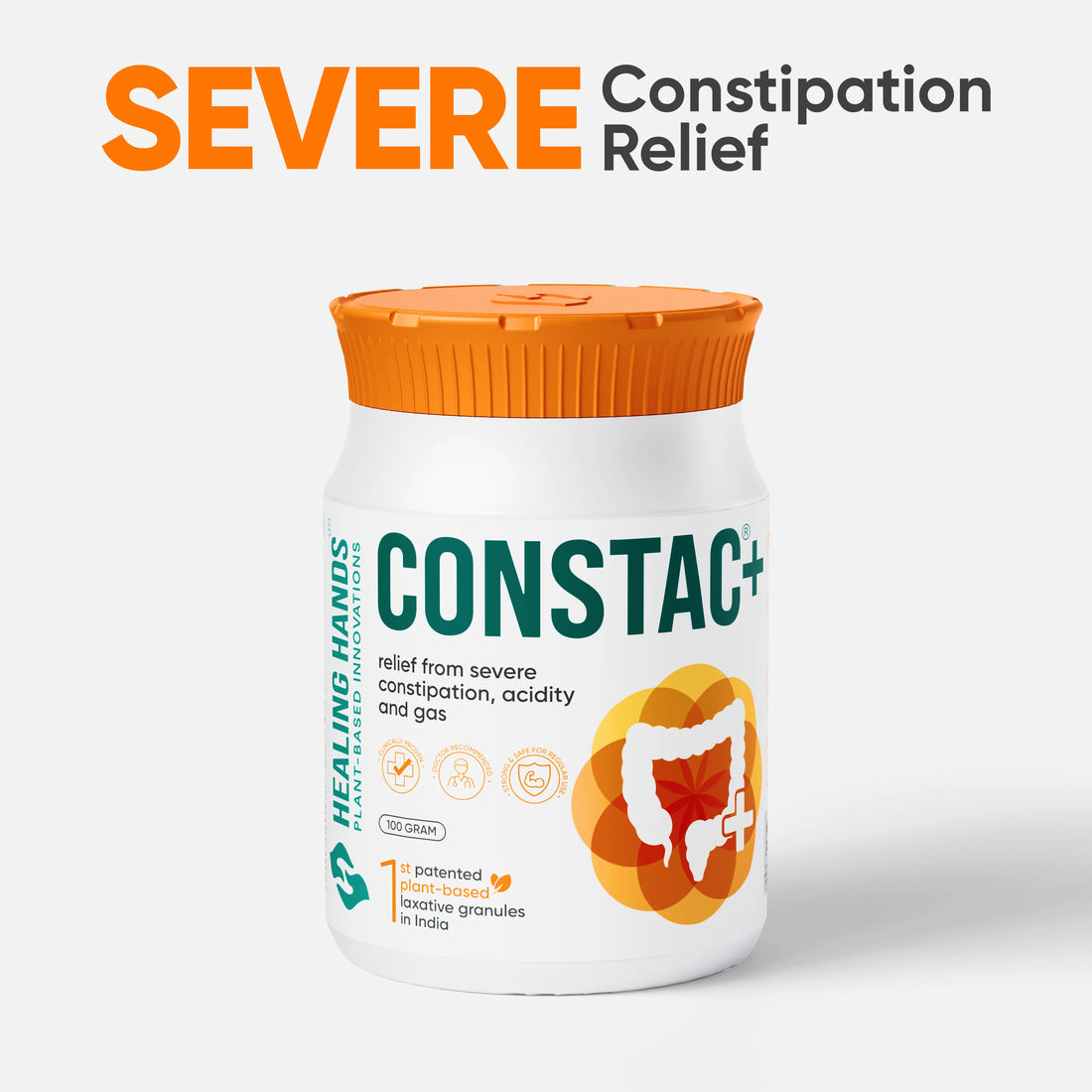
Effective piles treatment is impossible without managing stool consistency, because straining damages already-inflamed tissue. ConsteTab is a plant-based laxative made with Sonamukhi (senna / Cassia angustifolia), Nishottar (Ipomoea turpethum), Haritaki and Balhirada (Terminalia chebula), Saindhav (rock salt) and Erand tail (castor oil). It softens stool and promotes a smooth, strain-free bowel movement — making it an ideal medicine for piles and constipation together.
The Science Behind PiloKit: Clinical and Molecular Validation
What truly separates Healing Hands from generic herbal remedies is published, peer-reviewed evidence. This is the kind of validation that both informed patients and doctors look for.
Clinical study: PiloKit vs standard treatment vs placebo
A prospective, open-label clinical study published in the Journal of Herbal Medicine (2026) evaluated PiloKit in 87 patients with hemorrhoids, anal fissures or perineal wounds, across three groups: placebo (diet + Isabgol + exercise), regular treatment (anorectal cream + Daflon + Isabgol) and PiloKit. Over 8 weeks, the PiloKit group showed significant improvement across all symptoms from baseline — pain, itching, bleeding, constipation, erythema and oedema — while the placebo group showed no significant change. Crucially, no treatment-related adverse events were reported.
The size of the improvement is what underpins Healing Hands' "3X faster" message: in the study, PiloKit reduced pain by about 56%, itching by 68%, bleeding by 51%, constipation by 49%, redness (erythema) by 82% and swelling (oedema) by 82% over 8 weeks — substantially greater reductions than standard treatment (for example, around 23% for pain and 18% for bleeding). The authors concluded that PiloKit is a safe, non-surgical and effective option for improving comfort and quality of life in anorectal disorders, while noting — as good research should — that larger randomised trials are needed to confirm the findings.
Molecular validation: how the medicines work at the cellular level
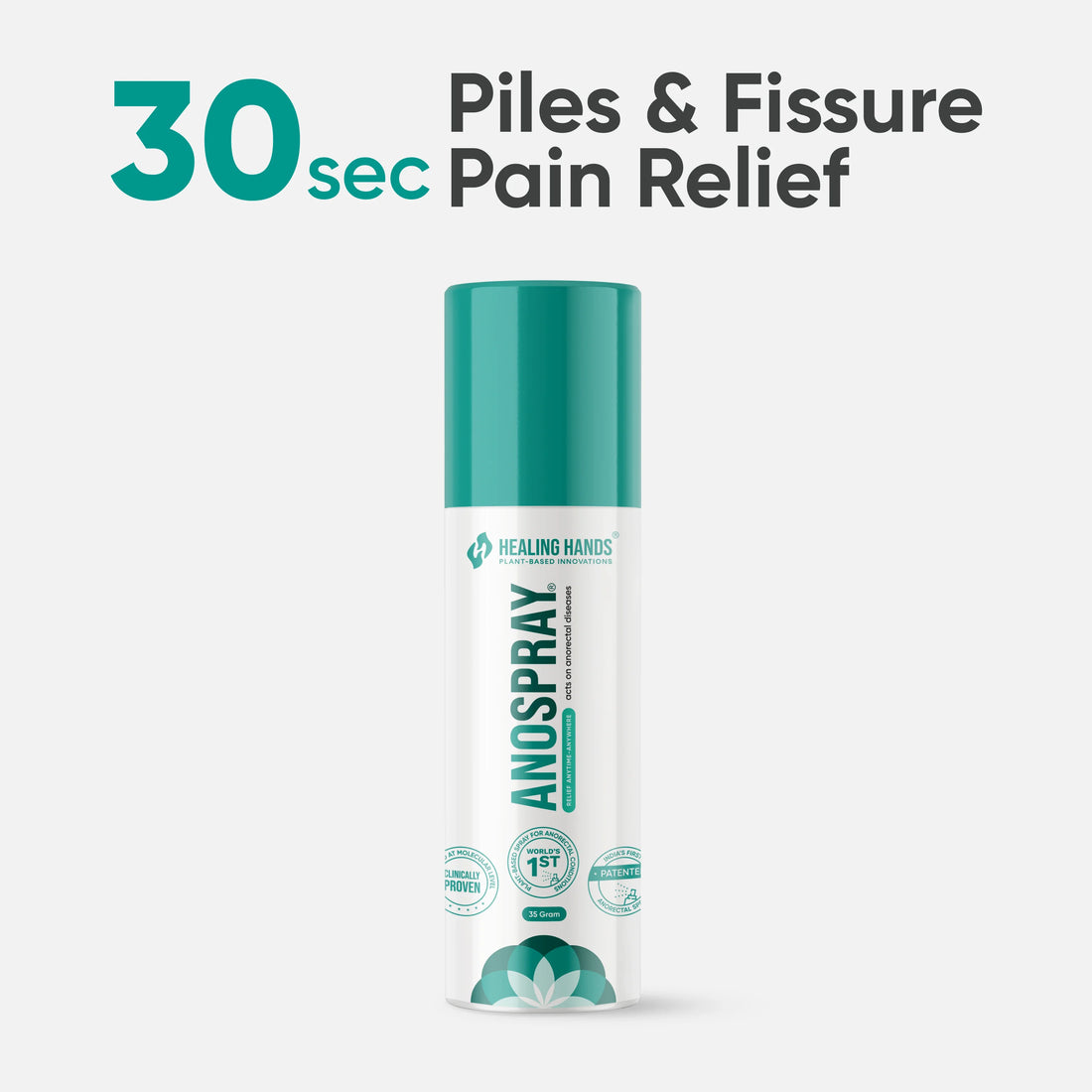
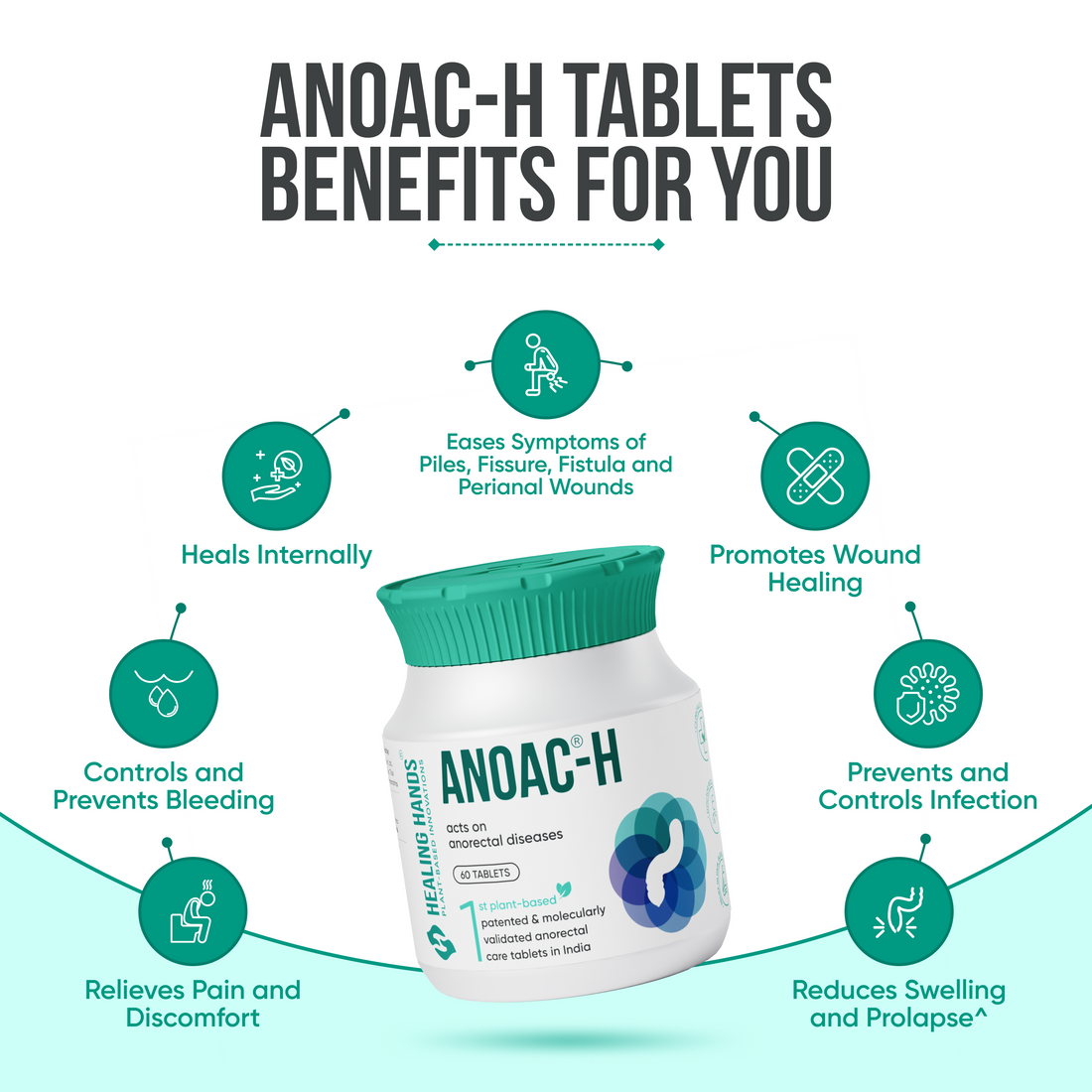
Two additional studies, conducted with the National Centre for Cell Science (NCCS, a leading Indian cellular science institute), explain how and why the formulations work. A molecular study published in the Experimental and Therapeutic Medicine (2021) on the spray formulation (AnoSpray, a stronger version of PiloSpray) showed that it suppresses the inflammatory markers COX-2 and RANTES, the blood-vessel-growth factor VEGF, and reduces the migration of inflammatory cells — all without harming cell viability. A separate molecular study published in the Molecular Medicine Reports (2021) on the tablet formulation (Anoac-H, a stronger version of PiloTab) showed that it downregulates RANTES, VEGFand IL-1β, again pointing to reduced inflammation and abnormal blood-vessel formation in hemorrhoid tissue. In plain terms, these medicines calm the inflammation and vascular changes that drive piles, rather than simply masking the symptoms.
How to Use PiloKit for Best Results in Piles Treatment
A standard PiloKit course runs for one month and can be repeated for up to three months, depending on severity. For best results:
- PiloSpray: shake well, then spray on the affected anal area for 2–4 seconds from a distance of about 5–8 cm, 2–3 times a day — preferably before and after bowel movements and before bed.
- PiloTab: take one tablet with water after meals, once in the morning and once at night.
- ConsteTab: take one or two tablets with water after dinner, depending on the severity of constipation.
Pair the medicine with the habits that prevent recurrence: drink 3–3.5 litres of water daily, eat plenty of fibre-rich fruits, vegetables and whole grains, avoid oily, fried and very spicy food, limit alcohol and smoking, and walk or exercise for about 30 minutes a day.
Home Remedies and Lifestyle Tips for Piles
Most mild cases settle with simple measures you can start at home — and these home remedies for piles also support any medicine you take:
- Eat more fibre. Whole grains, papaya, guava and leafy vegetables soften stool and reduce straining; psyllium husk (isabgol) helps — increase fibre gradually with plenty of water.
- Stay hydrated to keep stools soft and easy to pass.
- Take a warm sitz bath for about 15 minutes, two to three times a day and after bowel movements — one of the most soothing remedies.
- Don't strain or linger on the toilet, and go when you feel the urge.
- Use a cold compress for swelling and gentle, fragrance-free wipes instead of dry paper.
Of all of these, increasing dietary fibre has the strongest scientific support for reducing bleeding, pain and itching. For deeper reading, explore the Healing Hands piles blogs, or our dedicated fissure and fistula medicine ranges.




 Piles, Fissure & Fistula Medicines
 Constipation Care
 Acidity Care
 IBS & Gut Health
 Healing with Turmeric





 15%
OFF
15%
OFF