


 Piles, Fissure & Fistula Medicines
 Constipation Care
 Acidity Care
 IBS & Gut Health
 Healing with Turmeric


By Dr. S. Puri
BAMS,
Consulting Physician, Healing Hands Clinic
Table Of Contents
Key Takeaways

Pruritus Ani: An Overview
Pruritus ani literally means "itchy anus" and describes the persistent, uncomfortable sensation of itchiness around the anal area. This condition triggers a strong urge to scratch and often comes with a burning sensation, soreness, and visible inflammation.
The causes of anal itching can vary widely, from simple hygiene issues to underlying infections. In many cases, no specific cause is identified, which doctors call idiopathic pruritus ani.
Symptoms of Pruritus Ani
Anal itching and burning rarely occur alone. Most people experience a combination of symptoms that can range from mild discomfort to severe disruption of daily activities.
| Symptom | What You'll Notice | Important Notes |
|---|---|---|
| Intense Itching | Persistent, often unbearable itch around the anus | Usually worse at night or after bowel movements |
| Burning Sensation | Stinging or burning feeling, especially after scratching | Increases with inflammation and moisture exposure |
| Inflammation | Red, raw, or swollen skin around the anus | Chronic scratching can cause thick, leathery skin |
| Soreness | Pain or tenderness during or after bowel movements | May include bleeding if scratching is severe |
| Skin Changes | Dryness, scaling, or small cracks around the anus | Chronic cases show thick or discoloured skin |
| Visible Worms | Tiny white worms (in pinworm infections) | Itching typically worsens at night |
The itching in anal region tends to become more intense during hot, humid weather when sweating increases moisture around the area. Scratching provides momentary relief but creates a vicious cycle. This is why medicine for anal itching often focuses on breaking this cycle rather than just treating the itch itself.
What are the Types of Anal Itching?
Understanding the causes of anal itching helps you identify what might be triggering your discomfort. The below table reflects the four main types of anal itching and burning based on their underlying causes and how long they last:
| Type | Description | Common Triggers | Key Features |
|---|---|---|---|
| Primary | No clear cause found after examination | Dry skin, excess moisture, harsh soaps | Persistent itch, often worse at night |
| Secondary | Caused by a specific condition | Infections, piles, skin disorders | Itching in anal region with visible changes |
| Acute | Sudden onset, short duration | Infections, allergic reactions | Intense itching with redness or swelling |
| Chronic | Lasts more than 6 weeks | Long-term skin conditions, untreated piles | Thick skin, cracks, recurring symptoms |
The type of itching you experience helps determine the most effective medicine for anal itching and guides whether you need home care or medical attention on how to stop anal itching effectively.
Causes of Anal Itching
Understanding what triggers anal itching and burning helps you address the problem effectively and find lasting relief. Here are some of the most common causes of anal itching:
1.Poor Hygiene
Insufficient cleaning after bowel movements leaves fecal residues around the anal area. These residues irritate the sensitive skin and create an environment where bacteria thrive.
2.Excessive Cleaning/Wiping
Over-washing or vigorous wiping with harsh soaps strips away the skin's natural protective oils. This makes the anal skin dry, cracked, and more prone to irritation.
3.Sweating & Friction
Excess moisture from sweating, combined with friction from tight clothing, creates ideal conditions for itching in anal region leading to persistent itching and discomfort.
4.Diet Triggers
Spicy foods, caffeine, citrus fruits, and alcohol can irritate the anal skin directly. These foods change the pH of your stool, making it more acidic and irritating to the sensitive anal tissues.
5.Hemorrhoids (Piles)
Swollen veins around the anus leak mucus or small amounts of stool, causing skin irritation. The inflammation from hemorrhoids also changes the skin texture, making it more sensitive to touch and prone to itching.
6.Fungal or Yeast Infections
Moisture and warmth create perfect conditions for fungal overgrowth. These infections cause intense itching, redness, and sometimes a burning sensation.
7.Pinworms
These tiny worms are especially common in children and cause intense nighttime anal itching. The female worms lay eggs around the anus, creating an unbearable itch that disrupts sleep patterns.
8.Skin Conditions
Eczema, psoriasis, and contact dermatitis can affect the anal area just like other parts of your body.
9.Anal Fissures or Fistula
Small tears or abnormal channels near the anus create ongoing irritation. The healing process itself can cause itching, and any discharge from these conditions further irritates the surrounding skin.
10.Underlying Health Conditions Diabetes affects your body's ability to fight infections, making fungal and bacterial overgrowth more likely. Inflammatory bowel diseases and certain infections also manifest with anal itching as an early symptom.
Why Do Hemorrhoids Itch?
Hemorrhoids cause itching because the swollen blood vessels around your anus often leak small amounts of mucus or stool. This constant moisture irritates the surrounding skin, creating inflammation that triggers persistent itching sensations. The irritated tissue becomes more sensitive, making the itching worse over time. Effective anal itching treatment becomes essential to break this cycle. Our PiloKit offers targeted relief by reducing swelling and soothing irritated skin, helping you find comfort from both itching and pain.
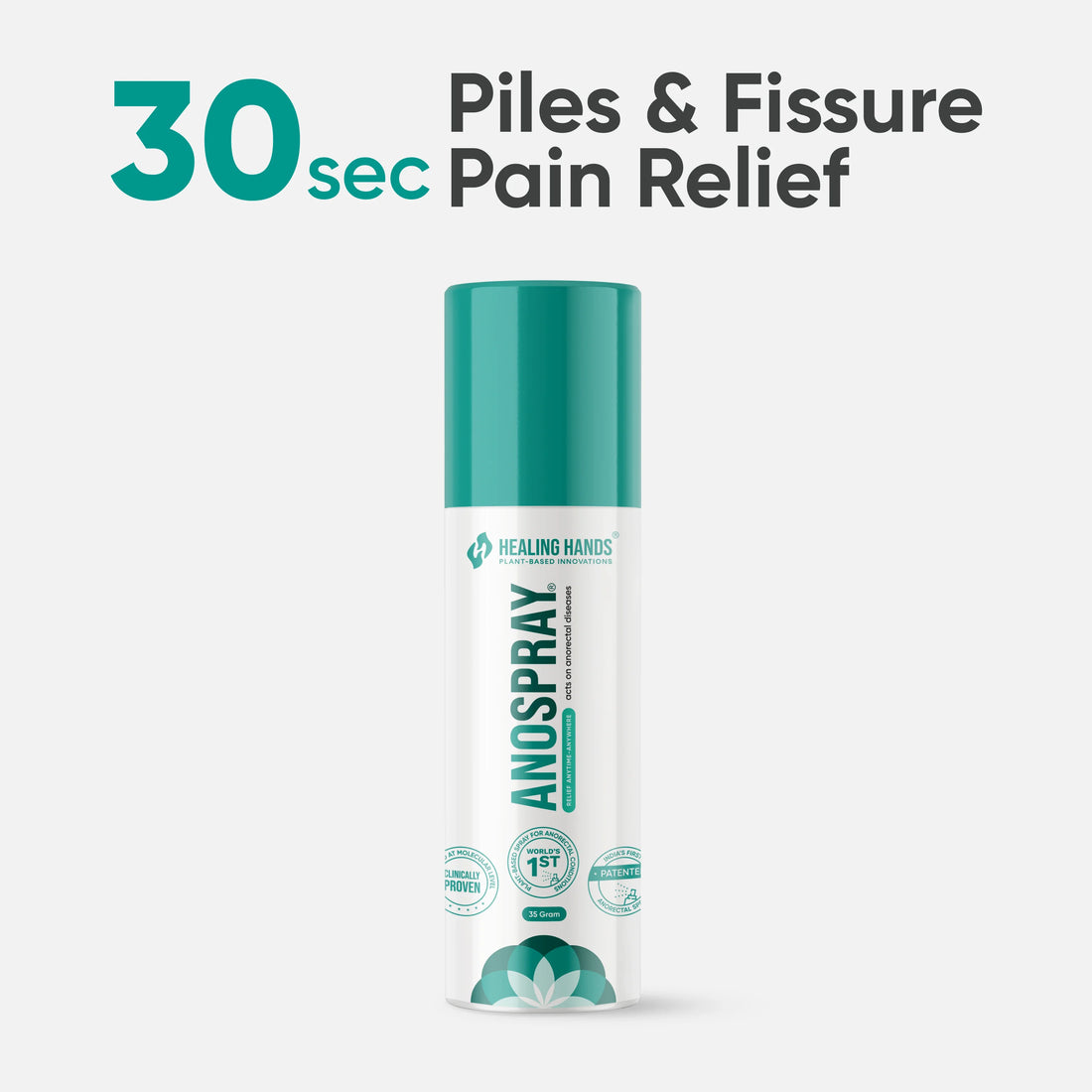
Quick Tip: Use PiloSpray after cleaning and drying the area for instant relief. Use twice daily until symptoms improve.
How Is Anal Itching Treated?
Most causes of anal itching respond well to gentle care and targeted treatments. Anal itching treatment depends on identifying and addressing the root cause. In most cases, simple self-care measures work effectively for about 90% of people experiencing this condition.
- Start with gentle cleaning using warm water and mild, fragrance-free soap.
- Avoid harsh wiping or scrubbing, which can worsen irritation. Keep the area dry after cleaning by patting gently with a soft towel.
- Over-the-counter anti-itch creams and barrier ointments provide immediate relief for many people.
- For persistent symptoms, your doctor may prescribe antifungal or steroid creams based on the specific cause.
If itching in anal region persists beyond a week or worsens despite care, consult a doctor to rule out infections or other conditions.
References
https://www.medicalnewstoday.com/articles/168728
https://my.clevelandclinic.org/health/diseases/15574-anal-itching-pruritus-ani
https://pmc.ncbi.nlm.nih.gov/articles/PMC2647235/
https://www.mayoclinic.org/diseases-conditions/anal-itching/symptoms-causes/syc-20369345
https://pmc.ncbi.nlm.nih.gov/articles/PMC3092075/
https://myhealinghands.in/products/pilokit-complete-piles-treatment-kit-30-days