Piles, Fissure & Fistula Medicines
 Constipation Care
 Acidity Care
 IBS & Gut Health
 Healing with Turmeric


By Dr. Namita Ambike
BAMS, Consulting Physician
Healing Hands Clinic
Table Of Contents
Key Takeaways
Constipation is a common issue that many people face. It means having trouble with bowel movements, often going fewer than three times a week. The stools can be hard, dry, and lumpy, making them tough to pass. You might also feel pain or strain during these movements or experience a bloated stomach.
Did You Know?
Prunes (dried plums) are a natural remedy for constipation! Their high fiber and sorbitol content act like a gentle laxative—helping you stay regular without medicine. Add a few soaked prunes to your morning routine for a digestive boost and to reduce constipation naturally!
What are the Common Causes of Constipation?
The key to understanding how to cure constipation is to understand its causes. Constipation can be triggered by several common factors, such as the ones listed below:
- Low-fiber diet: Not eating enough fruits, vegetables, and whole grains.
- Dehydration: Inadequate water intake leads to hard stools.
- Lack of physical activity: A sedentary lifestyle slows digestion.
- Ignoring bowel urges: Delaying bathroom visits can worsen constipation.
- Medications: Painkillers, antidepressants, and antacids may contribute.
- Medical conditions: IBS, diabetes, and thyroid disorders can also play a role.
How to Cure Constipation Naturally
You can often prevent constipation by making a few changes to your lifestyle and diet. Here are some effective, natural remedies for constipation treatment:
1. High-Fiber Diet for Constipation
Eating lots of fiber is the most commonly recommended method for curing constipation naturally. Fiber adds bulk to your stools, helping them move more easily through your intestines. There are two types of fiber—soluble and insoluble—and both are key to keeping your digestion healthy.
Table 1: Some fiber-rich foods to include in your diet for constipation
| Category | Examples |
|---|---|
| Whole Grains | Oats, Brown rice, Whole wheat roti, Daliya (broken wheat), Bajra, Jowar |
| Vegetables | Bhindi (Okra), Gajar (Carrot), Lauki (Bottle gourd), Palak (Spinach), Cabbage |
| Fruits | Seb (Apple), Nashpati (Pear), Papaya, Anar (Pomegranate), Prunes |
| Legumes | Rajma (Kidney beans), Chana (Black chickpeas), Masoor dal, Moong dal |
| Nuts & Seeds | Badam (Almonds), Akhrot (Walnuts), Flaxseeds, Chia seeds, Sunflower seeds |
2. Stay Hydrated
Apart from following a diet for constipation, drinking enough fluids is crucial for keeping constipation at bay. If you're dehydrated, your colon absorbs more water from waste, resulting in hard stools that are difficult to pass. Try to drink plenty of water throughout the day - aim for 8 to 10 glasses. Clear soups and juicy fruits like apples can also help you stay hydrated.
3. Exercise Regularly
Being active helps your intestines work better by encouraging food and waste to move through more effectively. Even simple activities like walking for 10–15 minutes a few times a day can help regularise bowel movements, making exercise one of the best natural remedies for constipation. Simple yoga poses or even aerobic exercises such as jogging or swimming can also be advantageous.
4. Establish a Consistent Bathroom Routine
Pay attention to your body's signals, and try to set regular times for bathroom visits. Ignoring the urge can make stools harder and more challenging to pass. A routine, like using the toilet every morning, can promote regularity. Having a warm glass of water every morning to induce a bowel movement is one way to reduce constipation.
5. Manage Stress for a Healthy Gut
Stress can disrupt the normal rhythm of intestinal action and contribute to constipation. Techniques like mindfulness, yoga, or even deep breathing exercises can ease stress and support digestive health. Being physically active also helps reduce stress levels while promoting gut health.
By following these natural strategies—eating more fiber, staying hydrated, exercising regularly, sticking to a bathroom schedule, and managing stress—you can reduce or cure constipation effectively.
How to Reduce Constipation through Lifestyle Changes
Implementing targeted lifestyle changes can significantly improve constipation and support long-term digestive health. Here are additional expert-backed strategies for constipation treatment that can help:
Develop a Morning Routine
Having a fixed morning routine can really help get your digestive system moving and encourage regular bowel movements. Wake up at the same time every day and try starting your day with a glass of water. Light exercises like walking or stretching can also do wonders. Even a gentle abdominal massage, moving your hands in a clockwise direction, can stimulate bowel activity and help ease constipation. Setting aside some time each morning to use the bathroom without rushing can also train your body to develop regular habits.
Practice Mindful Eating
Mindful eating is all about focusing on your meal—chewing slowly, savouring each bite, and listening to your body's signals of hunger and fullness. This approach not only improves digestion but also helps avoid overeating and reduces symptoms like bloating and discomfort. When you eat mindfully, it not only helps manage stress and anxiety, which often contribute to digestive issues such as constipation, but it also helps you prevent unhealthy snacking in between meals. In essence, mindful eating is a natural remedy for constipation that supports an improved diet and better digestion.
Monitor Your Medications
Some medications might be causing or worsening constipation. Medications like opioid pain relievers, non-steroidal anti-inflammatory drugs (NSAIDs), antihistamines, tricyclic antidepressants, iron supplements, certain blood pressure medications, and anti-nausea drugs are common culprits. If you think your medication is affecting your bowel habits, it’s best to consult with your doctor. They might suggest alternative treatments like increasing dietary fiber, drinking more fluids, or incorporating regular exercise into your routine. This is an essential part of any constipation care plan.
Consume Probiotic-Rich Foods
Probiotics are the beneficial bacteria found in foods such as yogurt, kefir, and fermented vegetables. They can help balance the bacteria in your gut and promote regular bowel movements. While not everyone sees significant results with probiotics, many people find relief from constipation when it's related to an imbalance in gut flora. Including probiotics in your diet for constipation could be a helpful addition to other lifestyle changes for constipation.
Limit Caffeine and Alcohol
Caffeine and alcohol can lead to dehydration, which might make constipation worse by hardening stools and making them difficult to pass. Cutting down on caffeinated and alcoholic drinks and opting for water or herbal teas instead can help maintain good hydration levels and support healthy bowel function.
Healing Hands Constipation Care Plan for Constipation Treatment
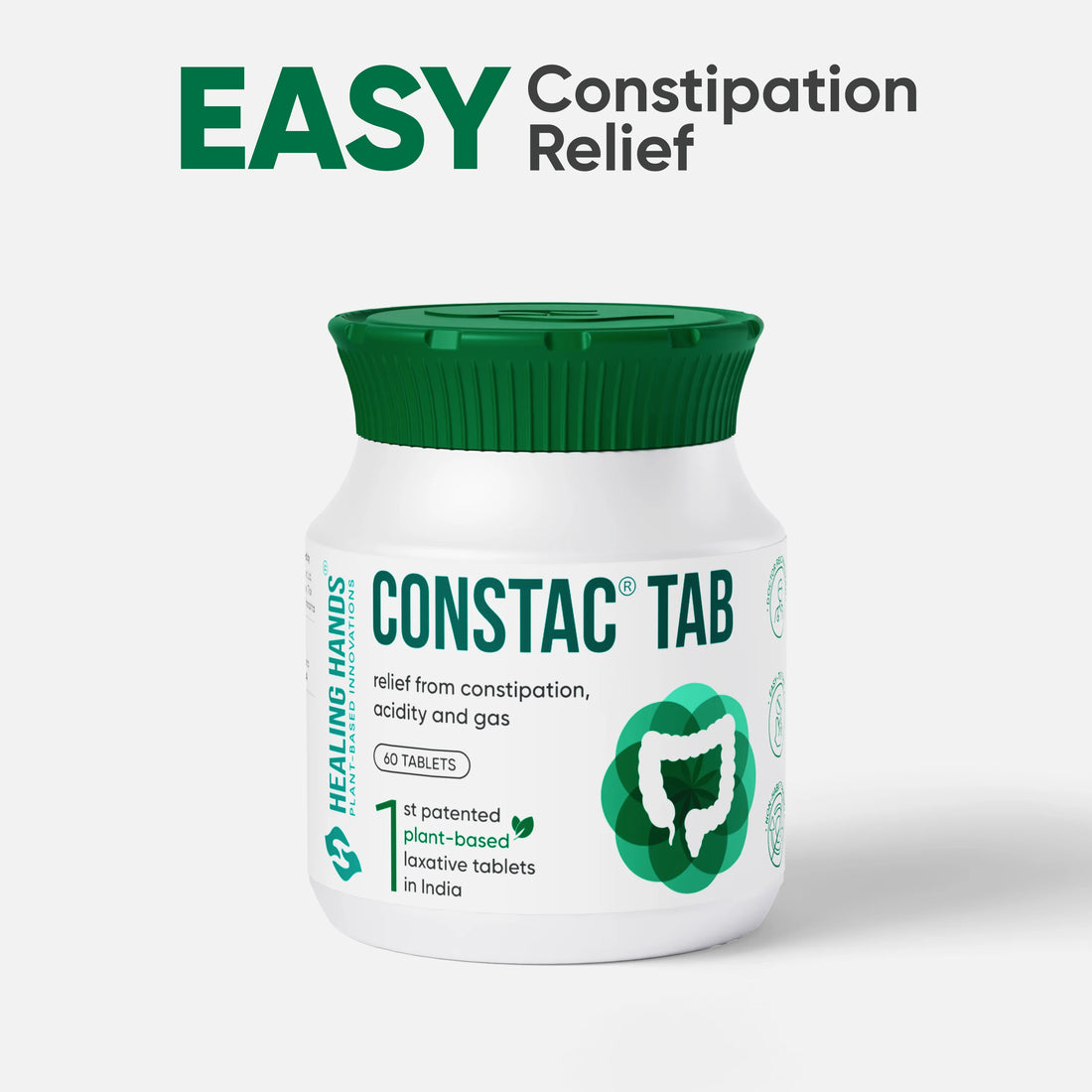
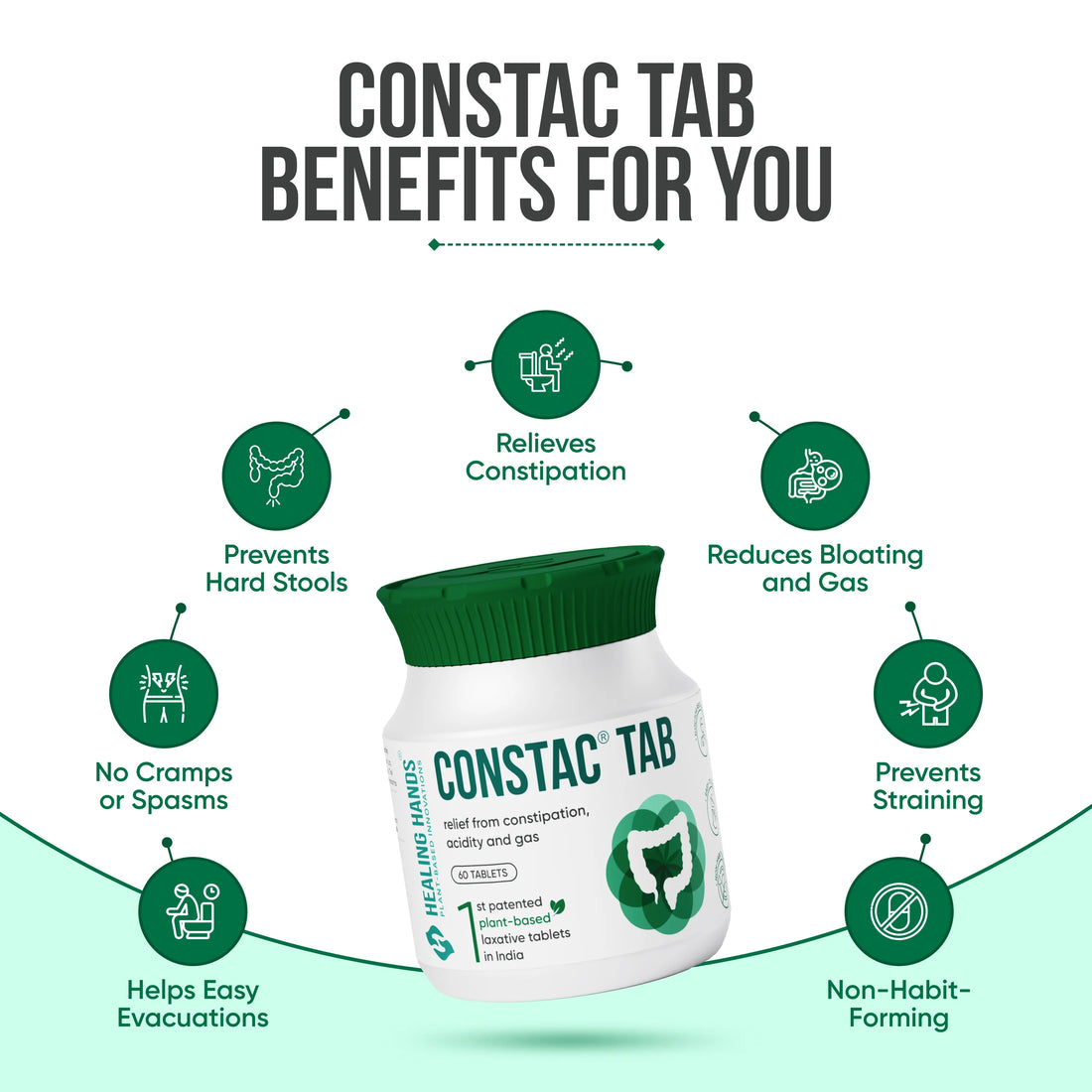
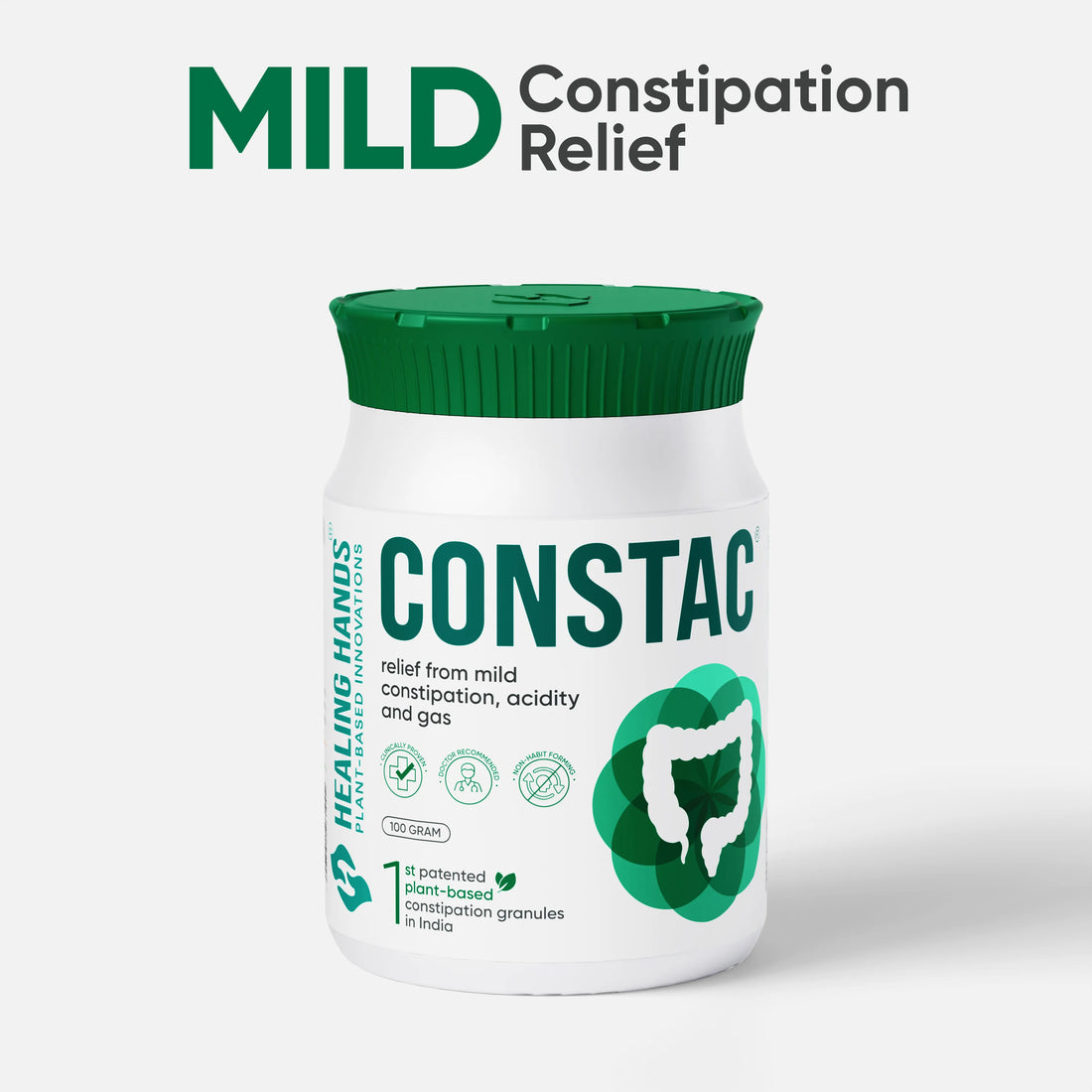
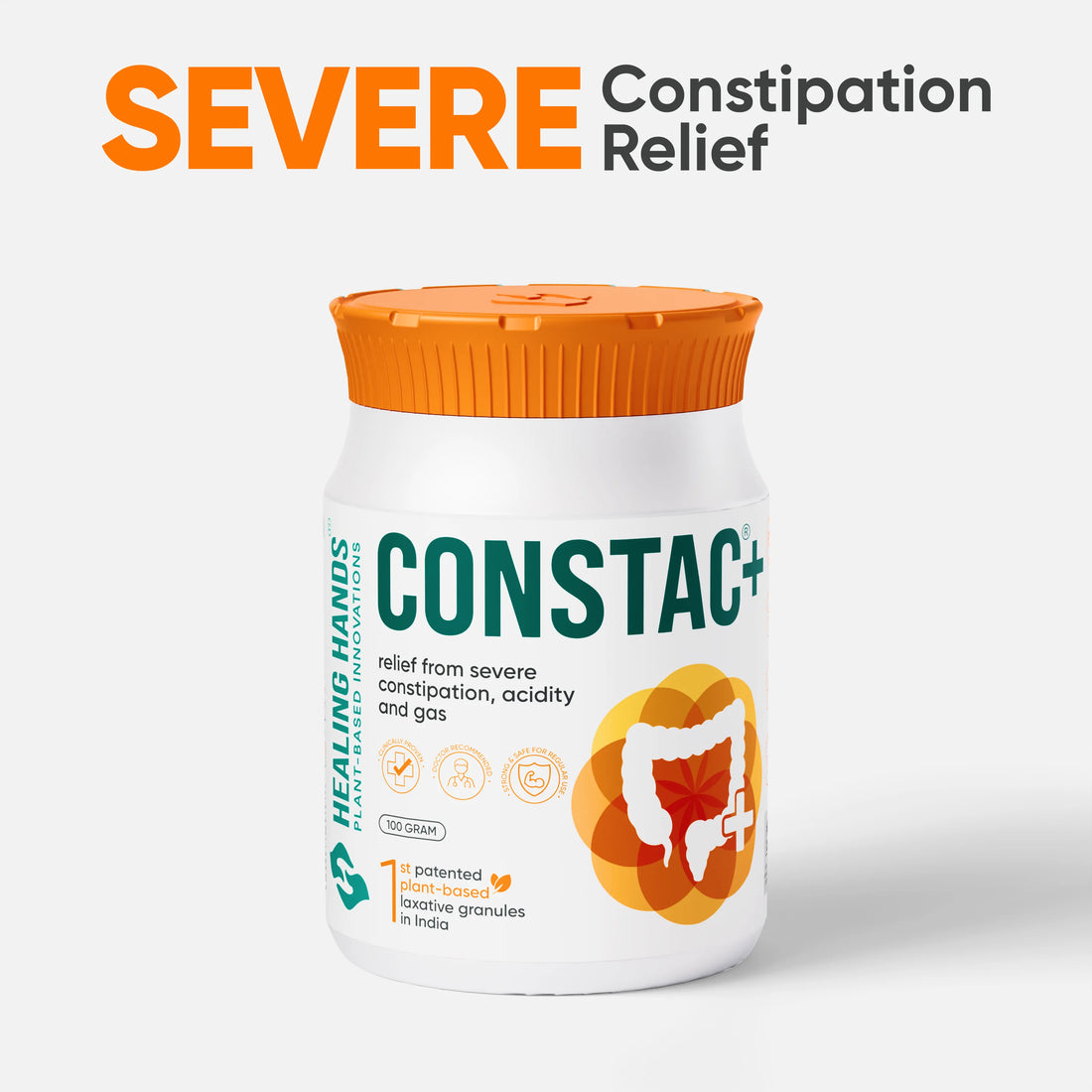
For those seeking a safe, effective, and plant-based way to reduce constipation, explore the Healing Hands Constipation Care Range. It offers three patented, clinically proven options—Constac Granules for mild cases, Constac Plus Granules for severe constipation, and ConstacTab for convenient daily use.
Backed by large-scale studies and trusted by over 200 doctors across India, these non-habit-forming products provide comprehensive relief from symptoms like bloating, straining, and poor stool consistency. Whether your constipation is occasional or chronic, you can count on Healing Hands for a gentle, long-term constipation care plan that fits seamlessly into your holistic gut health journey.
References:
https://www.medicalnewstoday.com/articles/318694
https://www.healthline.com/health/cic/lifestyle-tips-and-therapy-options
https://myhealinghands.in/collections/constipation-relief
https://my.clevelandclinic.org/health/diseases/4059-constipation
https://medlineplus.gov/ency/patientinstructions/000120.htm
https://www.healinghandsclinic.co.in/constipation-treatment-centre/