


 Piles, Fissure & Fistula Medicines
 Constipation Care
 Acidity Care
 IBS & Gut Health
 Healing with Turmeric


By Dr. Priyanka Oka
BAMS, PGDHM,
Consulting Physician, Healing Hands Clinic
Table Of Contents
Key Takeaways

What is Constipation?
Constipation is a digestive condition where you have fewer than three bowel movements per week, often with hard, dry stools that are difficult to pass. This common issue affects people of all ages and can significantly impact your daily comfort and quality of life, but it's manageable with the right approach.
Types of Constipation
Primary Constipation
Normal Transit Constipation
Slow Transit Constipation
Outlet Dysfunction Constipation
Chronic Idiopathic Constipation
Secondary Constipation
Secondary constipation happens when something else in your body or lifestyle is causing the problem. Common causes include medications like painkillers or antacids, health conditions like diabetes or thyroid problems, not eating enough fiber, drinking too little water, or sitting too much during the day.
Obstructive Defecation Syndrome (ODS)
| Type | Subtype | Description |
|---|---|---|
| Primary Constipation | Normal Transit Constipation | Stool moves normally but feels difficult to pass, often linked with IBS. |
| Slow Transit Constipation | Stool moves very slowly because the colon muscles do not contract well. | |
| Outlet Dysfunction Constipation | The pelvic floor muscles fail to coordinate, making it hard to push stool out. | |
| Chronic Idiopathic Constipation | A long-term type of constipation with no identifiable cause. | |
| Secondary Constipation | NA | Constipation caused by medications, health conditions, or lifestyle factors. |
| Obstructive Defecation Syndrome | NA | Structural or anatomical problems (such as rectocele, rectal prolapse, or intussusception) physically block stool passage, even when bowel movements reach the rectum normally. |
What Causes Constipation?
- Dietary Factors: Diet plays a major role. When you don't eat enough fiber-rich foods like fruits, vegetables, whole grains, and dal, your stool doesn't have enough bulk to move easily through your intestines. Not drinking enough water makes your stool hard and dry, which is much harder to pass.
-
Lifestyle Habits: Lifestyle habits significantly impact your bowel health. If you sit for long hours at work or don't get regular exercise, your intestinal muscles become sluggish. Physical activity naturally stimulates your bowel movements, so a sedentary routine often leads to constipation.
- Travel: Changes in routine, disrupted sleep patterns, and eating unfamiliar foods while traveling can upset your digestive system. Long flights or road trips also mean sitting for extended periods, which slows down bowel movements.
- Holding Your Urge to Defecate: Ignoring nature's call is a common problem. When you delay going to the toilet because you're busy or the facilities aren't clean, you weaken your body's natural reflexes. Over time, this makes it harder for your body to signal when it's time to go.
- Medications: Certain medicines can cause constipation as a side effect. Pain medications, especially opioids, antacids containing calcium or aluminium, some antidepressants, and iron supplements are common culprits.
- Health Conditions: Ailments like hypothyroidism, diabetes, Parkinson's disease, or pelvic floor problems can interfere with normal bowel function. During pregnancy, hormonal changes and pressure from the growing baby often cause constipation.
- Stress and Emotional Factors: These also affect your digestive system. Anxiety, depression, or major life changes can disrupt your normal bowel patterns.
- Age: Age-related changes make constipation more common in older adults. As you age, your colon muscles work less efficiently, and you're more likely to take medications or have health conditions that contribute to the problem.
Symptoms of Constipation

- The most obvious sign is having fewer than three bowel movements per week. You might find yourself straining excessively when trying to pass stool, which shouldn't be necessary for normal bowel movements.
- Hard, dry, or lumpy stools are classic constipation symptoms. These stools are difficult and sometimes painful to pass. You might also experience a feeling that you haven't completely emptied your bowel even after using the toilet.
- Abdominal discomfort and bloating happen because stool builds up in your intestines, creating pressure and gas accumulation. This can make your stomach feel tight and uncomfortable throughout the day.
- In severe cases, you might need to use manual techniques like pressing on your abdomen or using your fingers to help stool passage. Some people also experience a sensation of blockage in their rectum, making it feel impossible to have a normal bowel movement.
These symptoms of constipation often cause embarrassment, leading many people to avoid discussing the problem with family or doctors. However, ignoring constipation can lead to complications like hemorrhoids, anal fissures, or more severe bowel problems.
What are the Risk Factors of Constipation?
- Age: Age plays a significant role—older adults face higher risks due to reduced mobility, slower bowel movement, and common health conditions that affect digestion. Children, especially school-going kids, are also prone to constipation as they may ignore the urge to pass stool or hold it in due to lack of access to clean toilets or being preoccupied with school activities.
- Gender: Women experience constipation more often than men, particularly during pregnancy when hormonal changes and the growing baby put pressure on the intestines. Hormonal fluctuations during menstruation and menopause also contribute to this increased risk.
-
Daily Habits: Your daily habits strongly influence bowel health:
- Low physical activity slows down intestinal movement, making it harder for waste to pass through
- Insufficient dietary fiber from fruits, vegetables, and whole grains reduces stool bulk and softness
- Dehydration hardens stools, making them difficult to pass
- Ignoring the urge to use the toilet disrupts your body's natural rhythm
- Depression and Anxiety: Mental health conditions like depression and anxiety can disrupt the gut-brain connection, affecting normal bowel function. Various medications, including painkillers, antacids, and certain blood pressure medicines, list constipation as a common side effect.
- Health Conditions: Medical conditions such as diabetes, thyroid disorders, and neurological problems can also slow down bowel movements. In urban Indian settings, sedentary office jobs combined with processed foods and irregular meal times often contribute to digestive issues.
How is Constipation Diagnosed?
History and Physical Exam
Tests
Blood Tests
MRI Defecography
Colonoscopy
Anal Manometry
Treatment for Constipation
Preventive Constipation Remedies

- Increasing your fiber intake forms the foundation of prevention. Include whole grains like jowar, bajra, ragi, brown rice and oats, plenty of vegetables such as spinach and beans, and fruits like guavas and oranges in your meals. These foods add bulk to your stools and make them easier to pass.
- Proper hydration keeps your stools soft and prevents them from becoming hard and difficult to pass. Aim for at least eight glasses of water daily, and consider starting your morning with warm water or jeera water, which many find helpful for digestion.
- Regular physical activity stimulates your intestinal muscles and promotes healthy bowel movements. Even a 30-minute daily walk can make a significant difference. Simple yoga poses like the wind-relieving pose can also help.
- Traditional Indian foods like buttermilk, papaya, and figs naturally support healthy digestion. Limiting processed foods, excessive tea, and refined flour products also helps maintain regular bowel movements.

Over-the-counter Medication
- Bulk-forming agents like psyllium husk (isabgol) absorb water and create softer, larger stools that are easier to pass. They're generally safe for long-term use and work well with increased fluid intake.
- Stool softeners help water penetrate hard stools, making them easier to eliminate. Osmotic laxatives like lactulose draw water into the intestines, softening stools naturally.
- Stimulant laxatives containing senna or bisacodyl trigger intestinal contractions to move stools along. While effective, they should be used sparingly to avoid dependency.
Always start with the gentlest option and consult a healthcare provider if you need these medications regularly. Some people find that alternating between different types works better than relying on one consistently.
Plant-based Medication
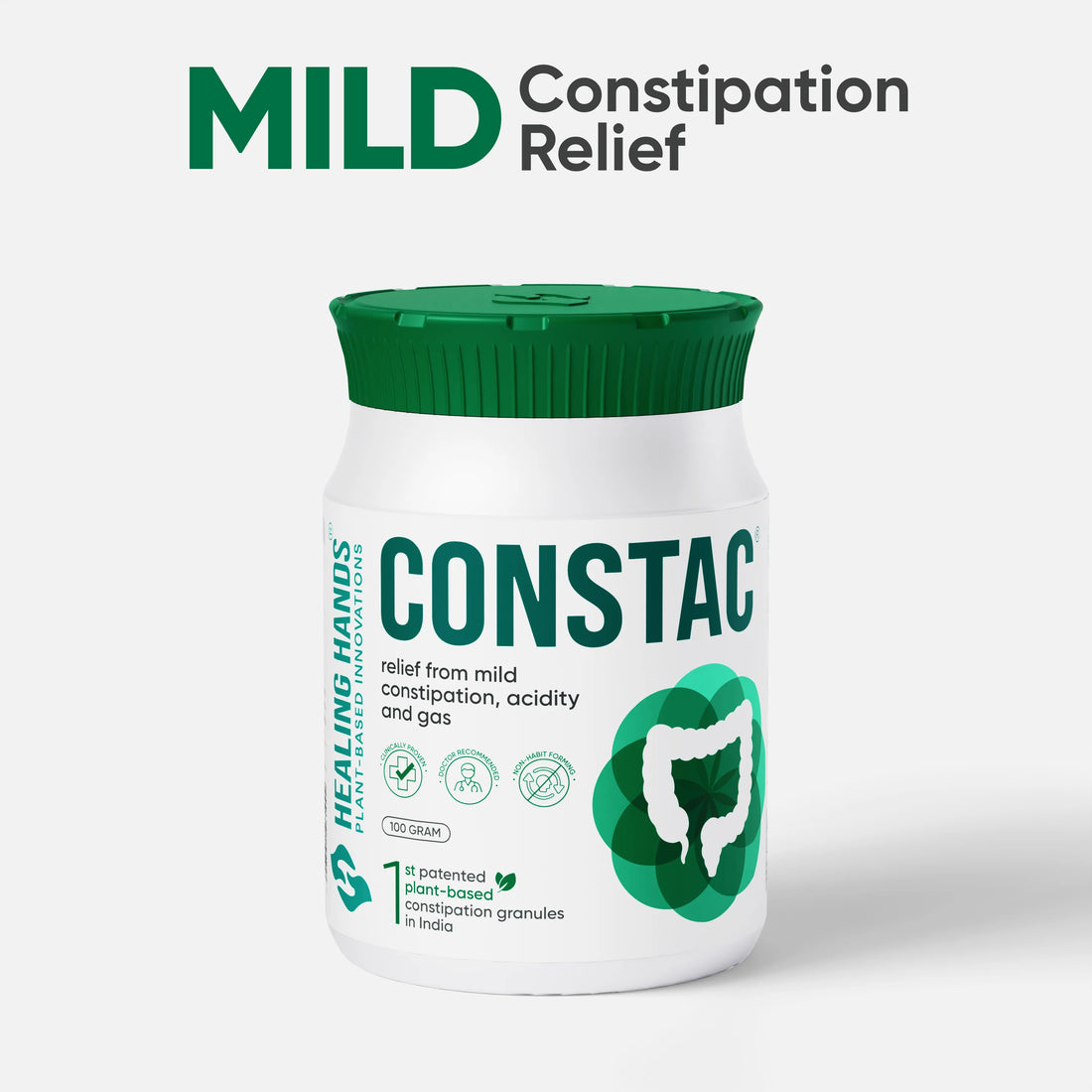
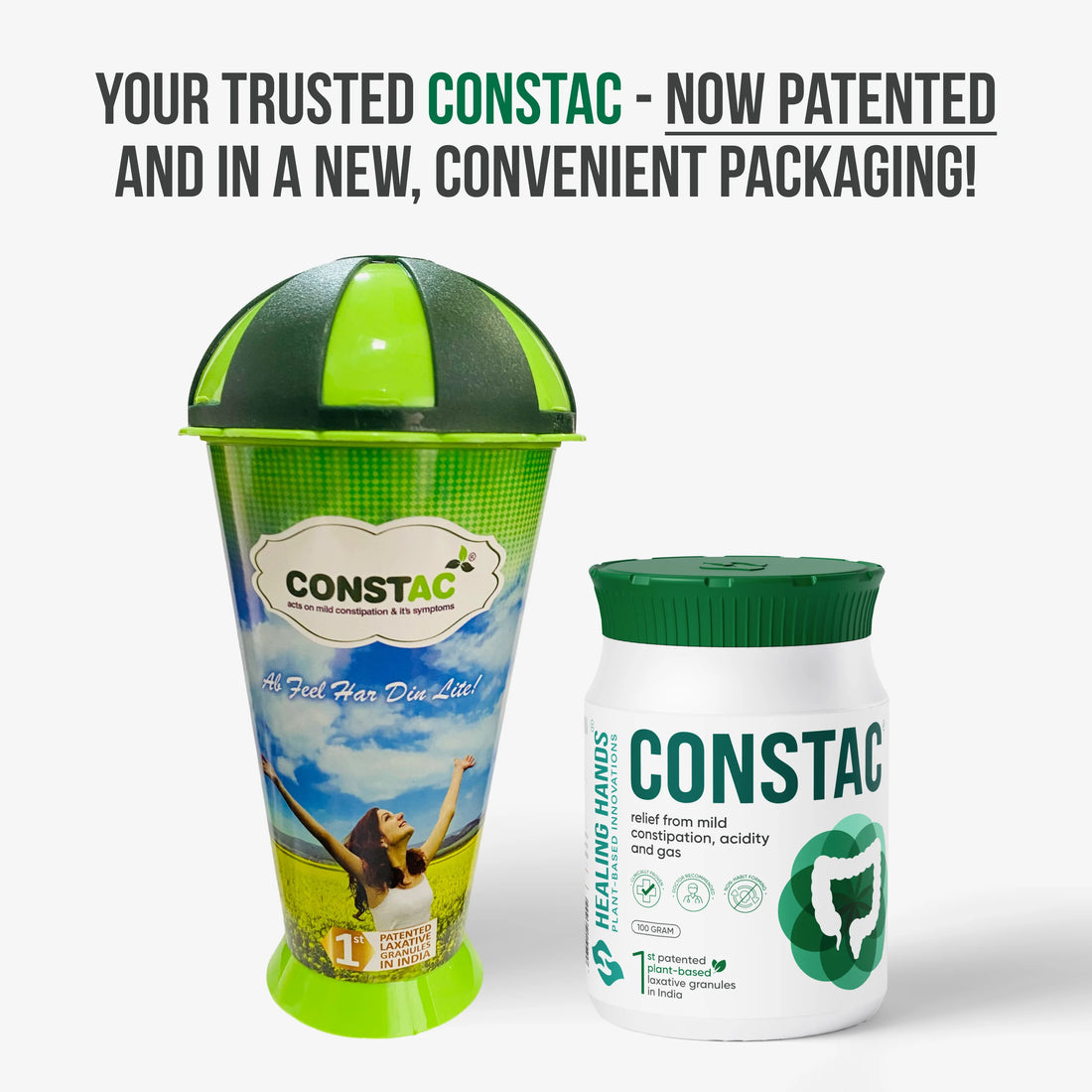
- Constac Granules – designed for mild constipation, gentle enough for regular use.
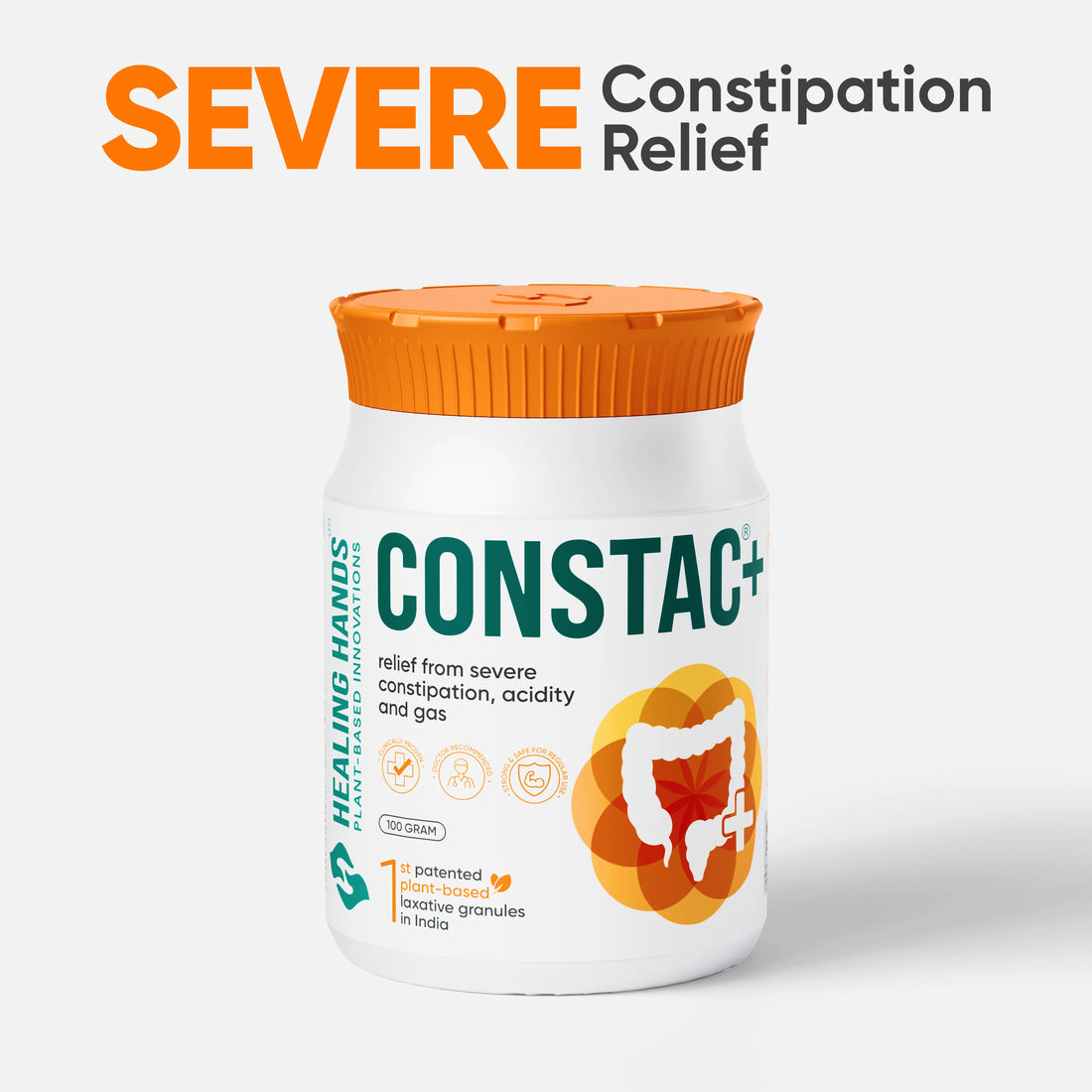
- Constac Plus Granules – a stronger variant for severe or chronic constipation.
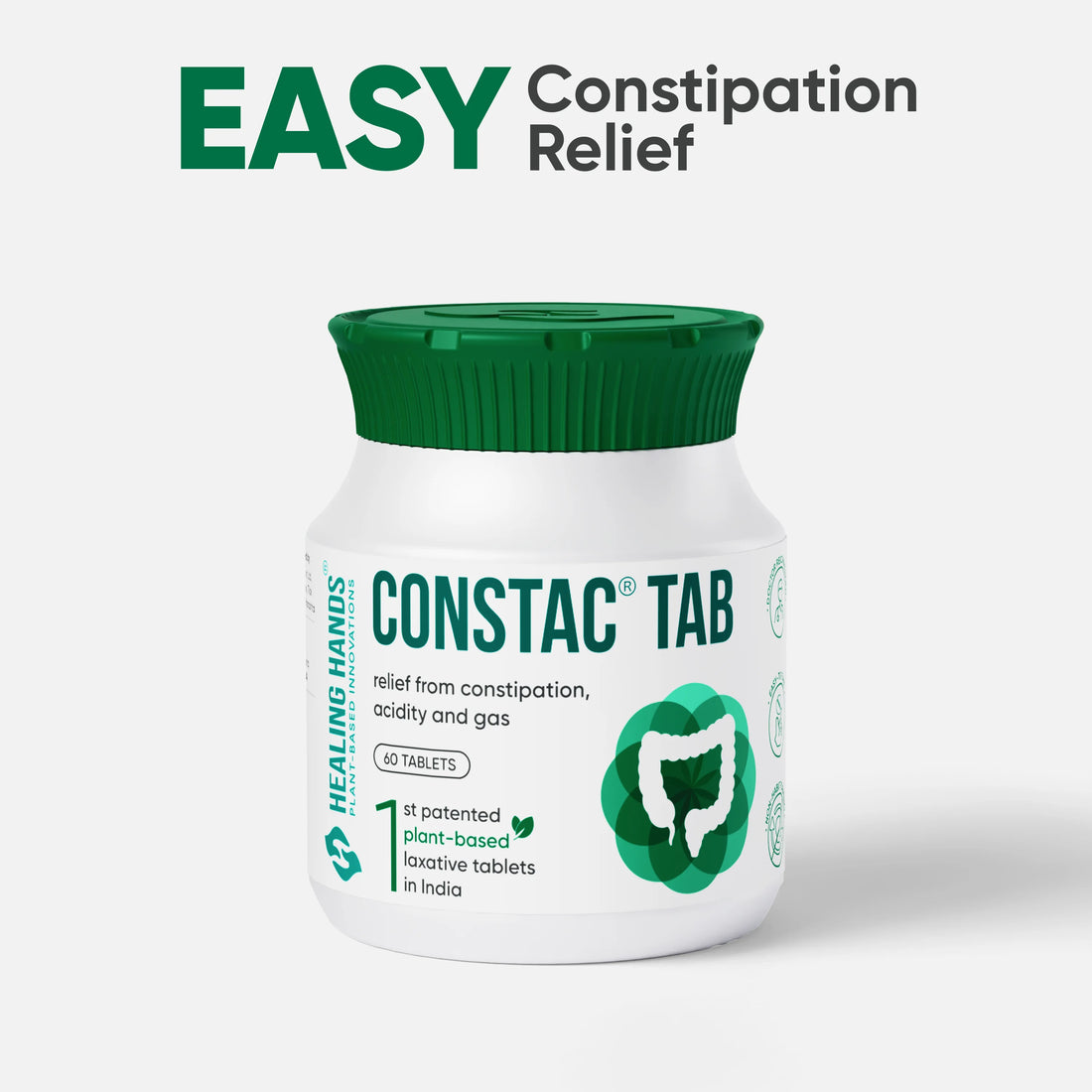
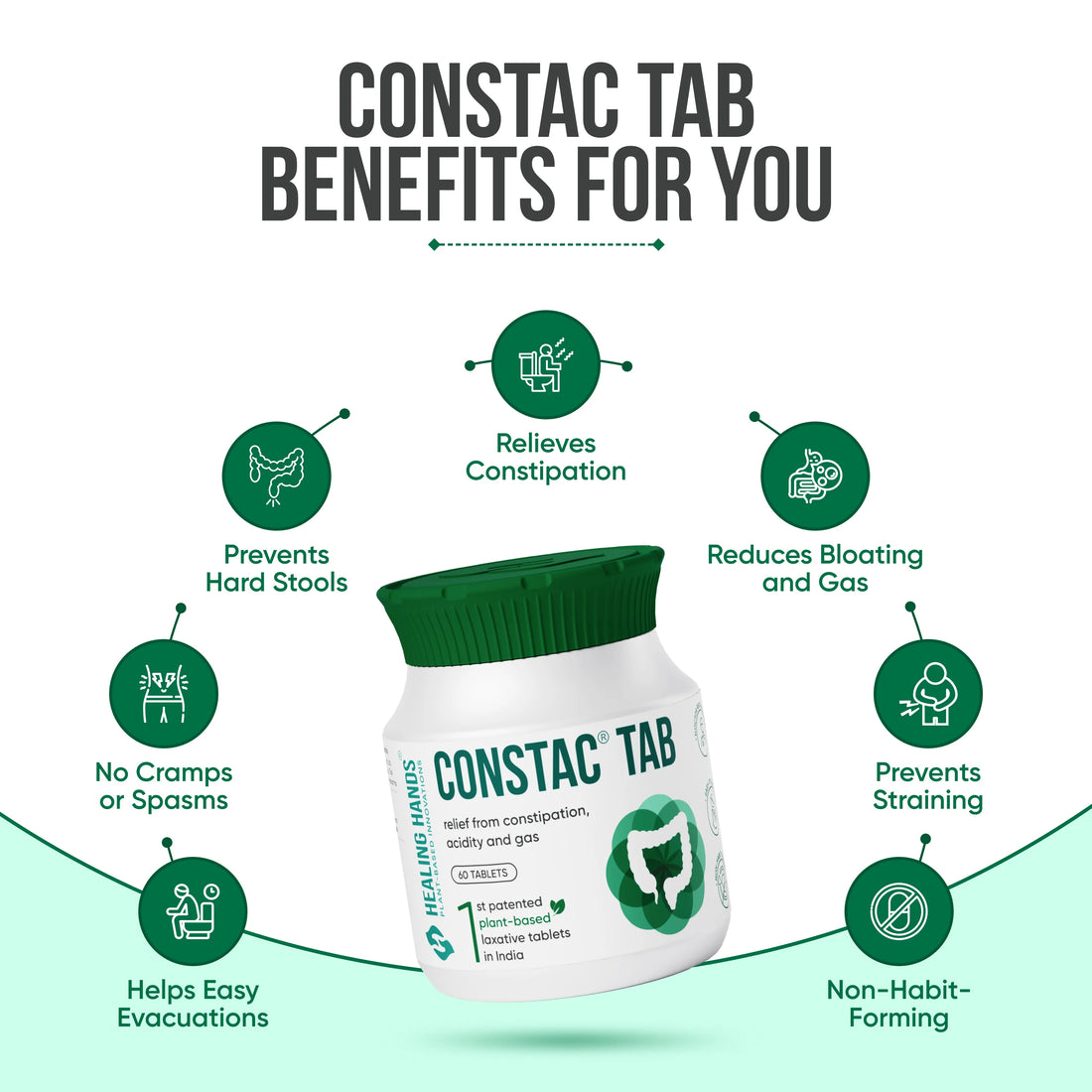
- ConstacTab – a convenient tablet option for those who prefer an easy-to-take alternative.
- Stimulating natural digestive fire (agni) to improve overall gut function
- Providing gentle laxative effects without creating dependency
- Work as natural stool softner for easy evacuation
- Providing natural fiber content for better digestion
- Supporting healthy gut bacteria that aid regular bowel movements
- Reducing inflammation in the digestive tract
Biofeedback Therapy
Surgery
Surgical intervention becomes necessary only when severe constipation doesn't respond to other treatments and significantly impacts quality of life. These procedures address specific structural problems causing obstruction.
Stapled Trans Anal Rectal Resection (STARR)
Obstructed Defection Syndrome
When to See a Doctor?
Possible Complications of Untreated Constipation
 Ignoring persistent constipation can lead to painful complications that affect your daily life and overall health. The constant straining during bowel movements puts extra pressure on your rectal area, creating several problems. The most common issues include:
- Piles (hemorrhoids) - swollen veins around your anus that cause pain, itching, and bleeding
- Anal fissures - small tears in the skin around your anus that lead to sharp pain and bleeding during bowel movements
- Fecal impaction - when hard, dry stool gets stuck in your colon or rectum, often requiring medical removal
- Rectal prolapse - part of your rectum pushes outside your anus due to excessive straining
These complications cause significant discomfort and can be socially embarrassing, often making people avoid seeking help. In urban India, where people consume less fiber and lead sedentary lifestyles, these risks increase when constipation goes untreated. Chronic constipation can also raise your risk of infections and worsen existing bowel problems, making early constipation relief essential.
Building Lasting Digestive Health
https://my.clevelandclinic.org/health/diseases/4059-constipation
https://www.mayoclinic.org/diseases-conditions/constipation/symptoms-causes/syc-20354253
https://pmc.ncbi.nlm.nih.gov/articles/PMC11781917/
https://emedicine.medscape.com/article/184704-overview