Piles, Fissure & Fistula Medicines
 Constipation Care
 Acidity Care
 IBS & Gut Health
 Healing with Turmeric


By
BAMS, MS (General Surgery)
Proctosurgeon, Healing Hands Clinic
Table Of Contents
Key Takeaways
 Anal fissures affect millions of people, causing sharp pain and bleeding during bowel movements. An anal fissure is simply a small tear in the lining of your anus. This tear happens when hard stools stretch the anal opening beyond its normal capacity, or when chronic diarrhea irritates the delicate tissue. The result is a painful crack that bleeds and makes every trip to the toilet uncomfortable.
Most people wonder if they'll need surgery to fix this problem. The reality is much more encouraging. Studies show that over 90% of acute fissures heal naturally within 6-8 weeks using simple, home remedies. Understanding how to cure anal fissure can help you manage symptoms and promote faster healing.
Can Fissure be Cured Without Surgery?
Yes, anal fissures can be cured without surgery in most cases. The majority of fissures heal naturally within a few weeks to a couple of months using simple, non-surgical treatments.
When considering how to treat anal fissure without surgery, there are three main approaches to focus on:
- Softening stools to reduce strain during bowel movements through dietary changes and adequate hydration.
- Improving blood flow to the affected area by relaxing the anal sphincter muscles with warm sitz baths.
- Managing pain and inflammation using topical medications and proper hygiene practices.
Effective Home Remedies for Anal Fissure
Learning how to cure anal fissure at home naturally starts with understanding simple, effective remedies. These methods focus on reducing pain, promoting healing, and preventing further tears in the delicate anal tissue.
1. Sitz Baths
A sitz bath is one of the most effective ways to treat anal fissure at home. This simple remedy involves soaking the lower body in warm water for 10-20 minutes, which helps relax the anal muscles and reduce painful spasms.
2. Bowel Habit Modification
Making changes to your bowel habits is an important part of how to cure anal fissure effectively. Poor bowel habits often worsen fissures by creating additional strain and pressure on the anal canal.
3. High-Fiber Diet
A high-fiber diet is fundamental for anyone learning how to treat anal fissure at home. Fiber such as brown rice, ragi, bajra, beans, flaxseeds, chia seeds, etc. adds bulk and moisture to stool, making it softer and easier to pass without straining the anal muscles. Start increasing fiber gradually to avoid gas and bloating.
4. Hydration
Proper hydration works hand-in-hand with fiber to treat anal fissures naturally. Aim to drink 8-10 glasses of fluids daily. Drinking enough water helps fiber soften the stool, reducing pain and strain during bowel movements and supporting fissure healing.
5. Stool Softeners
Stool softeners such as psyllium husk (isabgol), and osmotic laxatives provide additional support when dietary changes alone aren't enough to cure anal fissure symptoms. These products help maintain soft, moist stool consistency, reducing pain during bowel.
6. Coconut Oil or Aloe Vera
If you're looking into how to treat anal fissure at home, natural options like coconut oil and aloe vera can offer soothing relief. Both remedies offer soothing, anti-inflammatory properties that support healing. Apply a small amount gently around the anus after cleaning, especially before expected bowel movements.
7. Avoid Spicy & Processed Foods
Eliminating irritating foods is crucial when learning how to cure anal fissure effectively. Spicy and processed foods such as excessive chilli, pickles, highly fermented foods, fried snacks, etc. can inflame the anal canal, worsening pain, burning, and itching symptoms. These foods can irritate the digestive tract and make stool more acidic, which burns the open fissure tissue during elimination.
8. Practice Gentle Wiping & Hygiene
Proper anal hygiene prevents infection and irritation that can slow fissure healing. Gentle cleaning techniques are essential for anyone learning how to treat anal fissure at home successfully. Use soft, unscented toilet paper or moist wipes and rinse with clean water. After cleaning, keep the area dry to prevent bacterial growth that could lead to infection. Change underwear daily and choose fabrics that allow air circulation.
Quick Tip: Start with just two changes—drink an extra glass of water with each meal and take a 10-minute sitz bath after bowel movements. These simple steps often provide relief within days.
Do's and Don'ts for Fissure Recovery
Learning how to cure anal fissure effectively requires following specific guidelines that promote healing and prevent further damage. The below table reflects the do's and dont's for fissure recovery:
| Do's | Don'ts |
|---|---|
| Eat high-fiber foods: Include dals, green leafy vegetables, whole grains, and fruits in your meals. These keep stools soft and prevent straining during bowel movements. | Avoid straining during bowel movements:Forcing or pushing increases pressure on the anal area, which can deepen the fissure or create new tears. |
| Stay well hydrated: Drink 8-10 glasses of water daily to keep stools soft and easy to pass. | Avoid prolonged sitting on the toilet: Extended toilet time increases anal pressure and can worsen existing fissures. |
| Practice gentle cleaning: Use warm water to clean the area after bowel movements. | Don't use perfumed soaps:Harsh chemicals and fragrances can irritate the sensitive anal skin and delay healing. |
| Take warm sitz baths:Sit in a few inches of warm water for 10-15 minutes several times daily to relax the anal muscles. | Don't delay medical care: If your fissure persists beyond 6 weeks or symptoms worsen, seek professional help immediately. |
| Use prescribed treatments:Apply doctor-recommended ointments or creams as directed. These medications help relax muscles and reduce pain during healing. | Avoid rough wiping:Use soft toilet paper or alcohol-free wet wipes to prevent further irritation to the healing tissue. Also, keep a check on water pressure while using jet spray, which can also cause pain at times. |
| Stay active with gentle exercise: Daily walking promotes healthy digestion and prevents constipation without straining the body. | Don't lift heavy objects: Heavy lifting increases abdominal pressure, which can worsen fissure symptoms. |
| Manage pain appropriately: Use over-the-counter pain relief as advised to make bowel movements more comfortable. | Don't self-medicate without guidance: Using the wrong treatments can make fissures worse or prevent proper healing. |
How to Prevent Recurrence?
Most fissures return because people go back to the same habits that caused them initially. The key lies in maintaining soft stools permanently. Here are a few points to keep in mind:
- Regular movement like walking after meals or doing basic yoga poses improve digestion.
- Never strain or sit on the toilet for long periods. When you feel the urge, go immediately instead of holding it in. This prevents waste from becoming hard and difficult to pass.
- Keep the area clean with plain water after each bowel movement. Avoid using rough toilet paper or products with strong fragrances that can irritate sensitive skin.
If you notice any early signs of discomfort or small amounts of bleeding, address them immediately.
Conclusion
With the right approach and consistent care, how to cure anal fissure naturally becomes entirely achievable. Your body has remarkable healing abilities when given the right support. Remember, healing takes time, but most people see significant improvement within 2-4 weeks of consistent care. If your symptoms persist beyond six weeks or worsen, don't hesitate to consult a doctor. Early medical intervention can prevent the need for surgery later. How to treat anal fissure successfully means being patient with your body and maintaining healthy bowel habits even after healing.
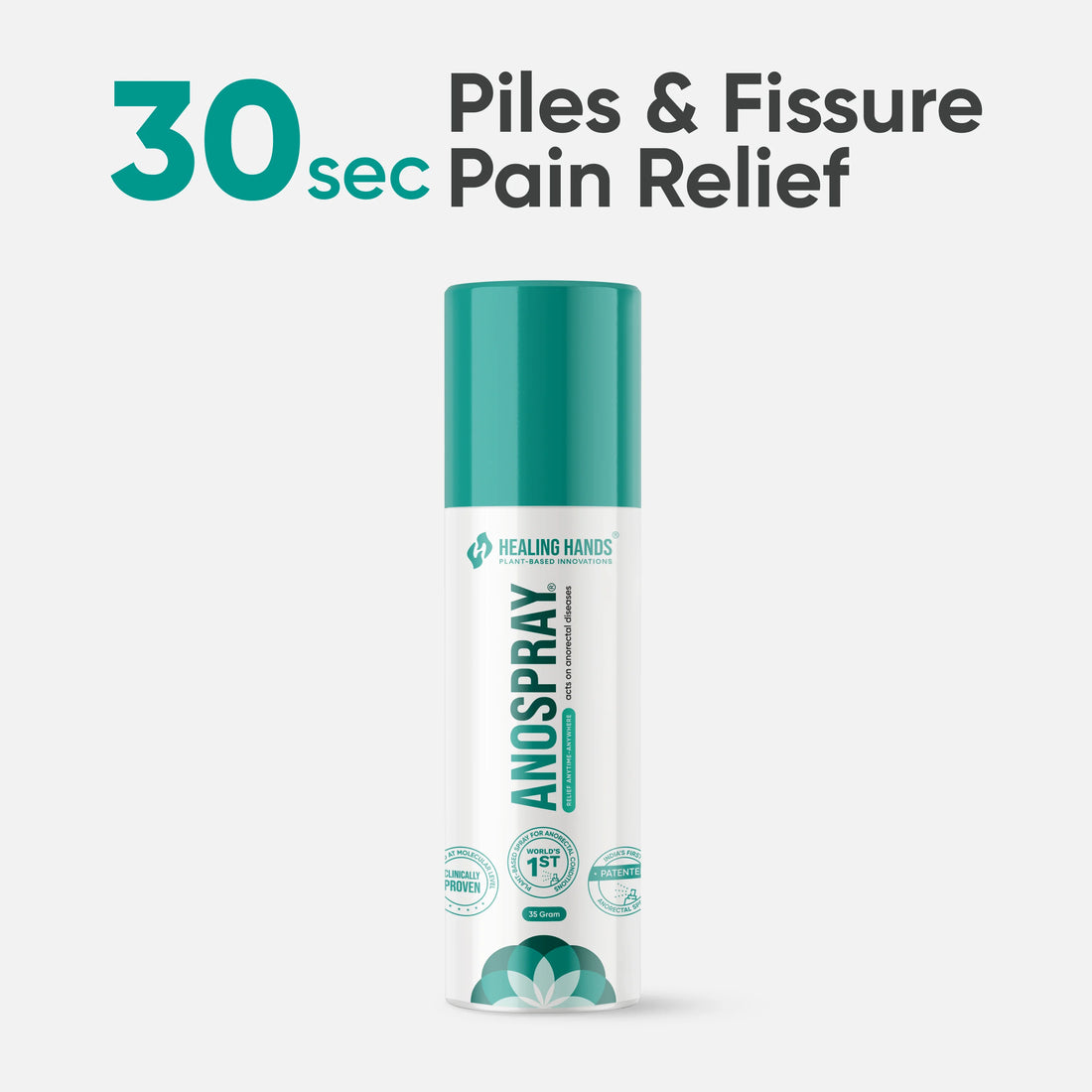
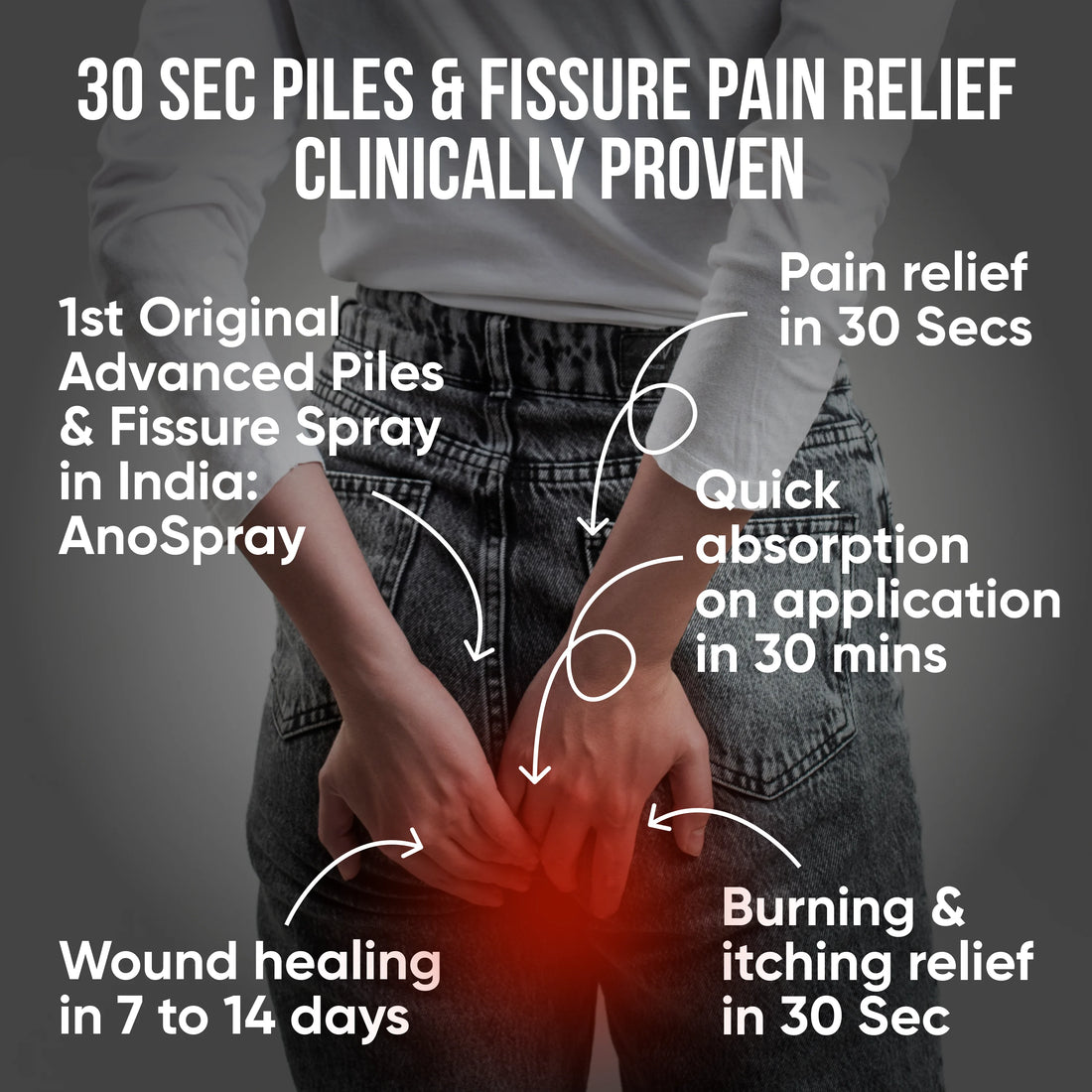
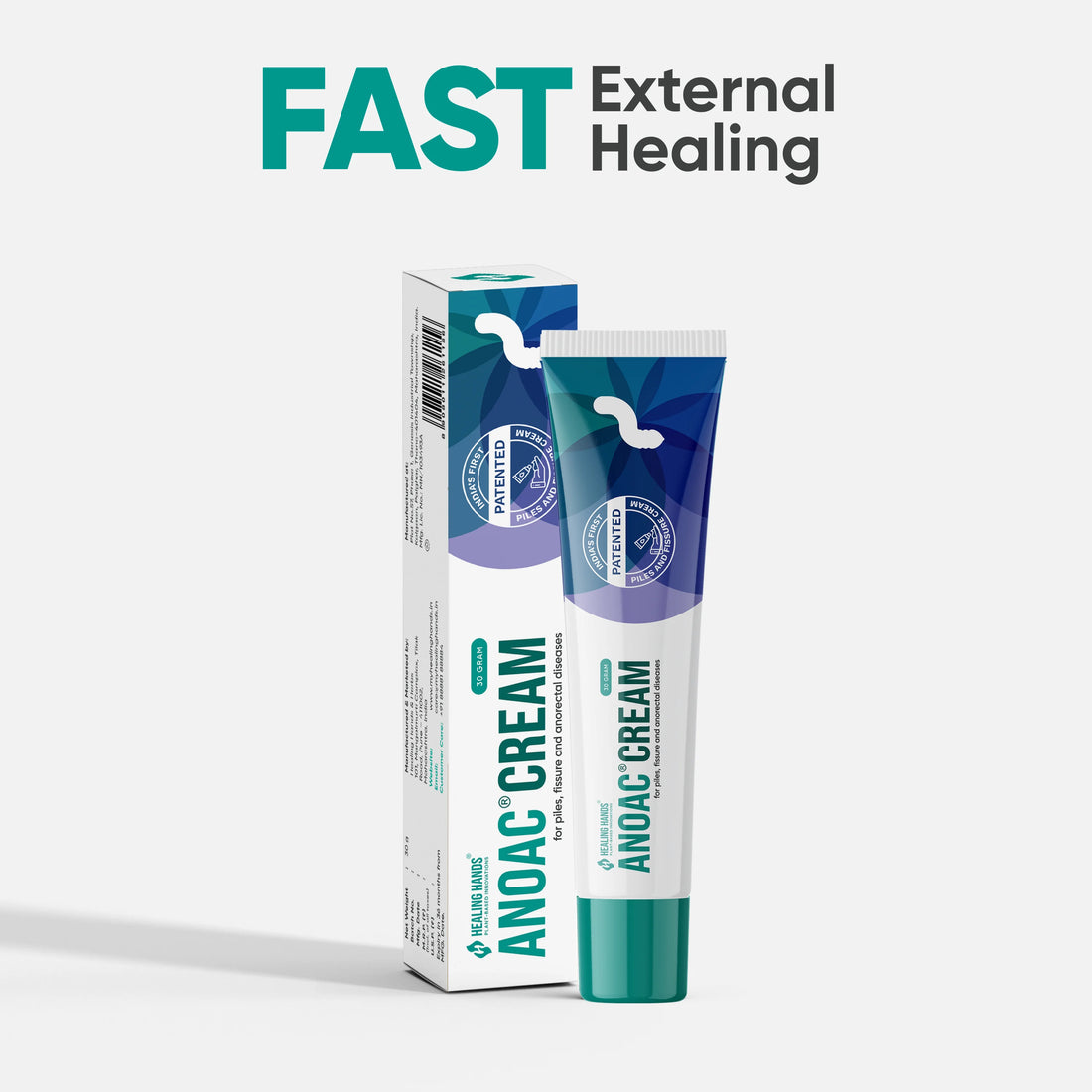
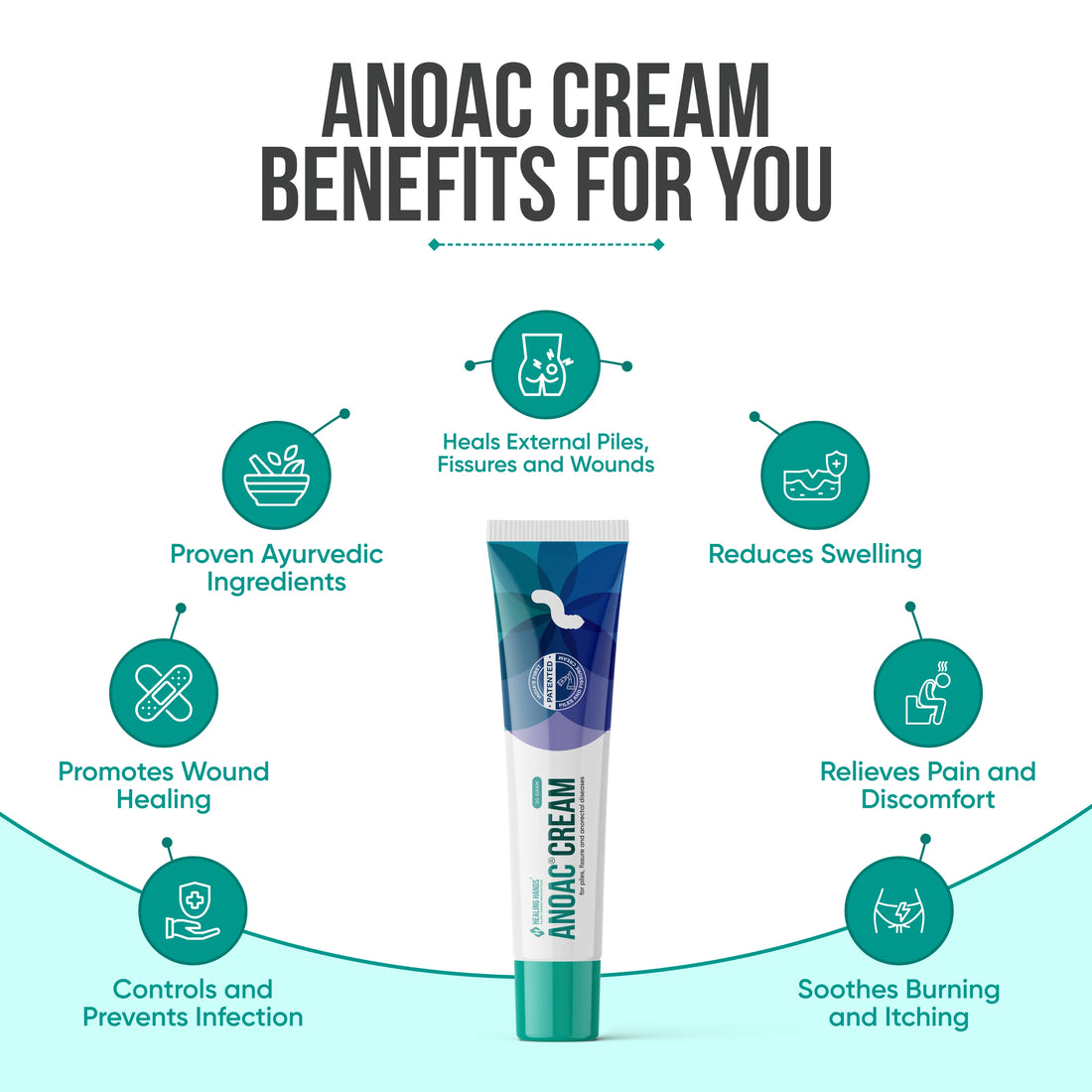
For those seeking proven, plant-based solutions that work alongside these lifestyle changes, Healing Hands FissureKit offers scientifically validated treatments that support natural healing and provide lasting comfort.
References
https://www.mayoclinic.org/diseases-conditions/anal-fissure/diagnosis-treatment/drc-20351430
https://my.clevelandclinic.org/health/diseases/13177-anal-fissures
https://pmc.ncbi.nlm.nih.gov/articles/PMC3207506/
https://www.medicalnewstoday.com/articles/how-to-cure-fissures-permanently-without-surgery
https://www.healthline.com/health/anal-fissure-treatment-at-home
https://pmc.ncbi.nlm.nih.gov/articles/PMC7173741/
https://fascrs.org/patients/diseases-and-conditions/a-z/anal-fissure
https://myhealinghands.in/products/fissurekit-pilospray-pilotab-constetab-15-dayspos=1&sid=240b74b60&_ss=r