


 Piles, Fissure & Fistula Medicines
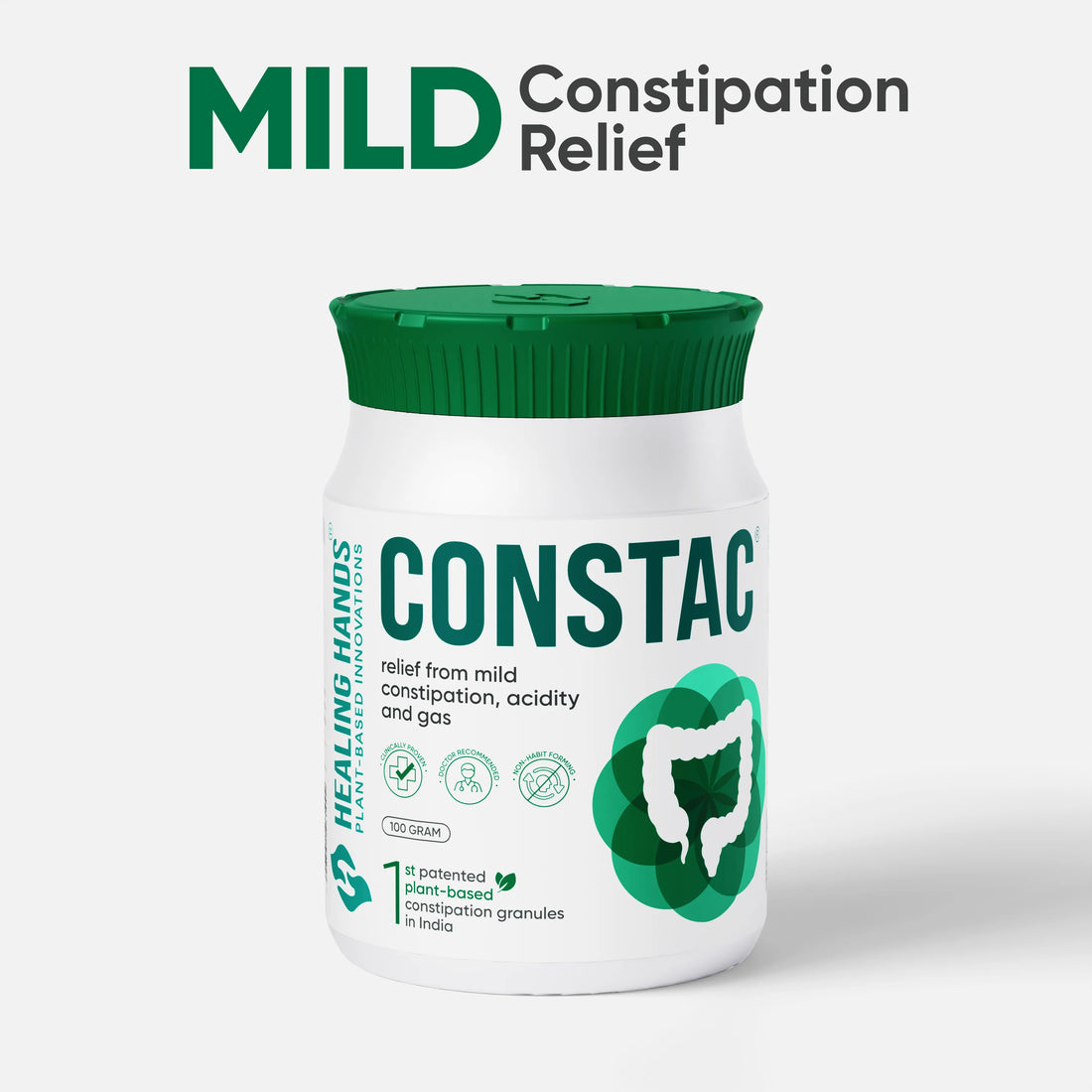
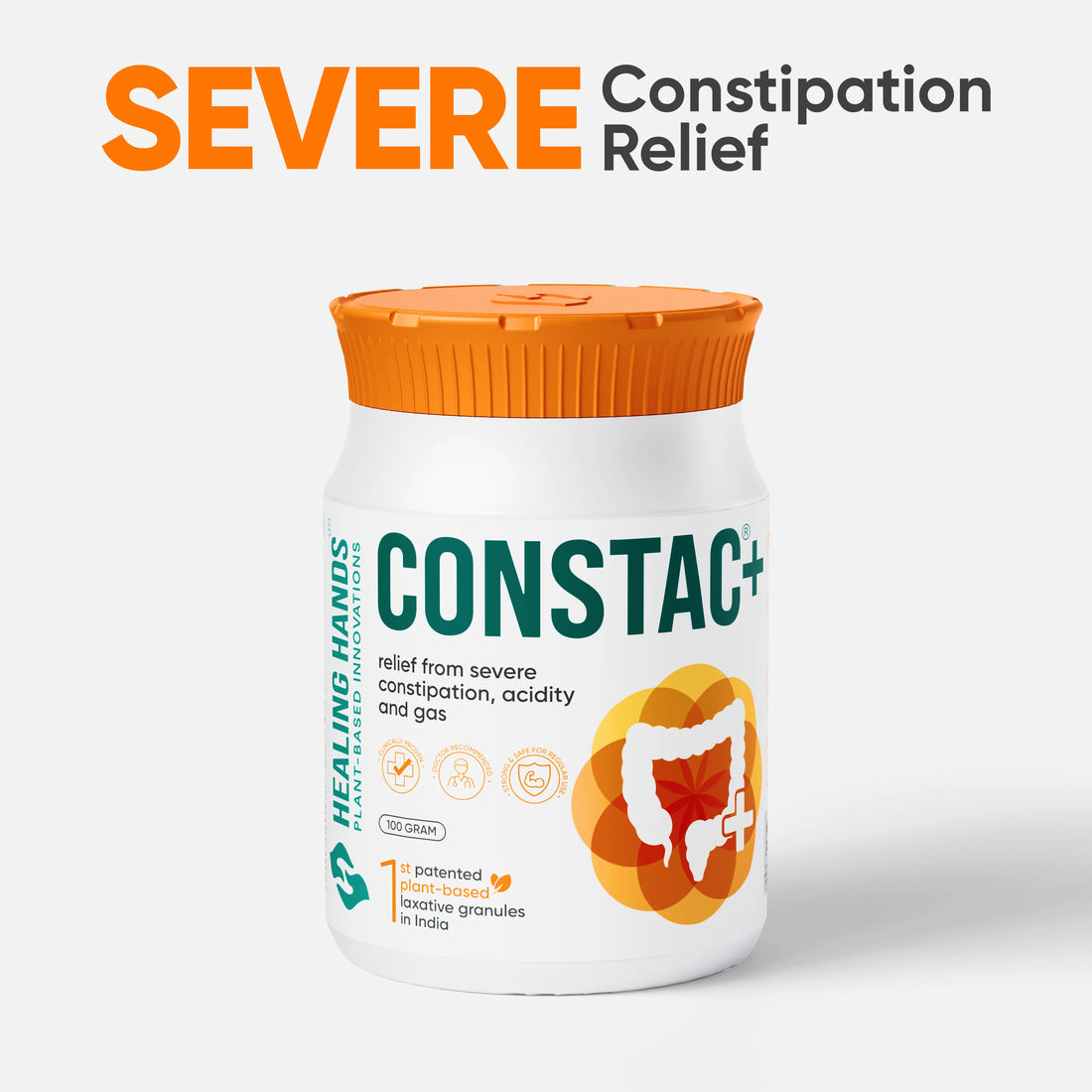
 Constipation Care
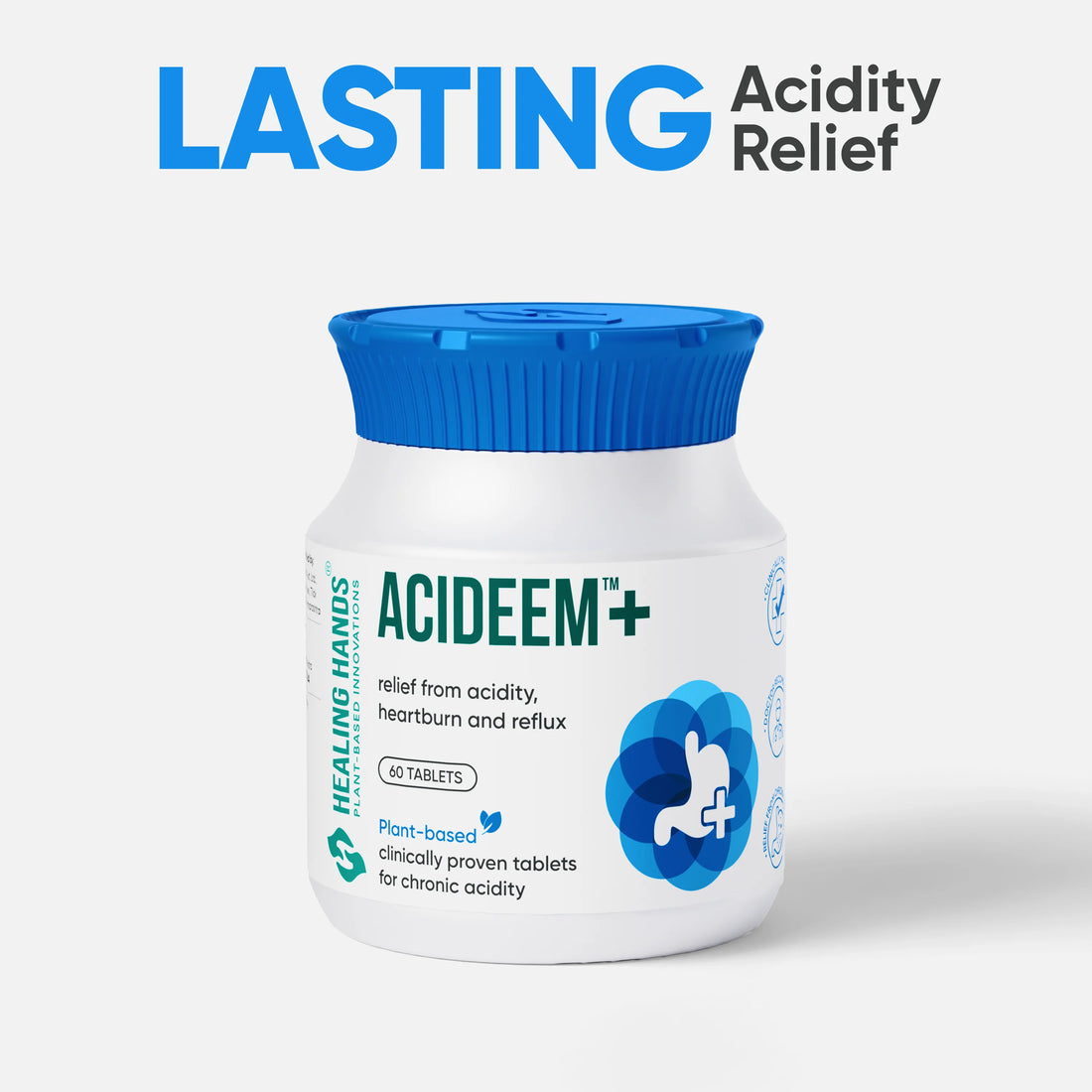
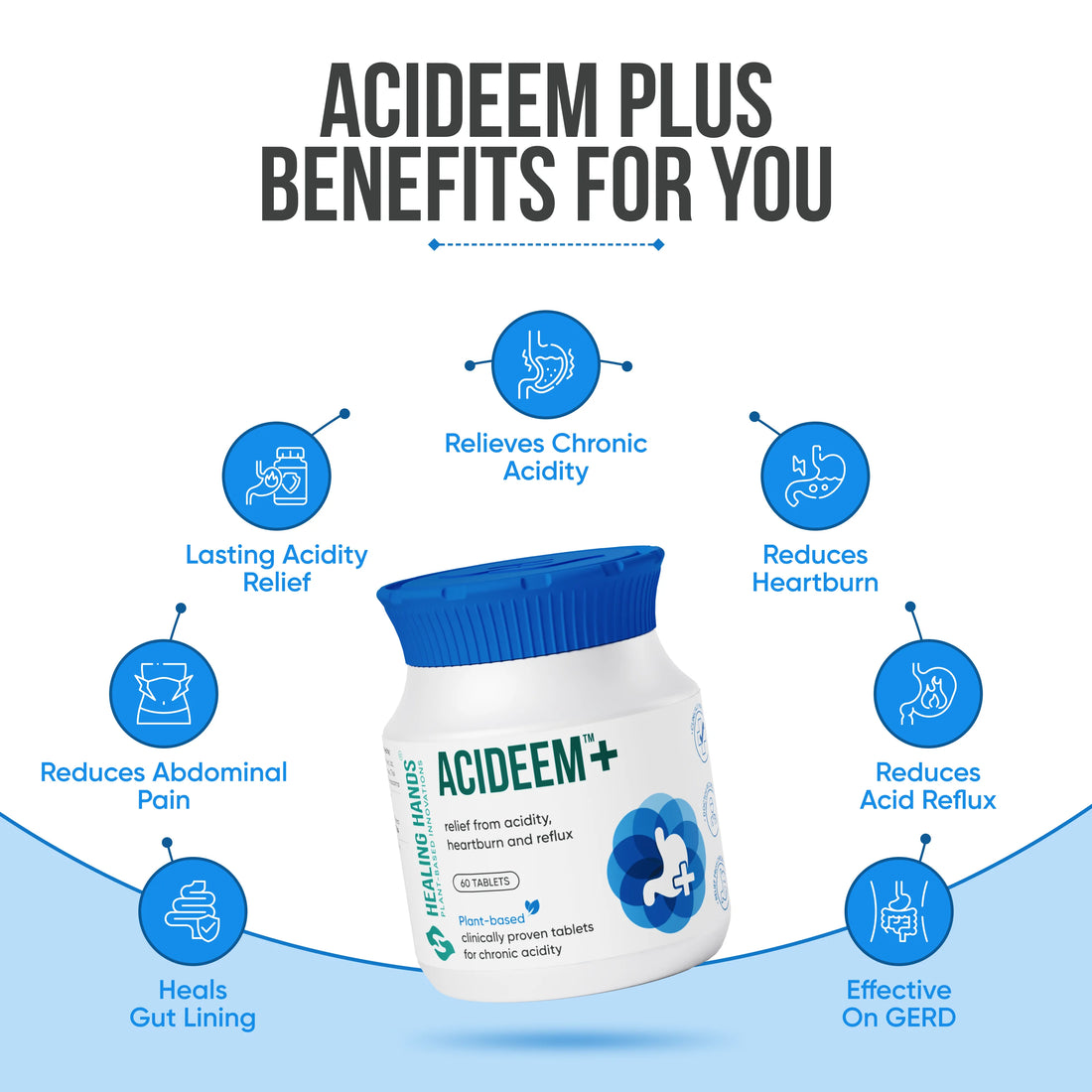
 Acidity Care
 IBS & Gut Health
 Healing with Turmeric


By Dr. Namita Ambike
BAMS, Consulting Physician
Healing Hands Clinic
Anorectal health is an essential component of overall well-being. Among the most common yet misunderstood conditions affecting the anal and rectal regions are piles, anal fissure, and anal fistula. This guide aims to shed light on these conditions, exploring their causes, symptoms, treatments, and impact on quality of life. By understanding the distinctions and similarities, you can make informed decisions about your health and treatment options.

Piles, fissure and fistula: A comprehensive comparative guide to anorectal health challenges
Understanding the nuances of piles, fissure, and fistula is essential to effectively addressing these common anorectal health challenges. Each condition affects the rectal and anal regions differently, necessitating targeted treatments.
What are Piles?
Piles, also known as hemorrhoids, are swollen veins in the rectal or anal area that result from excessive pressure. This pressure is often caused by factors like chronic constipation or prolonged straining during bowel movements. Piles symptoms can range from mild discomfort to severe pain, depending on the type and severity. They are classified into the following types:
-
Internal Hemorrhoids: Located inside the rectum, typically painless but may cause bleeding during bowel movements. Internal hemorrhoids are graded based on their severity and degree of prolapse (bulging out of the anal canal). The grading system is as follows:
- Grade I: Hemorrhoids remain inside the anal canal and do not prolapse. They may cause occasional bleeding but are not visible externally.
- Grade II: Hemorrhoids prolapse during bowel movements but retract on their own without manual assistance.
- Grade III: Hemorrhoids prolapse during bowel movements or physical activities and require manual reduction (pushing back) to return to their original position.
- Grade IV: Hemorrhoids are permanently prolapsed and cannot be pushed back into the anal canal. They may cause significant discomfort, bleeding, and potential complications like thrombosis.
- External Hemorrhoids: Found under the skin around the anus, often painful, swollen, and prone to irritation.
- Prolapsed Hemorrhoids: Internal hemorrhoids that protrude outside the anus, causing discomfort and requiring manual repositioning or medical intervention.
- Thrombosed Hemorrhoids: External hemorrhoids with a blood clot, leading to severe pain, swelling, and inflammation.
Common Piles Symptoms
The common piles symptoms include:
- Painful lumps in and around the anus
- Discomfort and itching around the anus
- Discomfort during and after passing stools
- Blood in stools
Causes of Piles
Common causes of piles include:
- Chronic constipation and straining during bowel movements
- Prolonged sitting or standing
- Pregnancy, which increases pressure on the pelvic veins
- Obesity, leading to increased abdominal pressure
- Heavy lifting and straining
How Constipation Leads to Piles?
Chronic constipation is a primary contributor to piles. When stools are hard or difficult to pass, it causes excessive straining, leading to increased pressure on the rectal veins. Understanding what causes constipation, such as low fibre intake, dehydration, or a sedentary lifestyle, is key to preventing piles.
Types of Constipation
Identifying the types of constipation can help address the root cause:
- Chronic Constipation: Long-term difficulty passing stools.
- Acute Constipation: Sudden, short-term episodes.
- Functional Constipation: Not linked to an underlying medical condition.
Piles treatment ranges from a medicine-first approach to advanced medical procedures. Initially, medications can help reduce symptoms such as pain, swelling, and discomfort. PiloKit Complete Piles Treatment Kit is often recommended for symptom relief and management. Each PiloKit contains:
- PiloSpray: Patented and molecularly validated plant-based PiloSpray Piles and Fissure Treatment Spray for external application to relieve pain, itching, and swelling.
- PiloTab: Molecularly validated and patented plant-based piles tablets for internal healing, bleeding and inflammation control.
- ConsteTab: Patented plant-based laxative tablets to relieve constipation, minimising strain during bowel movements.
In addition to medications, dietary modifications such as including fiber-rich foods, maintaining adequate hydration, and regular exercise play a vital role in managing piles. For severe or persistent cases, minimally invasive procedures like laser or stapler surgery may be required to ensure effective treatment. Always consult a doctor for tailored advice for advanced cases.
What is a Fissure?
Anal fissures, on the other hand, are cracks or tears in the anal lining. They cause sharp pain and burning, particularly during bowel movements, and may result in visible blood on the stool.
Symptoms of Fissure
Common anal fissure symptoms include:
- Intense pain and burning during and after bowel movements
- Bright red blood on the stool or toilet paper
- Itching and irritation around the anus
- A visible tear or crack near the anus in severe cases
Causes of Fissures
Anal fissure causes are linked to damage to the lining of the anus or anal canal, often triggered by:
- Passing hard stools, which can tear the delicate skin of the anus
- Chronic constipation or diarrhea, which places pressure on the anal canal
- Childbirth, which can lead to trauma during delivery
- Anal sex, which can cause trauma to the anal canal
Effective fissure treatment focuses on promoting healing and preventing recurrence. For mild cases, patients often use topical ointments, sitz baths and try making dietary adjustments for anal fissure treatment. However, early fissure treatment with proven and effective medicines is recommended to ensure faster recovery and symptom relief. FissureKit Complete Fissure Treatment Kit, India's first patented plant-based treatment kit offers a holistic solution for managing anal fissure effectively. It combines the power of three patented medicines for comprehensive care:
- PiloSpray: Patented and molecularly validated plant-based enhanced external fissure treatment spray for painful fissure cuts, providing soothing relief.
- PiloTab: Molecularly validated, patented and clinically proven fissure tablet to promote 3X faster internal healing.
- ConsteTab: Patented plant-based laxative tablet that relieves constipation to minimise discomfort during bowel movements and prevents strainin
It is recommended by top Indian doctors and trusted by lakhs of happy patients for its effectiveness. A 30-day course is recommended for optimal results. Recognising the signs a fissure is healing, such as reduced pain and irritation, is crucial for tracking recovery progress.
What is Fistula?
Fistulas are the most complex of the three conditions. An anal fistula is an abnormal connection between two body parts, commonly between the anal canal and the surrounding skin.
Types of Fistula
The most common types of fistulas are anal fistulas and female fistulas (which are also referred to as gynaecological or obstetric fistulas).
1. Anal Fistula
Anal fistula is an abnormal connection between the anal canal and the surrounding skin near the anus. They typically occur after an abscess in the anal glands and can be classified based on their relationship to the anal sphincters (the muscles that control bowel movements), their location, and their level of complexity: There are several types, with the most common being:
- Intersphincteric Fistula: This is the most common type of anal fistula. It occurs between the internal and external anal sphincters. The fistula tract typically passes through the muscle that separates these two sphincters, forming a connection between the anal canal and the surrounding skin.
- Transsphincteric Fistula: This type extends through both the internal and external anal sphincters. It is more complex and often involves a longer tract. Due to its involvement with the anal sphincters, this type of fistula is more challenging to treat.
- Suprasphincteric Fistula: This fistula passes above the sphincters and involves the tissue above the anorectal ring. This fistula type is less common and more difficult to treat due to its higher location, which may require surgery to preserve anal function.
- Extrasphincteric Fistula: An extrasphincteric fistula extends outside the anal sphincters and may involve pelvic organs. This type of fistula is rare and often associated with underlying conditions such as Crohn’s disease. Treatment usually requires extensive surgical procedures.
Classification Based on Location:
- High Fistulas: High fistulas extend above the level of the anal sphincters. These types of fistulas are often more complex and require advanced medical or surgical care.
- Low Fistulas: Low fistulas involve the lower part of the anal canal. These are typically simpler to treat because of their shorter and less complex tracts.
Other Classifications:
- Simple Fistulas: Simple fistulas consist of a straightforward, single tract and involve minimal complications. Simple fistulas are typically uncomplicated, meaning they do not branch off into multiple tracts, involve extensive tissue damage, or pass through critical structures like the anal sphincters
- Complex Fistulas: Complex fistulas involve branching tracts or multiple connections, which makes them significantly harder to treat. They may also be associated with underlying medical conditions.
2. Female Fistulas (Gynecological or Obstetric Fistulas)
Female fistulas are abnormal connections that involve the reproductive organs, such as the vagina, bladder, or rectum. These fistulas are usually caused by complications during childbirth, pelvic surgeries, or underlying medical conditions. These include:
- Vesicovaginal Fistula (VVF): A vesicovaginal fistula is an abnormal connection between the bladder and the vagina. This condition often results in the continuous leakage of urine from the bladder into the vagina.
- Rectovaginal Fistula (RVF): A rectovaginal fistula is a passage that connects the rectum and the vagina. It can cause stool to pass involuntarily through the vagina.
- Enterovaginal Fistula: An enterovaginal fistula connects the intestines and the vagina. This type of fistula can lead to the passage of gas or faecal matter through the vaginal opening.
Symptoms of Fistula
Fistula symptoms include:
- Persistent drainage of pus or blood from the anus
- Pain and discomfort around the anus
- Swelling or redness around the anus
- Recurrent infections
Causes of Fistula
Fistula can be caused by various factors, including:
- Infections: Anal abscesses are a common precursor to anal fistula.
- Crohn's Disease: A chronic inflammatory bowel disease that can cause fistula.
- Tuberculosis: A rare cause of fistula.
- Previous Surgeries: Fistula can sometimes form after surgeries involving the anal canal.
Anal fistula treatment often requires surgery, including fistulotomy or more advanced procedures for complex cases. FistulaKit Post-Surgery Anal Fistula Care Kit can play a crucial role in post-surgery care, aiding in faster recovery and reducing the risk of complications. In cases where surgery is not immediately possible, FistulaKit can be used to manage symptoms effectively. It integrates four key components:
- AnoSpray: A patented and molecularly validated anorectal spray formulated to alleviate pain, reduce swelling, and promote wound healing.
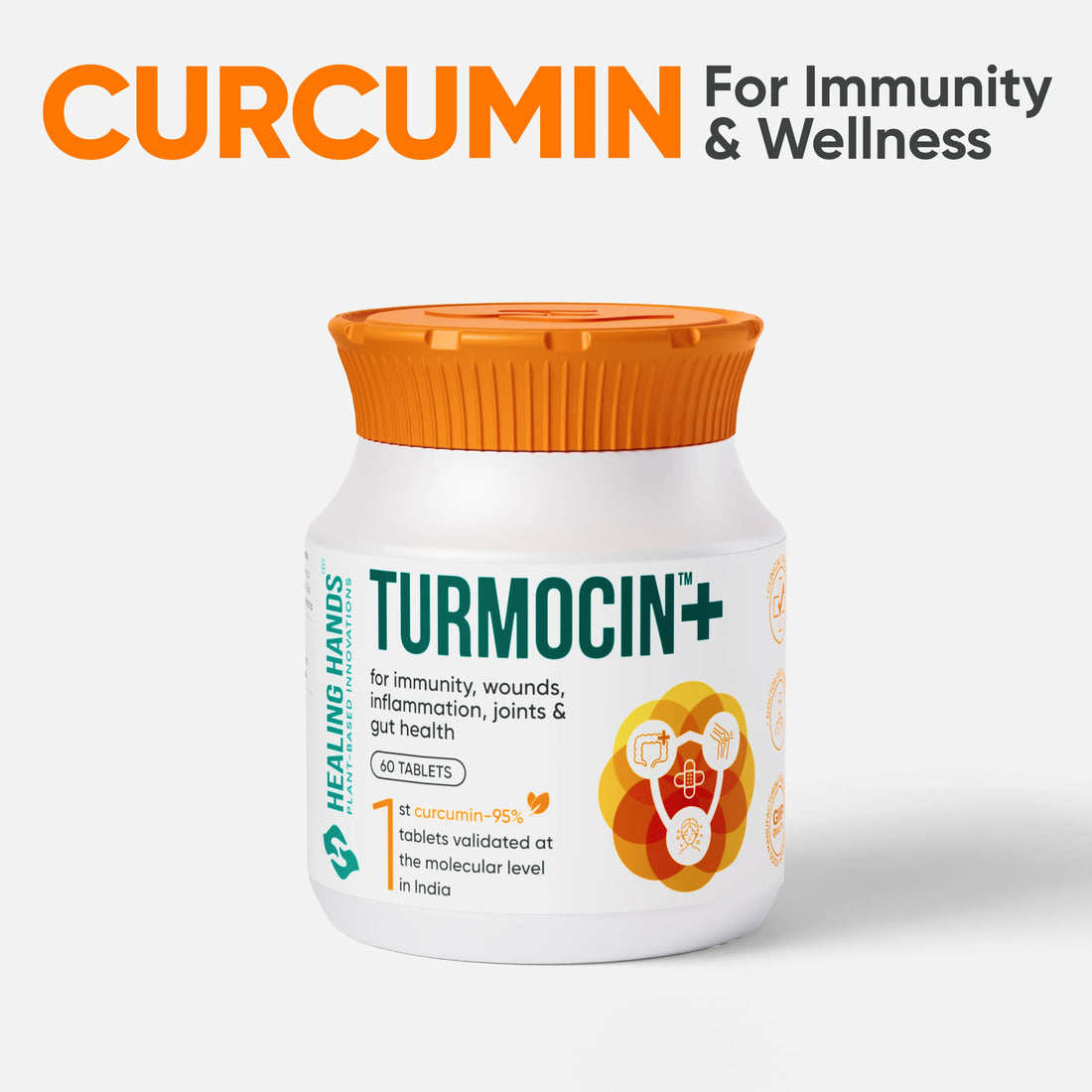
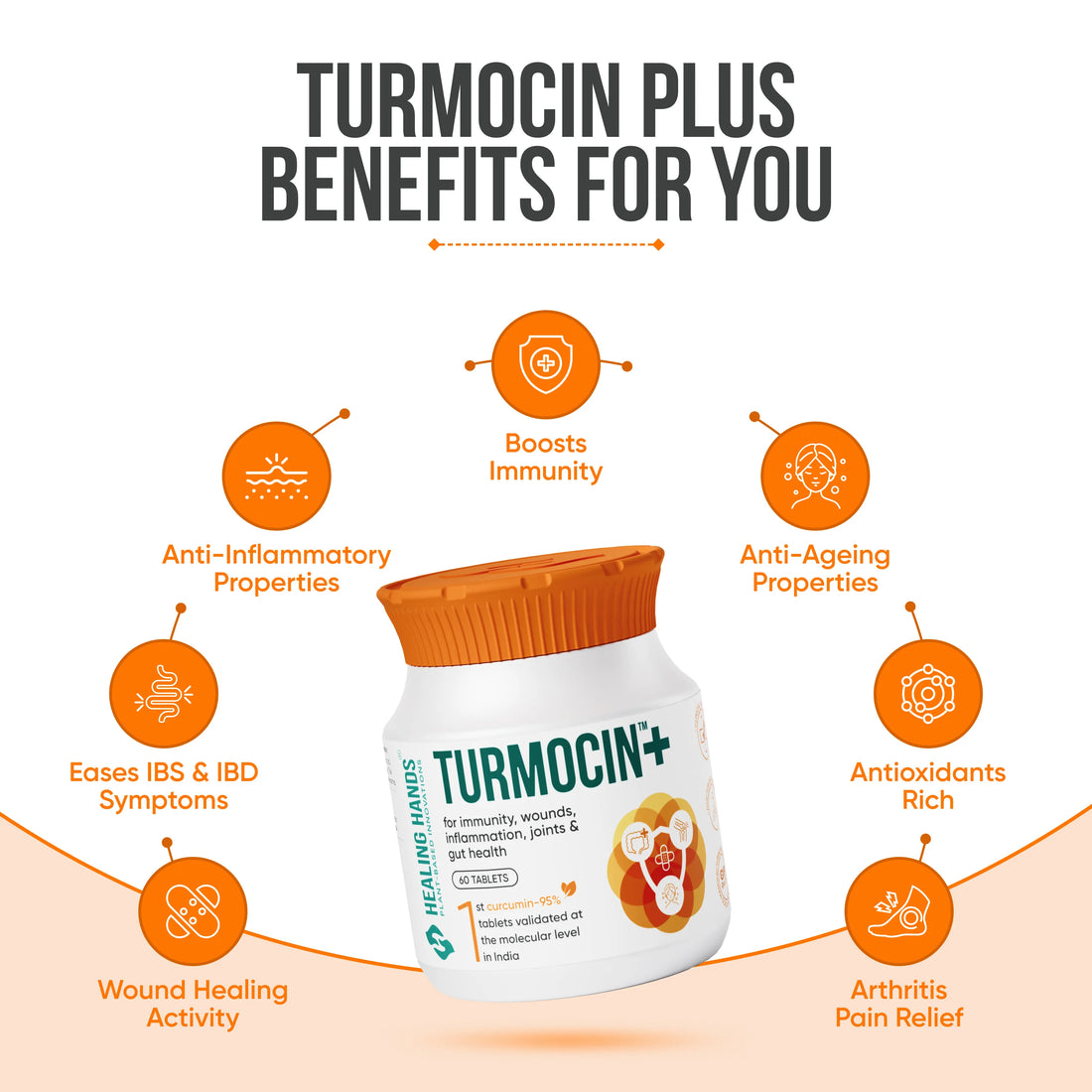
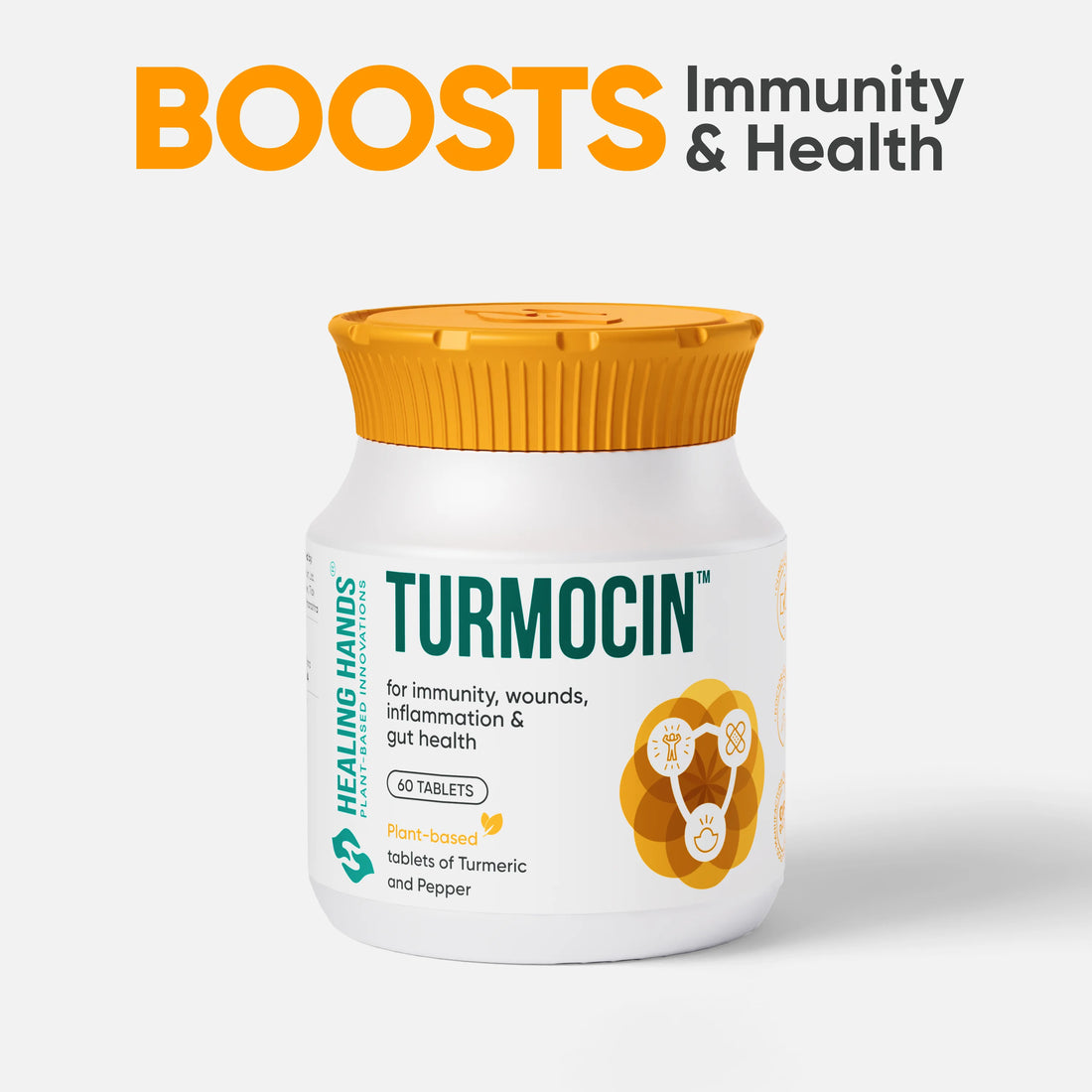
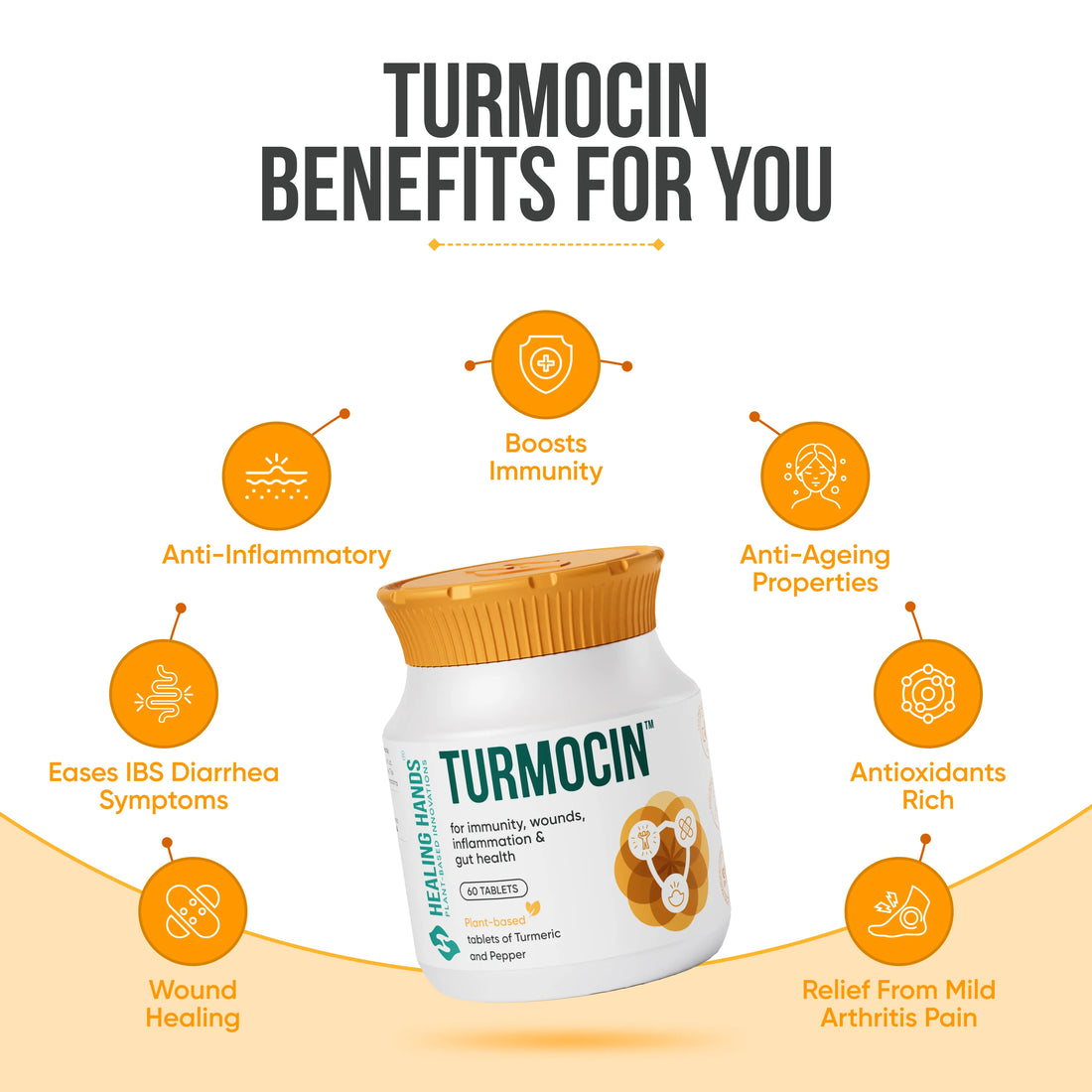
- Turmocin Plus: A molecularly validated curcumin tablet known for its anti-inflammatory properties, supporting tissue repair, wound healing, infection control, and inflammation reduction.
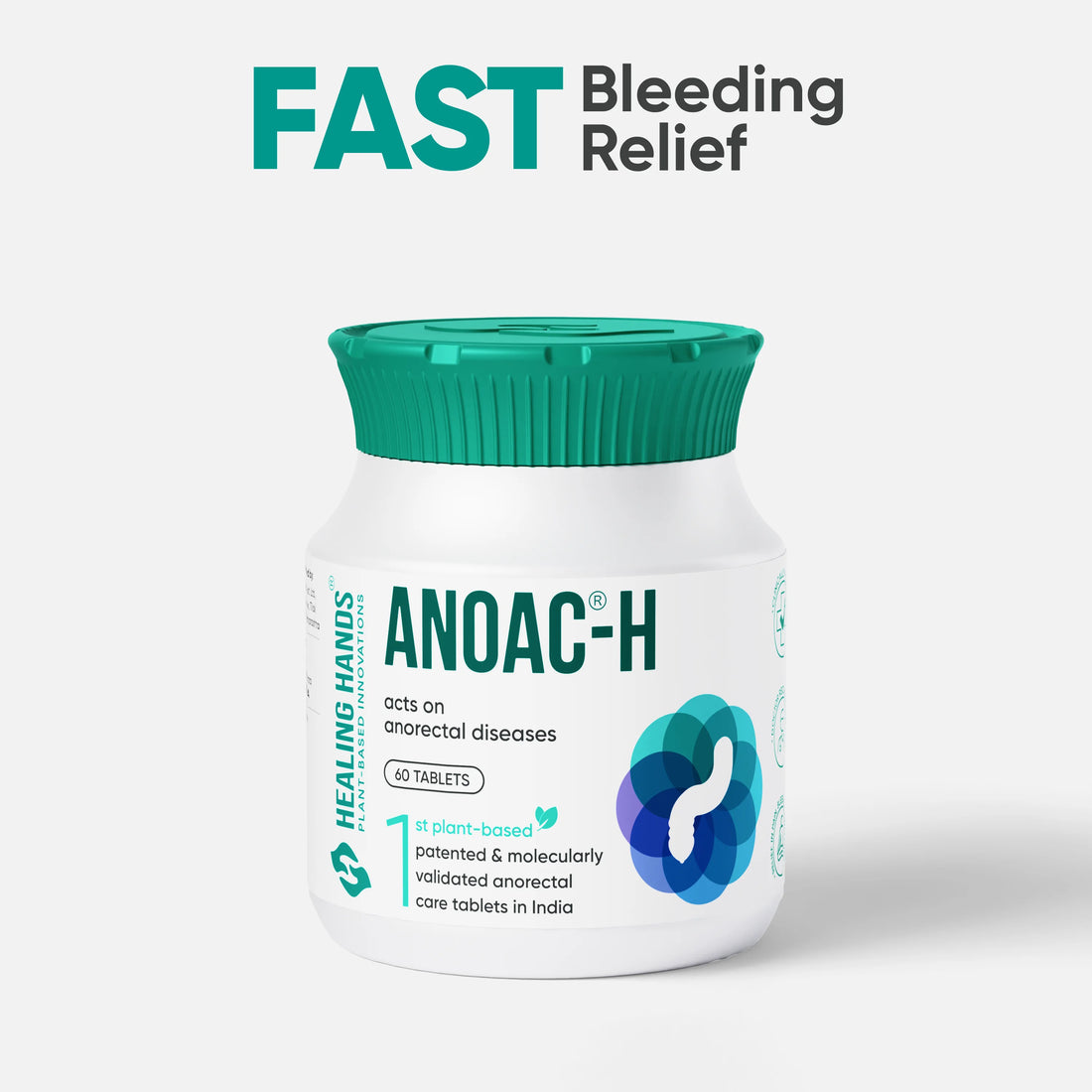
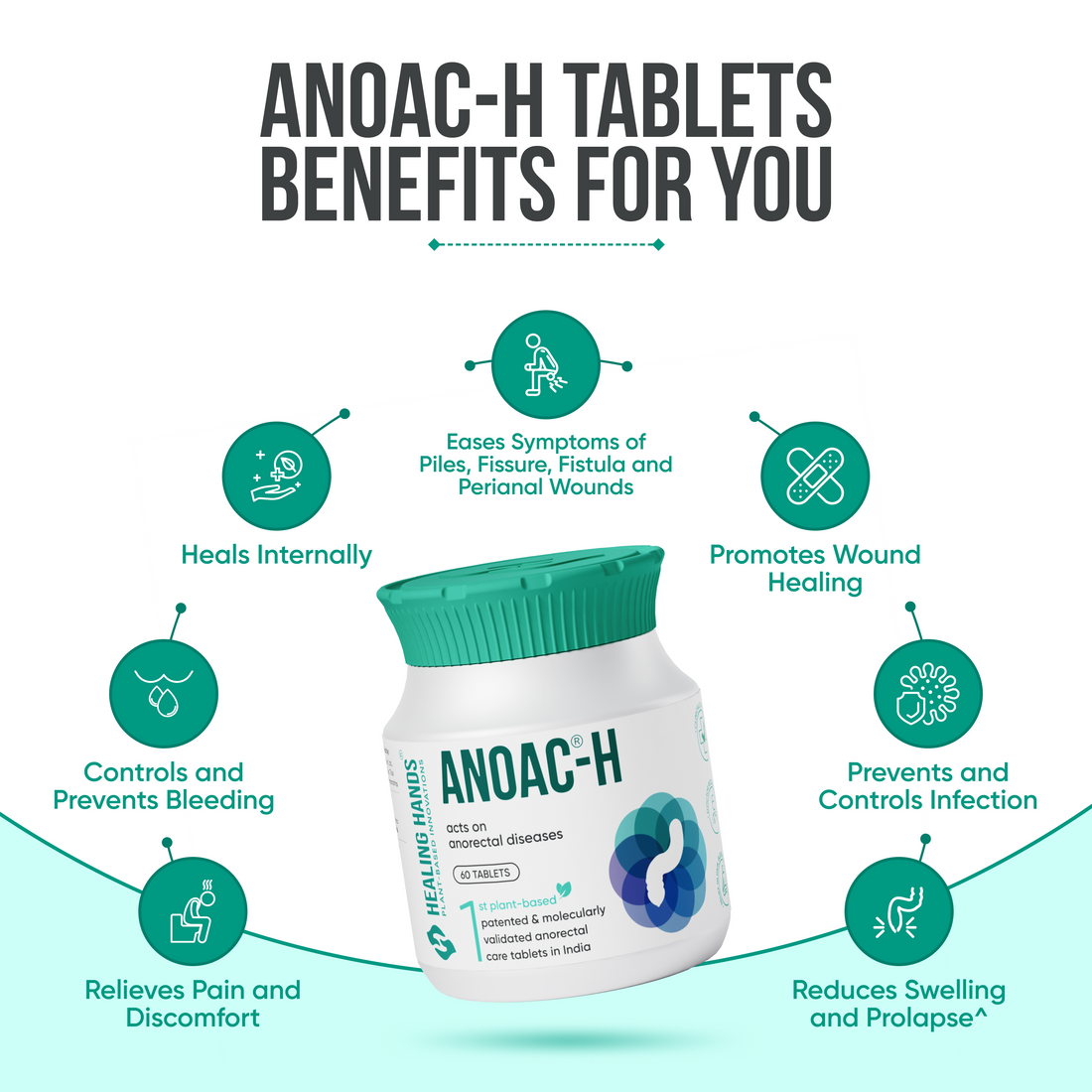
- Anoac-H: Patented and molecularly validated anorectal tablets designed to manage pain, swelling and bleeding and support overall healing
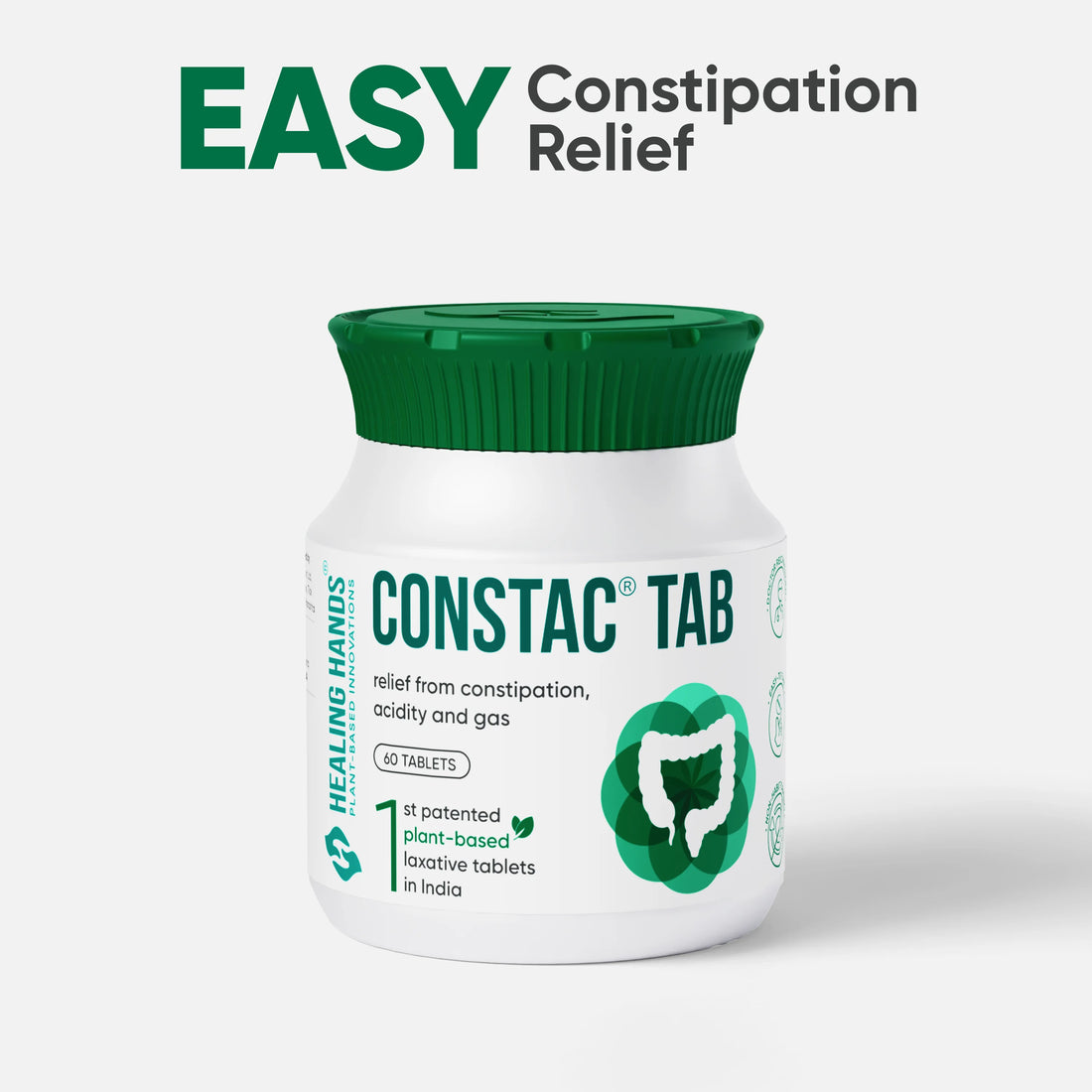
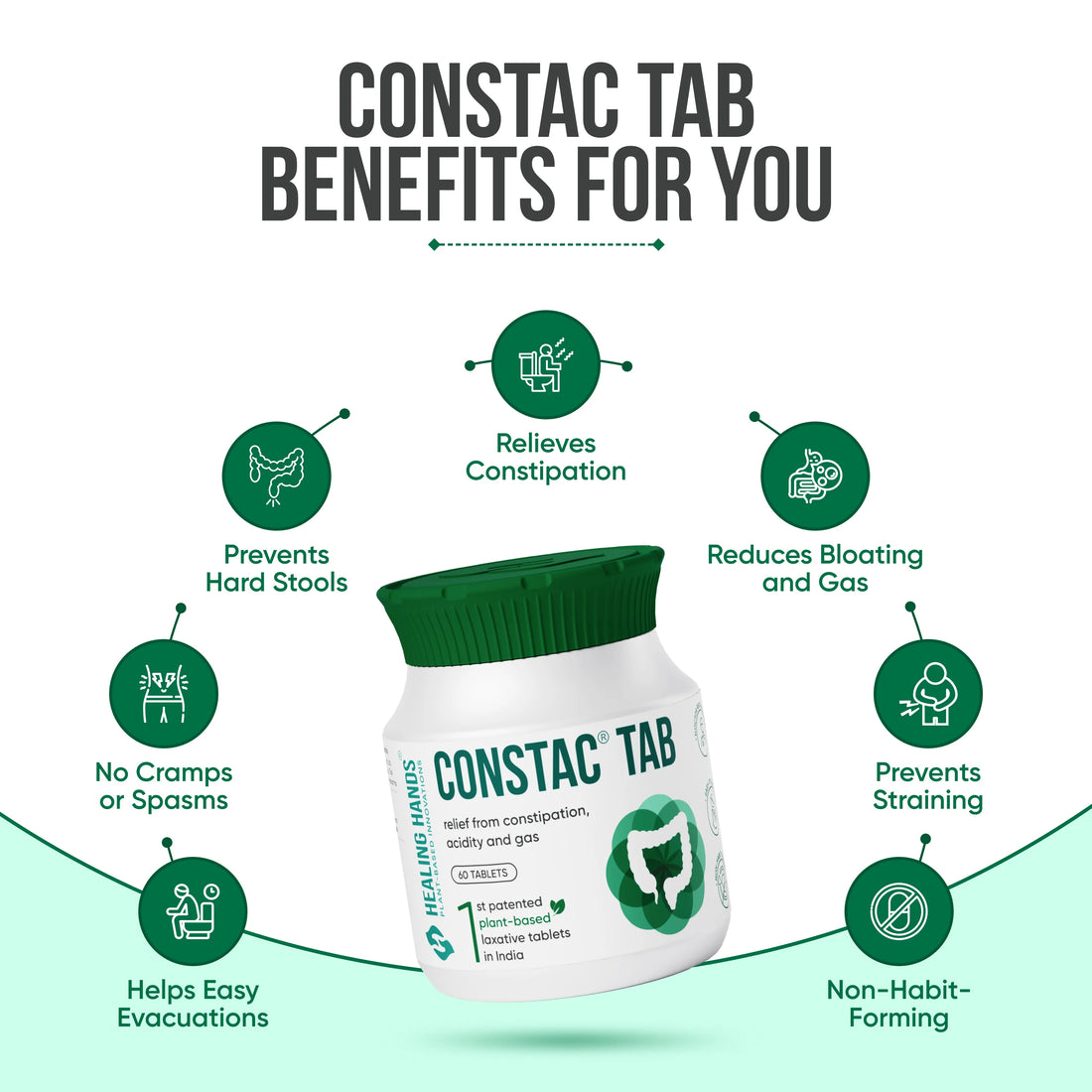
- ConstacTab: Patented laxative tablet ConstacTab for Constipation is aimed at regulating bowel movements, preventing constipation, and reducing strain during defecation.
This unique combination of patented and plant-based medicines enhances the healing process and improves the patient's quality of life.
| Feature | Piles | Fissure | Fistula |
|---|---|---|---|
| Cause | Swollen veins in the anal canal | Tear or cut in the anal lining | Abnormal connection between the anal canal and surrounding skin |
| Symptoms | Swelling, itching, pain, bleeding around the anus, | Sharp pain, bleeding especially during or after bowel movements | Persistent drainage, pain, recurrent infections |
| Location | Rectal veins (internal or external) | Anal canal lining | Anal canal to surrounding skin |
| Treatment Options | PiloKit Complete Piles Treatment Kitmedical treat mentdietary changes, laser surgery (Laser Hemorrhoidoplasty, LHP), Stapler surgery (Minimally Invasive Procedure for Hemorrhoids, MIPH) | FissureKit Complete Fissure Treatment Kit medical treatment, sitz baths, surgery (LIS) | FistulaKit Post-Surgery Anal Fistula Care Kit for post-surgery healing or when there is a delay in surgery, fistulotomy, advanced surgical techniques |
| Common Risk Factors | Constipation, pregnancy, obesity | Constipation, diarrhea, trauma | Infections, Crohn's disease, abscesses |
| Severity | Varies from mild to severe | Acute to chronic | Chronic, requires fistula surgery |
While these conditions share similarities, they differ in their causes, symptoms, and treatment approaches. Piles are primarily a vascular issue, fissure result from mechanical trauma, and anal fistula is often a consequence of infections.
Navigating the Spectrum of Treatment: Piles, Fissure, and Fistula
Digestive and anorectal health plays a crucial role in overall well-being, yet conditions like piles, anal fissures, anal fistula, and chronic constipation can disrupt daily life. It is important to understand how to overcome these challenges by understanding the condition, their interconnections, and actionable solutions to regain control of your health.
How Does Constipation Lead to Digestive and Anorectal Problems?
Chronic constipation disrupts the natural rhythm of the digestive system, leading to increased straining during bowel movements. It is essential to understand what causes constipation and address its root issues to prevent these related digestive and anorectal complications.
Constipation refers to infrequent, difficult-to-pass stools often caused by dehydration, low fiber intake, or inactivity. Constipation is a common digestive issue that often serves as a precursor to conditions like piles, fissure, and fistula.
Occurrence of constipation: Prolonged sitting, a poor, low-fiber diet, dehydration, or medical conditions are common reasons for constipation, which can disrupt regular bowel movements. Impact of constipation on digestive health
Chronic constipation can lead to complications, such as:
- Piles symptoms such as swelling, pain, and itching
- Tears in the anal lining, resulting in anal fissure symptoms like sharp pain, burning and bleeding
- Recurrent infections causing anal fistula, with several fistula types ranging from simple to complex fistula

How piles, fissure and fistula are connected?
Though distinct conditions, piles, anal fissure and anal fistula share a common link through factors like constipation, excessive straining during bowel movements, and poor anal hygiene. These interconnections highlight how one condition can lead to or exacerbate another, creating a cycle of discomfort and complications if left untreated.
1. Piles and Straining:
- Excessive strain during bowel movements causes veins in the rectal area to swell, leading to piles symptoms like itching, discomfort, and bleeding.
- Our PiloKit Complete Piles Treatment Kit is a plant-based piles spray treatment kit with the power of three patented medicines – the World’s 1st spray PiloSpray and tablets PiloTab and ConsteTab.
2. Anal Fissure and Hard Stools:
- Hard stools caused by constipation create tears in the anal lining, triggering anal fissure symptoms.
- Delays in addressing anal fissure causes can hinder the fissure healing.
- Our FissureKit Complete Fissure Treatment Kit is clinically proven to heal fissures 3X faster externally and internally, and provides burning and pricking relief after motion.
3. Development of Fistula:
- Chronic infections or abscesses due to poor stool elimination can lead to anal fistula.
- Specific conditions like female fistula may occur after childbirth.
- Understanding why fistula occurs and recognising different fistula types helps in proper diagnosis and anal fistula treatment.
- Treat anal fistula with FistulaKit Post-Surgery Anal Fistula Care Kit, which provides better post-surgery recovery, reducing complications for a smoother healing process. It can also be used when there is a delay in surgery to reduce symptoms.
By integrating Healing Hands medicines into your care regimen, managing constipation-related anorectal conditions becomes not just effective but also convenient. These solutions ensure relief from discomfort while promoting long-term digestive and anorectal health.
Did you know?
- Piles don’t always cause pain: While piles can bleed, they often don’t hurt, especially in the early stages. This is a key difference between fissures and fistulas.
- Fissures are a warning sign: A fissure can be an early sign of other anal issues, including the development of fistulas, if not properly treated.
- Piles can be hereditary: Family history plays a significant role in the development of piles, while fissures and fistulas are more commonly related to injury or infection.
- Fistulas often involve abscesses: Fistulas typically start from an abscess (a pus-filled cavity) that doesn’t heal, creating a persistent tunnel-like infection.
- Fissures are more common in young adults: Fissures tend to affect younger individuals more than piles or fistulas, which are more common in adults and older populations.
Breaking the Myths: What You Need to Know
| Myths | Facts |
|---|---|
| Piles always require surgery. | Most cases are managed with lifestyle changes and medication such as PiloKit. |
| Fistulas heal on their own | Surgical intervention is usually required. |
| Spicy food causes fissures. | Spicy food irritates existing fissures but doesn’t directly cause them. |
| Piles are only for the elderly. | Piles are only for the elderly. They can affect people of all ages, especially with sedentary lifestyles. |
Surprising Triggers Behind Piles, Fissure, and Fistula
- Piles: Prolonged sitting, excessive straining, hereditary predisposition, obesity.
- Fissures: Stress-induced muscle tension, severe constipation, chronic diarrhea, low blood flow to the anal area.
- Fistulas: Recurrent abscesses, Crohn’s disease, and previous rectal surgeries.
Piles vs. Fissure: Understanding the Difference
Piles and fissure are distinct conditions that affect the anal and rectal regions, but they are often confused due to overlapping symptoms of fissure and piles. For accurate diagnosis and effective treatment, it is important to understand their differences.
Piles
- Piles, or hemorrhoids, occur due to swollen veins in the rectum or anus. They can be internal, developing inside the rectum, or external, located under the skin around the anus.
- Piles symptoms include bleeding during bowel movements, itching, and a feeling of discomfort or fullness in the anal area.
- Piles are primarily caused by increased pressure in the rectal veins, often resulting from straining during bowel movements, prolonged sitting, or pregnancy.
- Piles treatment options range from conservative measures like dietary changes, applying piles cream and taking piles tablets to comprehensive treatment like PiloKit Complete Piles Treatment Kit. Advanced interventions like laser treatment or stapler surgery may be required for advanced cases.
Fissure
- Anal fissures, on the other hand, are tears in the lining of the anal canal. They are usually caused by passing hard stools, constipation, or frequent episodes of diarrhea.
- The primary symptom of an anal fissure is sharp, severe pain during bowel movements, often accompanied by visible blood on the stool or toilet paper.
- Unlike piles, fissures are not related to vein swelling but are instead a result of mechanical trauma to the anal lining.
- Medical treatment may require fissure surgery, such as lateral internal sphincterotomy, to alleviate muscle tension and promote healing. While surgery is effective, fissure treatment at home with FissureKit Complete Fissure Treatment Kit can help in several cases. Remedies like warm sitz baths, dietary changes, and topical fissure spray or fissure creams are common fissure remedies.
- Fissure prevention can also be achieved by adopting a healthy, fiber-rich diet and avoiding prolonged sitting on the toilet.
| Feature | Piles | Fissure |
|---|---|---|
| Cause | Vein swelling | Tear in the anal lining |
| Treatment | PiloKit Complete Piles Treatment Kit , laser and stapler surgery | FissureKit Complete Fissure Treatment Kit, Ointments, laser surgery |
| Risk Factors | Obesity, constipation, pregnancy | Constipation, diarrhea, hard stools |
| Prevention | Fiber-rich diet, hydration | Avoid straining, maintain hygiene |
While both piles and fissure can cause bleeding, the nature of the bleeding differs. Piles typically cause bright red blood that drips into the toilet bowl, whereas fissure is painful specially during bowel movement and results in streaks of blood on the stool or toilet paper. Additionally, piles may cause a protruding mass or lump, which is not a feature of fissure.
By understanding the differences between piles and anal fissure, individuals can seek appropriate medical advice and treatment, ensuring better management and recovery.
Fissure vs. Fistula: What's The Connection?
Although anal fissure and anal fistula both affect the anal region, they are fundamentally different conditions with distinct causes, symptoms, and treatment approaches.
What Is a Fissure?
- Anal fissure is a small tear in the lining of the anal canal. They are usually caused by mechanical trauma, such as passing hard stools, episodes of diarrhea or experiencing chronic constipation. Anal fissure symptoms include sharp pain during bowel movements, visible bleeding, and a burning sensation.
- Fissures are often acute and heal with conservative treatments, such as FissureKit Complete Fissure Treatment Kit, India's first patented plant-based spray treatment kit for fissure, sitz baths, topical medicines, and dietary adjustments.
- Chronic fissure, however, may require surgical intervention to relieve muscle tension and promote healing. A medicine-first approach can be considered to treat fissure with FissureKit Complete Fissure Treatment Kit which may relieve symptoms and help in healing. If the condition persists, surgery is recommended.
What Is a Fistula?
- Anal fistula, on the other hand, are abnormal connections between two body parts, commonly the anal canal and surrounding skin
- They typically result from infections, abscesses, or underlying conditions like Crohn’s disease.
- Fistula symptoms include persistent drainage of pus or blood, pain, and recurrent infections.
- Unlike fissure, fistula is a chronic condition that requires surgical treatment, such as fistulotomy or more advanced procedures for complex cases.
| Feature | Fissure | Fistula |
|---|---|---|
| Definition | Tear in the anal lining | Abnormal connection between organs |
| Symptoms | Pain, bleeding | Pus & blood drainage, recurrent infections |
| Causes | Constipation, diarrhea | Infections, Crohn’s disease |
| Treatment | Complete Fissure Treatment Kit medical treatment, fissure spray, ointments, Lateral internal sphincterotomy (LIS) surgery | Post-Surgery Anal Fistula Care Kit for post-surgery healing or when there is a delay in surgery, fistulotomy, or advanced surgical techniques. Fistulotomy, Distal Laser Proximal Ligation (DLPL), seton placement, LIFT surgery. |
| Severity | Less severe, often acute | Chronic, can become complex |
The connection between anal fissure and anal fistula lies in the complications that can arise from untreated fissure. Persistent or deep fissures may lead to infections, which can, in turn, result in the formation of abscesses and, eventually, fistulas. Additionally, both conditions share common risk factors, such as constipation and inflammatory bowel disease.
Treatment strategies for fissure and fistula differ significantly. While fissure responds well to conservative measures, fistula almost always requires surgical intervention. By recognising the distinctions and understanding the potential progression from fissure to fistula, you can take proactive steps to maintain your digestive health and prevent severe complications.
Piles, Fissure, and Fistula: A Comparative Analysis
Though piles, anal fissure, and anal fistula are distinct conditions, they share a common link: their impact on the anal region is often aggravated by chronic constipation and straining during bowel movements. Despite their prevalence, these conditions are often misunderstood, leading to delays in diagnosis and appropriate care.
Understanding the Causes
While all three conditions share overlapping risk factors, such as straining and poor dietary habits, their root causes differ:
1.Piles:
- Caused by increased pressure on the anal veins due to chronic constipation, obesity, pregnancy, or prolonged sitting.
- Addressing what causes constipation and managing reasons for constipation can help reduce the risk of piles.
2.Anal Fissure:
- Result from a tear in the anal lining caused by passing hard stools, severe diarrhea, or excessive straining.
- Low fiber intake and dehydration are common anal fissure causes.
3.Anal Fistula:
- Develop due to an untreated abscess leading to an abnormal connection between the anal canal and skin.
- Underlying fistula causes include infections, trauma, or conditions like Crohn’s disease.
Comparing Symptoms
Identifying the symptoms is key to differentiating these conditions:
| Symptom | Piles | Anal Fissure | Anal Fistula |
|---|---|---|---|
| Pain | Mild to severe discomfort | Sharp pain during defecation | Persistent, throbbing pain |
| Bleeding | Bright red during stools | Bright red spotting on tissue | Discharge with blood and pus |
| Swelling/Lumps | External or internal lumps | Rare | Swelling with possible pus |
| Discharge | Rare | None | Frequent pus or blood discharge |
Key Differences and Overlapping Factors
While piles, fissure, and fistula share some common risk factors—such as chronic constipation and inflammatory bowel disease—their pathophysiology and management strategies differ significantly. Piles are primarily vascular, fissures are mechanical injuries, and fistulas are infectious or pathological in nature.
| Feature | Piles | Fissure | Fistula |
|---|---|---|---|
| Location | Rectal veins | Anal lining | Between the anal canal and skin |
| Pain Level | Mild to moderate | Severe during bowel movements | Chronic pain and drainage |
| Long-term Impact | Manageable with treatment | Can recur without lifestyle changes | Requires surgery in most cases |
| Diagnostic Tools | Proctoscopy | Visual examination, manometry | MRI, endoanal ultrasound |
| Treatment Options | PiloKit Complete Piles Treatment Kit medical treatment, dietary changes, Laser surgery (Laser Hemorrhoidoplasty, LHP), Stapler surgery (Minimally Invasive Procedure for Hemorrhoids, MIPH) | FissureKit Complete Fissure Treatment Kit medical treatment, sitz baths, surgery (LIS) | FistulaKit Post-Surgery Anal Fistula Care Kit for post-surgery healing or when there is a delay in surgery, fistulotomy, advanced surgical techniques like DLPL, LIFT |
Why Differentiating Matters?
Misdiagnosing one condition for another can delay effective treatment. For example:
- Treating anal fissure with only lifestyle changes may not address the persistent pain.
- Misunderstanding fistula as piles can result in untreated infections, worsening the condition.
- Ignoring the impact of constipation can perpetuate symptoms across all three conditions.
By understanding these distinctions, patients and healthcare providers can take targeted steps for effective diagnosis, prevention, and recovery.

Which is Worse: Piles, Fissure, or Fistula? A Detailed Analysis of Severity and Impact on Quality of Life
Understanding the severity, impact on quality of life, and long-term effects of piles, anal fissure, and anal fistula is crucial for identifying the appropriate treatment and managing these conditions effectively.
Severity Comparison
1. Piles:
- Severity: Often mild to moderate but can escalate to severe pain and discomfort if thrombosed.
- Symptoms: Bleeding during bowel movements, itching, and visible lumps near the anus.
- Progression: Usually manageable with lifestyle changes unless chronic constipation persists.
2. Anal Fissure:
- Seveirty: Acute fissure causes sharp pain during defecation, while chronic fissure may lead to recurring pain and difficulty in healing.
- Symptoms: Pain, bleeding, and burning sensations during or after bowel movements.
- Chronic Stage: Requires advanced fissure treatment like sphincterotomy.
3. Anal Fistula:
- Severity: Generally, the most severe of the three conditions due to the risk of infections and complications.
- Types of Fistula: Includes simple and complex fistulas, with the latter being harder to treat.
- Symptoms: Persistent pain, pus discharge, and swelling, often affecting daily activities.
- Causes: Untreated infections or abscesses; understanding why fistula occurs helps in early diagnosis.
Therefore, anal fistulas are often the most severe due to their complex nature and potential for recurrent infections.
Impact on Quality of Life
Living with piles, anal fissure, or anal fistula can significantly affect an individual's daily routine, emotional well-being, and social interactions. The pain during bowel movements, persistent discomfort, and need for frequent medical attention can make even the simplest activities challenging, diminishing the overall quality of life.
1. Piles:
- Pain, bleeding, and swelling can cause significant discomfort while sitting or walking.
- Chronic constipation worsens symptoms, impacting daily routines.
- Treating what causes constipation and improving diet can alleviate symptoms.
2. Anal Fissure:
- Intense pain can lead to anxiety about passing stools, resulting in withholding and worsening symptoms.
- Poor healing can further reduce mobility and increase stress.
- Monitoring signs a fissure is healing ensures effective recovery.
3. Anal Fistula:
- Persistent pain and foul-smelling discharge can affect social interactions and mental health.
- Female patients with female fistulas may experience additional complications due to their anatomical structure.
- Surgical interventions can temporarily impact mobility and quality of life.
Therefore, anal fissure and anal fistula have a more significant impact on daily life compared to piles, especially if left untreated.
Long-Term Effects
While piles, anal fissure, and anal fistula may start as manageable conditions, their potential long-term consequences highlight the importance of timely and effective treatment.
1. Piles:
- Long-term risks include prolapsed piles and thrombosis, requiring surgical intervention.
- Ignoring piles symptoms can lead to chronic pain and bleeding.
2. Anal Fissure:
- Chronic fissure may lead to scar tissue formation and the development of sentinel tags.
- Delayed treatment for anal fissure can cause further complications, making healing difficult.
3. Anal Fistula:
- Untreated anal fistula can develop into a complex fistula, requiring advanced surgical techniques such as fistulotomy, Ligation of the intersphincteric fistula tract (LIFT).
- Distal Laser Proximal Ligation (DLPL) Surgery is an advanced technique invented by Dr. Ashwin Porwal, India’s leading colorectal surgeon, specialised in Proctology, who has treated a large number of Fistula cases. This method combines laser technology with proximal ligation to treat complex fistula effectively.
- Chronic fistulas increase the risk of recurrent infections, abscess formation, and even sepsis.
Therefore, anal fistulas pose the most significant long-term risks due to their tendency to worsen without intervention.
Choose the Right Treatment for You
While piles, fissure, and fistula can be uncomfortable and sometimes debilitating, they are manageable with the right treatment and preventive measures. Our products at Healing Hands are meticulously designed to address your unique health needs, ensuring effective and scientifically validated anorectal care. With over 15 years of trust from more than 1 million patients across 30 hospitals, we are committed to your well-being.
- For Piles: Try our scientifically validated and clinically proven PiloKit Complete Piles Treatment Kit to tackle the early stages of piles effectively at home.
- For Fissure: Our FissureKit Complete Fissure Treatment Kit is specially formulated for Quick Fissure Pain Relief and healing.
- For Fistula: For holistic anal fistula care, try FistulaKit Post-Surgery Anal Fistula Care Kit. This kit is specifically designed to support bowel regulation and promote wound healing, and provide targeted care during the recovery phase following surgery.
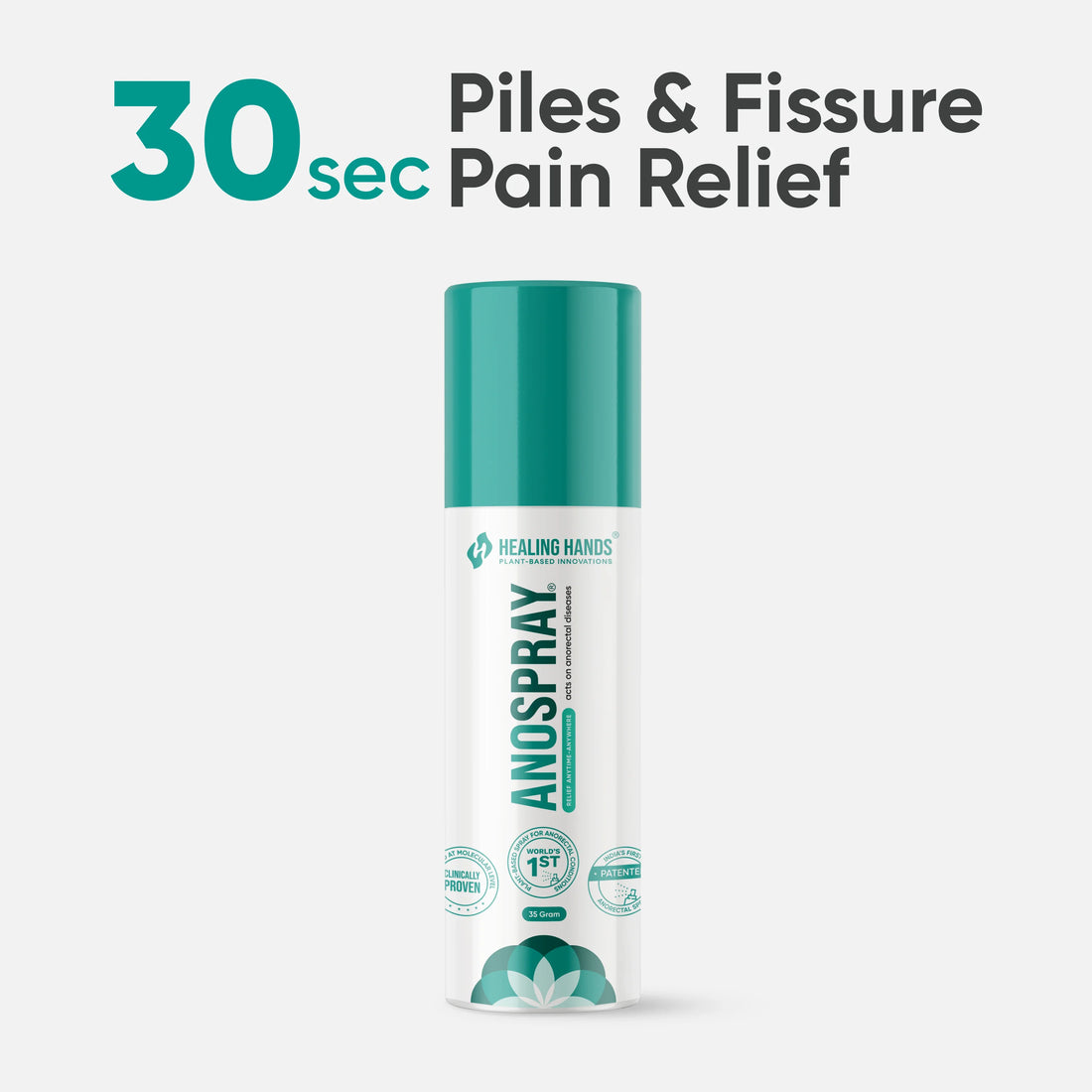
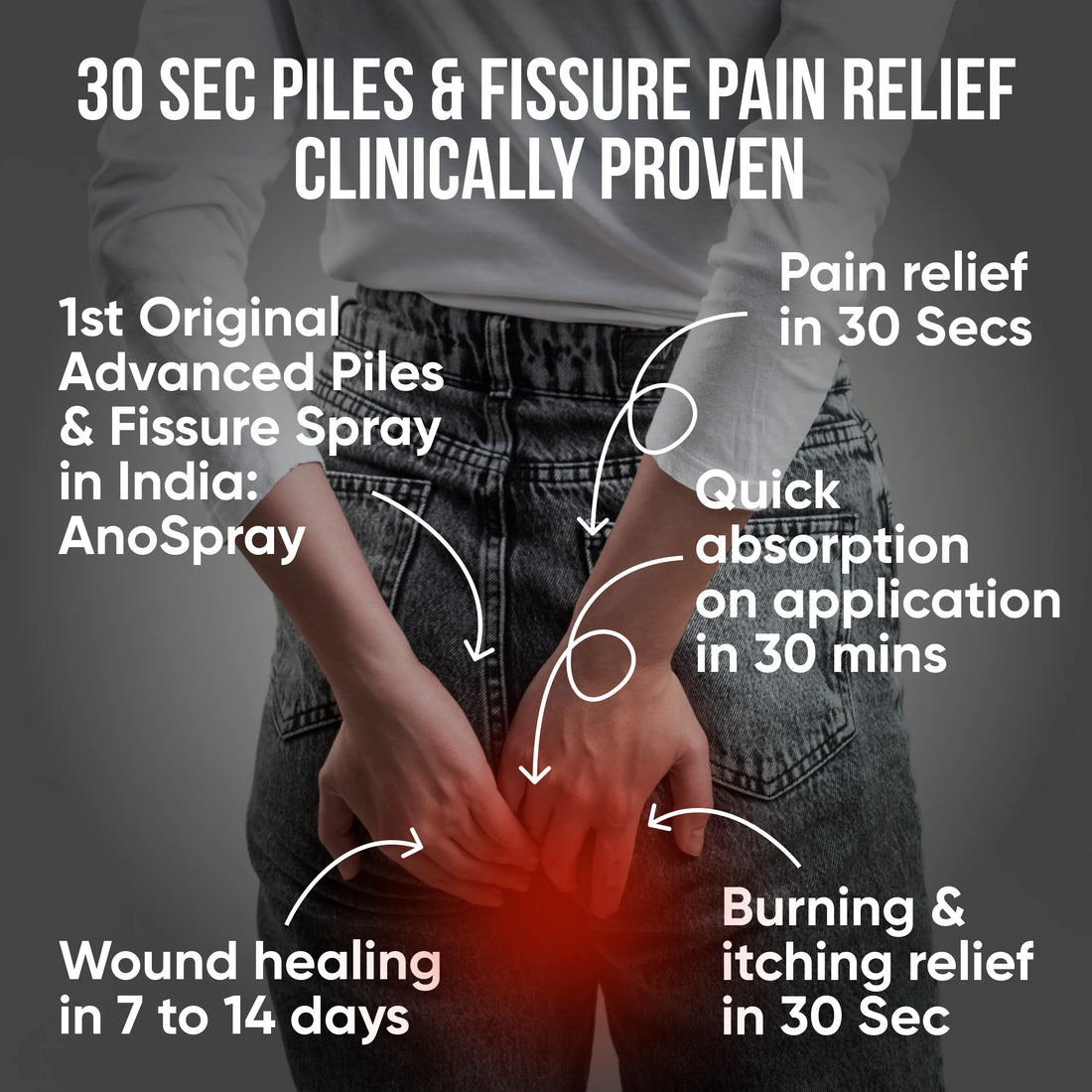
- PiloSpray Piles and Fissure Treatment Spray, which externally treats piles and fissure, and AnoSpray Advanced Spray for Severe Piles and Fissure, the advanced anorectal spray, are designed for severe anorectal pain relief. They are India's first patented and molecularly validated anorectal treatment spray solutions.
If you're struggling with piles, anal fissure, or fistula, you don't have to suffer in silence. At Healing Hands, we offer expert care and personalized treatment plans to help you manage and recover from these conditions.
Take control of your health today! Reach out to Healing Hands to schedule a consultation and start your path toward comfort and recovery. Contact us now to learn more about our holistic and advanced treatment options for piles, fissure, and fistula.
References
https://my.clevelandclinic.org/health/diseases/13177-anal-fissures
https://my.clevelandclinic.org/health/diseases/14466-anal-fistula
https://www.nhs.uk/conditions/anal-fistula/treatment/
https://www.mayoclinic.org/diseases-conditions/anal-fistula/diagnosis-treatment/drc-20537243
https://www.nhs.uk/conditions/piles-haemorrhoids/
https://www.mayoclinic.org/diseases-conditions/anal-fissure/symptoms-causes/syc-20351424
https://my.clevelandclinic.org/health/diseases/15120-hemorrhoids
https://myhealinghands.in/products/anospray-for-severe-piles-and-fissure-35-g