India's most studied plant-based anorectal care range — trusted by patients, tested by scientists, recommended by doctors.
Quick answer: Piles, anal fissure, and anal fistula are three different problems in the same part of the body. Constipation and straining have been found to be major contributory factors for these. And they all need the same approach: treat the real problem, not just the pain. Healing Hands is the only Plant-based anorectal care brand in India with patents on its formulas, published clinical studies, and lab-tested proof of how its medicines actually work. If you're searching for piles medicine, the best ayurvedic medicine for piles, or fissure treatment in India — you can stop searching. You're in the right place.
1: What Is Anorectal Disease? Piles, Fissure and Fistula Explained
The anorectal region is the anus and the lower part of the rectum. This is where three very common problems happen across India: piles (hemorrhoids), anal fissure, and anal fistula. Together, doctors call these anorectal disease.
Millions of people in India live with one of these problems for years before they ask for help. Most people search things like: what is anorectal care, what causes piles, or is there an ayurvedic medicine for piles that actually works. Here are simple, honest answers.
- Piles (also called hemorrhoids, bawaseer, or mulvyadh) are swollen veins in the lower rectum and anus. Everyone has these veins — they're normal. They only become "piles" when they swell up and start to bleed, itch, or hurt.
- Anal fissure (guda chirna or guda vidar) is a small tear in the skin inside the anus. It usually happens when a hard or large stool stretches the anal canal too much. This often makes the muscle around the anus clench up tight in pain — called a spasm.
- Anal fistula (Bhagandar or fistula-in-ano) is an abnormal tunnel connecting the inside of the anus to the skin outside. It almost always starts when a small gland inside the anus gets infected and forms an abscess (a pocket of pus).
All three problems happen in the same part of the body. And people mix them up a lot — which is a big reason so many people in India end up treating the wrong problem.
Why These Conditions Are Often Linked in Clinical Practice
It's very common for these three problems to show up together. A fissure can form at the same time as piles. A fistula can form after an infection at the injured site, which was caused by the straining in the first place. That's exactly why Healing Hands didn't stop at building separate products for separate problems. We built one connected research program, because your body treats this whole area as one connected system — and so does our science.
2: Recognising the Symptoms — Piles, Fissure & Fistula
Catching piles early makes a huge difference. The sooner you catch it — before it goes from Grade 1 to Grade 3 — the more likely medicine along with lifestyle changes can fix it. Here's how each condition usually shows up, including the most common reason for blood after a bowel movement:
- Piles Symptoms: Bright red blood when you pass stool; itching or burning; a sore lump; mucus; feeling like you haven't fully emptied your bowels
- Fissure Symptoms: Sharp, cutting pain during and right after passing stool; bright red blood; a visible crack in the skin; itching; a skin tag if it's been going on a long time
- Fistula Symptoms: Throbbing pain that gets worse when sitting or during a bowel movement; pus or blood coming out, often smelly; abscesses that keep coming back; skin irritation from constant discharge; fever if the infection spreads
Red-Flag Symptoms That Need Urgent Medical Attention
No matter which of these three you think you have, some warning signs should never be ignored or self-treated — even with really good medicine:
- Blood for the first time, or blood that's heavy, doesn't stop, looks dark, or is mixed into the stool
- A fever over 101°F, or repeated trouble controlling your bowel movements
- Symptoms that don't get better after about a week of treatment
- Losing weight without trying, or a big change in your bathroom habits
These signs can mean the infection is spreading, or that something else is going on besides piles, fissure, or fistula. This doesn't mean skip the medicine — it means also get checked by a doctor. That's exactly the kind of care Healing Hands Clinic offers.
3: What Causes Anorectal Disease? The Shared Root Behind these
What starts as a simple symptom, soon turns into a cascade: Hard stools-> Straining-> too much Pressure on Anal tissue -> Anorectal Disease
The Physiology: Why Straining Damages This Region
When your stool is hard, or you have to push too hard, three things can happen. First, the pressure stretches and swells the veins inside the anal canal — over time, this is how a normal vein turns into a hemorrhoid. Second, a hard stool can tear the thin skin inside the anus, causing a fissure. That tear can make the muscle around the anus clench up tight, which cuts off blood flow to the area — a big reason fissures hurt so much and heal so slowly on their own. Third, straining again and again, plus extra moisture, can block and infect a small gland near the anus. That's how an abscess — and eventually a fistula — gets started.
Shared risk factors across piles, fissure and fistula:
- Long-term constipation and straining during bowel movements
- A low-fibre diet full of fried, spicy, or processed food
- Not drinking enough water
- Sitting too long — on the toilet (made worse by scrolling on your phone) or at a desk — and long trips
- Pregnancy and childbirth, which put extra pressure on the pelvic veins
- Family history, being overweight, and extra weight around the belly
- Conditions like Crohn's disease or inflammatory bowel disease — and, specifically for fistula, tuberculosis, which is still fairly common in India
Why India Sees Such High Rates of Anorectal Disease
More people in India are eating low-fibre food — more maida, white rice, and packaged snacks. More people sit at desks all day. Many don't drink enough water. And a lot of people put off going to the bathroom when they feel the urge. All of this adds up to more constipation — and more anorectal disease. Piles alone affect over 40 million people in India, with about 1 million new cases every year, and most people affected are under 40. This isn't about getting older, and it isn't bad luck. It's about how we live today — which means it can be fixed.
4: Medicine vs Surgery — Where Each Condition Sits on the Treatment Spectrum
The choice between medicine and surgery yields some of the most confusing answers. So here's the direct, honest version:
- Piles: Grade 1–2 piles usually get better with medicine and lifestyle changes. This is the strongest case anywhere in anorectal care for non-surgical piles treatment. Grade 3–4 piles, or piles that stay pushed out, often need a procedure —laser treatment or surgery. But medicine still helps a lot with the pain, swelling around it as well as wound healing.
- Fissure: A new fissure usually heals in days to a few weeks with the right medicine, warm baths, and more fibre and fluid intake. This is the second-strongest case for medicine alone. A fissure that's lasted more than 6–8 weeks needs more active care, and sometimes a small procedure if medicine alone doesn't fix it.
- Fistula: This condition cannot be dealt with using Medicine alone. The change in tissue lining warrants surgery, to stop the leakage. Medicine does have scope, but it is limited to 2 conditions. When your surgery is planned and you are waiting for it, and post operation, for comfort and faster wound healing.
Can Anorectal Disease Heal Without Surgery?
For piles caught early, and for fissures that are new — with the right medicine and some lifestyle changes, Surgery is not required. For fistula, treatment without surgery is NOT an option. Surgery is needed, no matter what. Medicine's job is to support that surgery, not replace it. Healing Hands strives to be a brand that tells you plainly when you need surgery. Thus, Healing Hands has earned your trust when it says medicine will work. And that's exactly why the science below is worth reading.
5: The Science Behind Healing Hands: Our Research & Validation Journey
This is what really sets Healing Hands apart from a shelf full of ordinary herbal creams. Every product in this range has gone through four kinds of testing — not just old sayings passed down with nothing to back them up:
- A patent
- A clinical study (tested on real patients)
- Lab science (testing exactly how it works, down to the cell level)
- Safety and shelf-life testing
This is what real proof of a clinical study on piles medicine looks like — not a claim on a label, but a paper trail you can actually check.
Pillar 1 — Real Patents, Not Just Herbal Blends
PiloSpray, PiloTab, ConsteTab, Anoac Cream, and AnoSpray each have their own patent from the Government of India — PiloSpray under Patent No. 423811, PiloTab under Patent No. 436571, ConsteTab under Patent No. 375497, and Anoac Cream under Patent No. 428503. A patent isn't just a marketing badge. It means government experts checked the formula and agreed it was genuinely new and different. A random "ayurvedic piles cream" on a store shelf can't say that.
Pillar 2 — Clinical Studies, Product by Product
Instead of running just one big study, Healing Hands has tested almost every product in this range on its own, and published the results in medical journals over the last ten years:
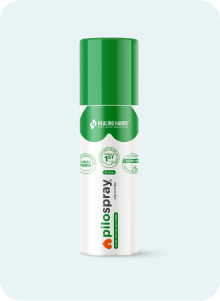
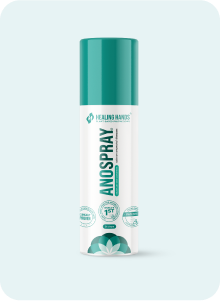
- PiloSpray and AnoSpray (2x PiloSpray) were tested in patients with fresh wounds after anorectal surgery, comparing it to Betadine, a common antiseptic. This was the study that first proved it was safe and helped wounds heal. (Published in Ayushdhara, 2017.)
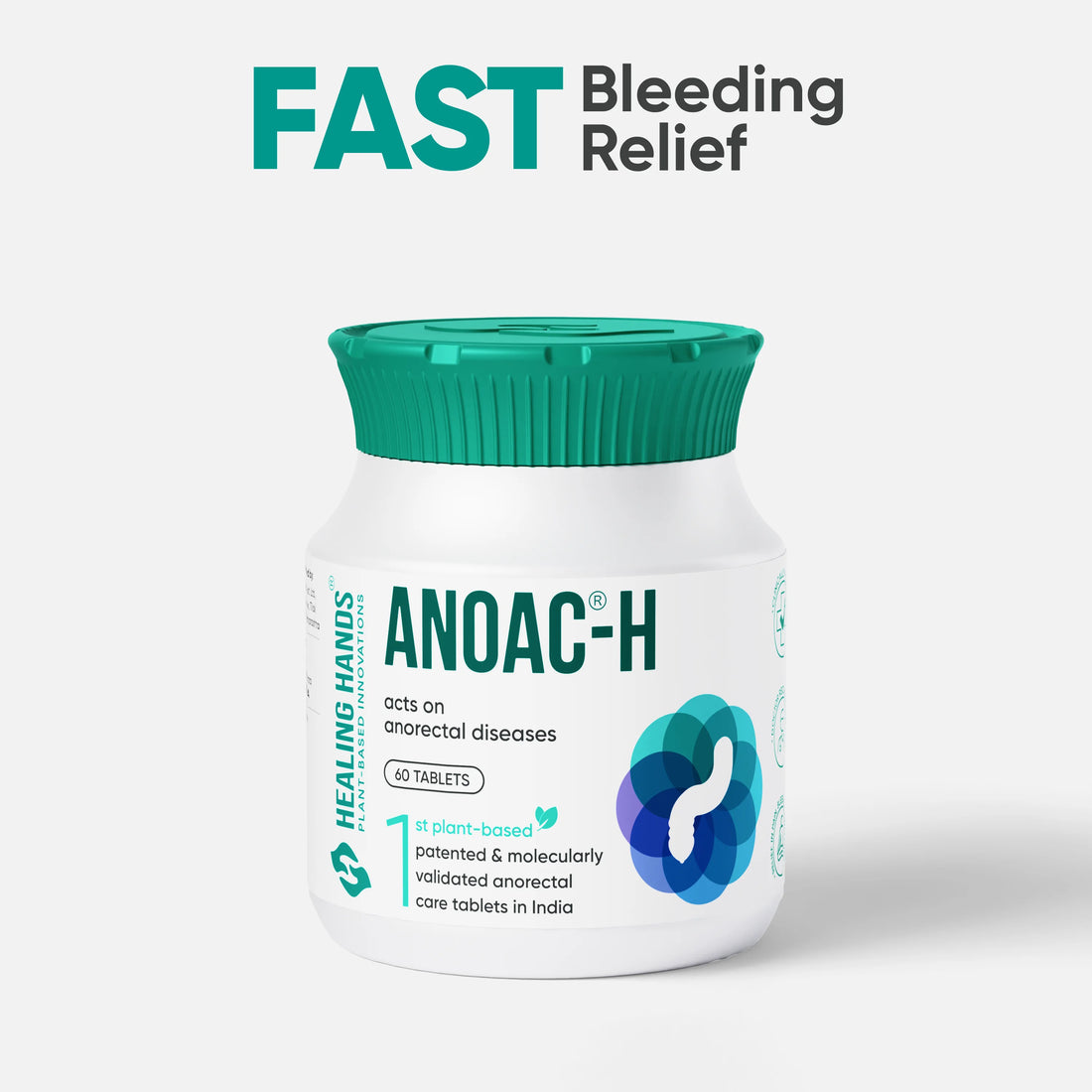
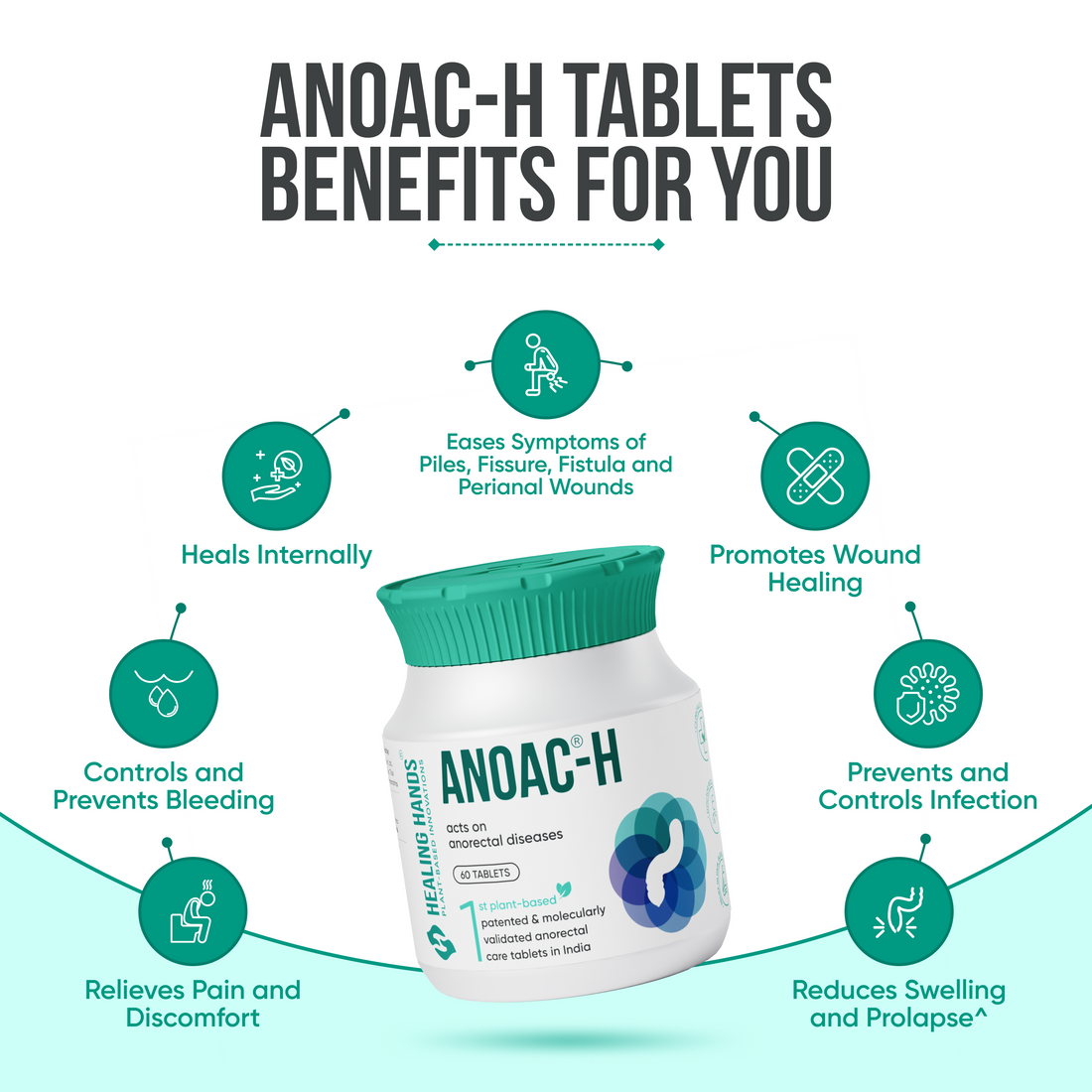
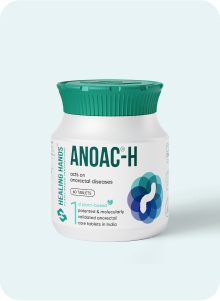
- PiloTab and Anoac-H (2x PiloTab) were tested in patients with bleeding piles, Grades 1–3. This study found that 95% of treated patients recovered from the bleeding — a result later backed up by the lab study described below. (Published in the International Journal of Ayurveda, 2018.)
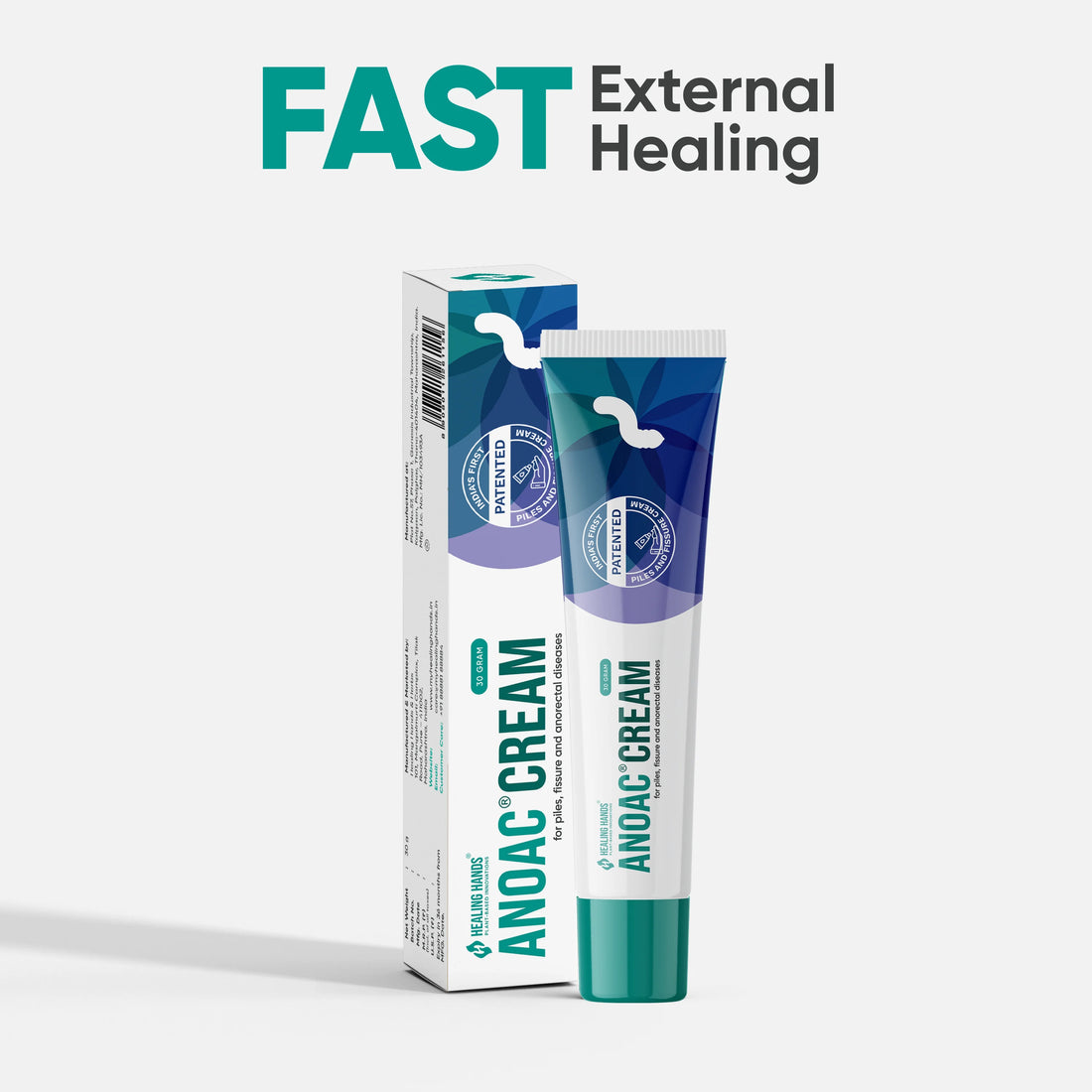
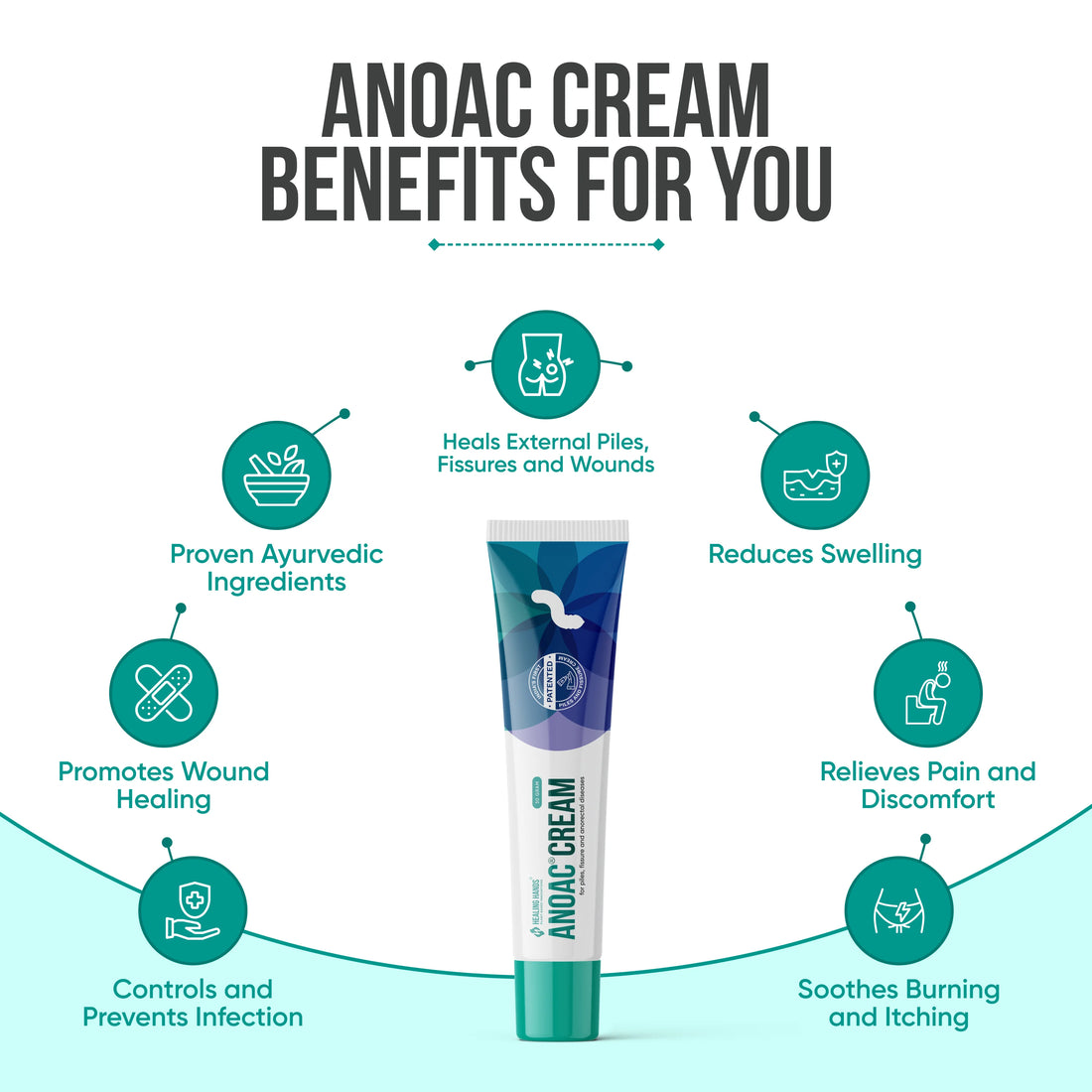
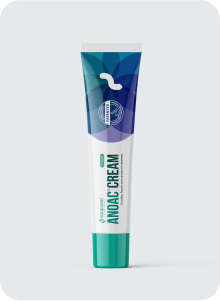
- Anoac Cream has been studied three times over nine years. First, for fissure and piles symptoms (2015). Then again, to check how well an improved version of the formula worked (2018). And most recently, it was tested head-to-head against a well-known branded ointment in patients with hemorrhoids, fissures, and fistulas (2024) — the kind of direct comparison most ayurvedic creams never publish.
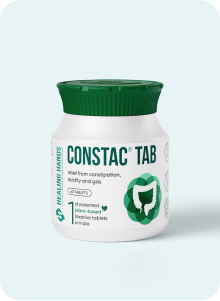
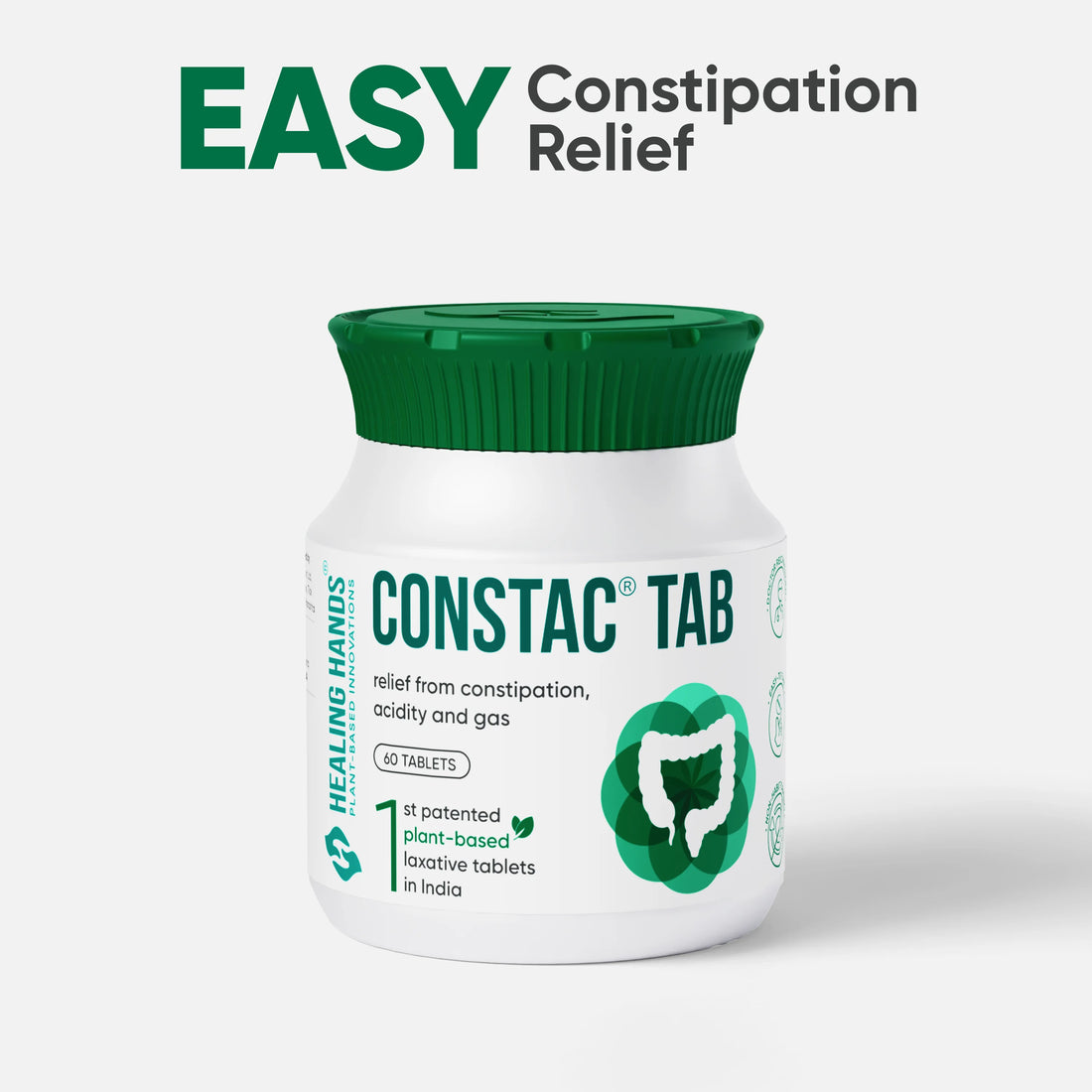
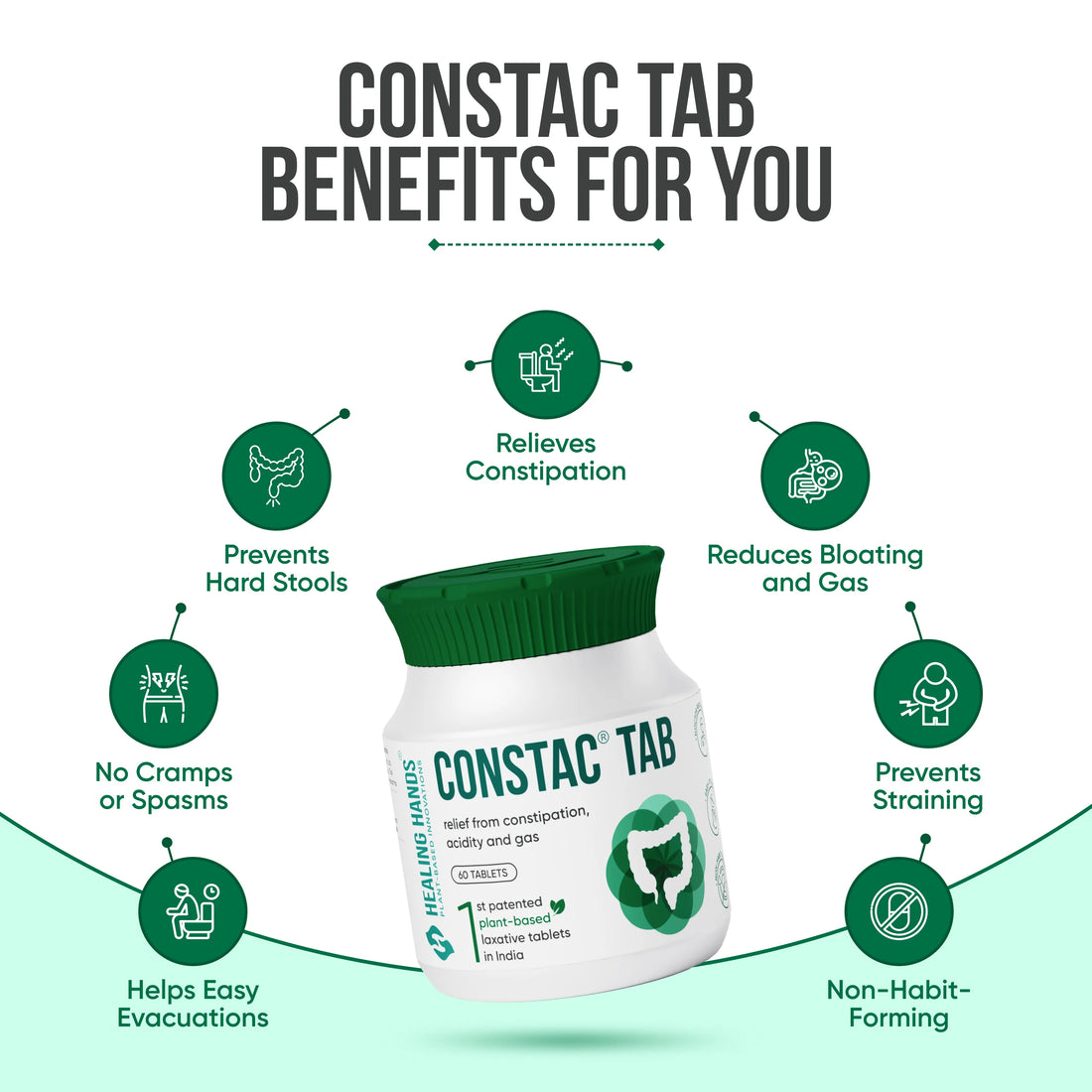
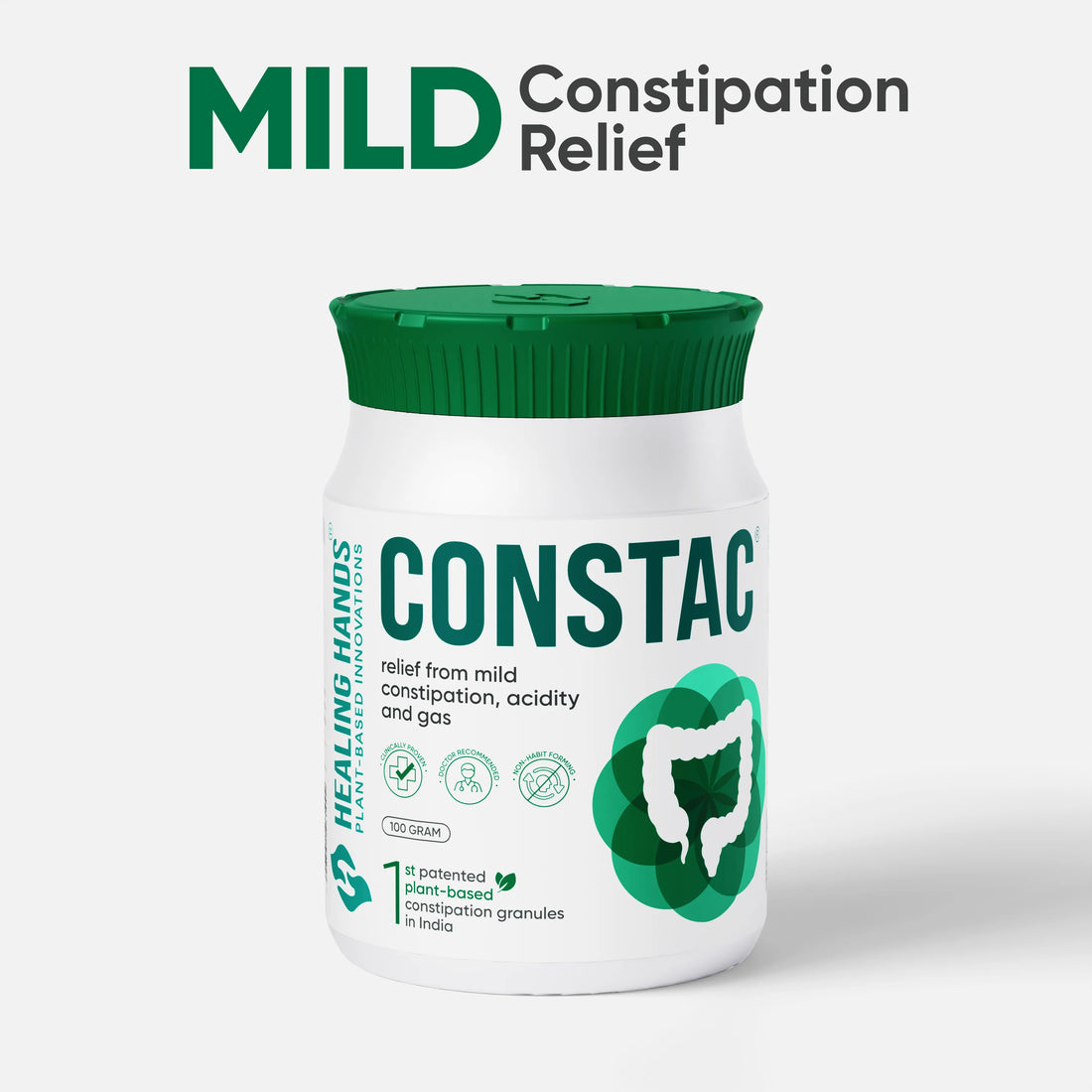
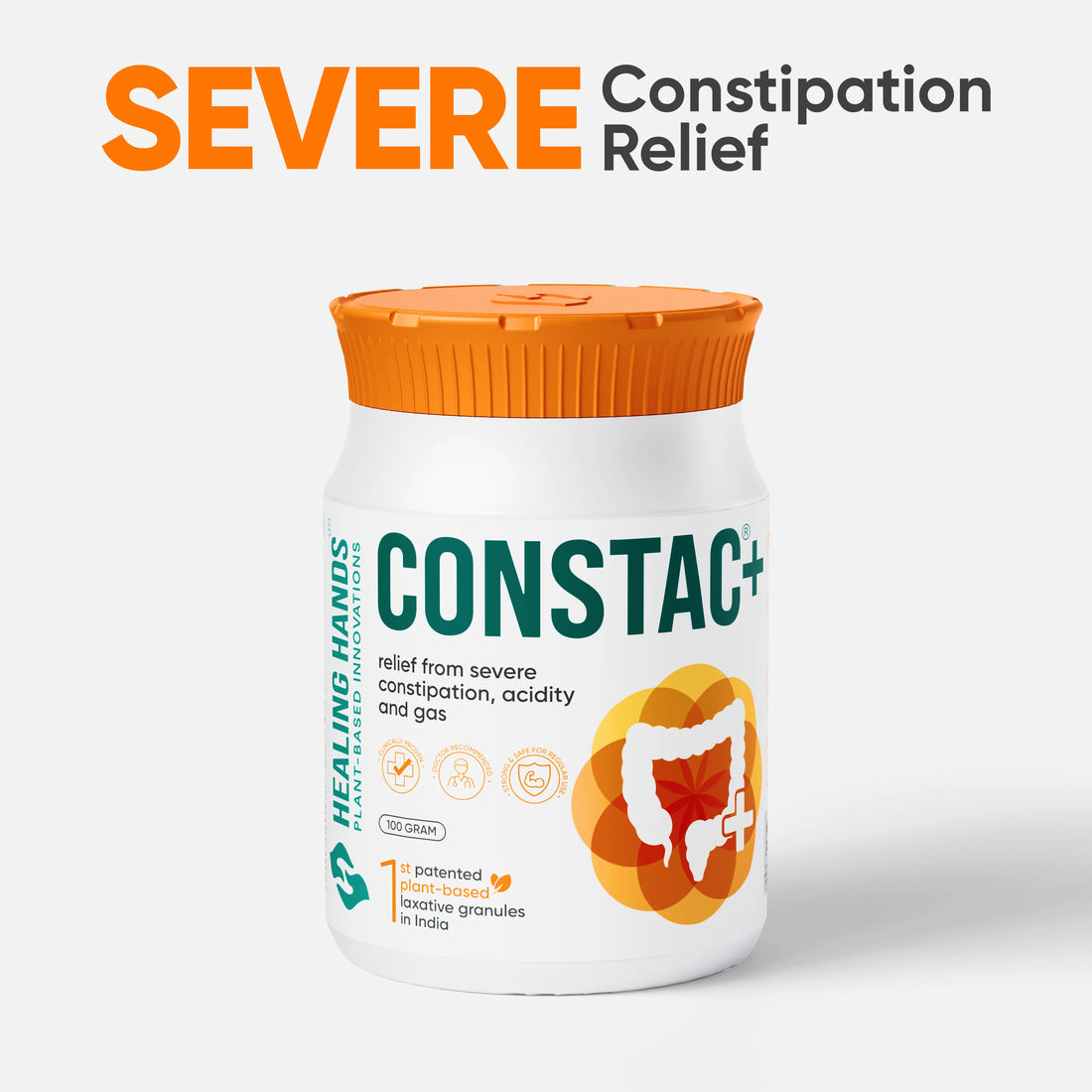
- ConsteTab is the constipation tablet in PiloKit and FissureKit. Constac and Constac Plus are other products which belong to the constipation range. Each of these was studied twice — once to prove it worked (2015 for Constac, 2016 for Constac Plus), and once again as a longer safety check (2018 for both).
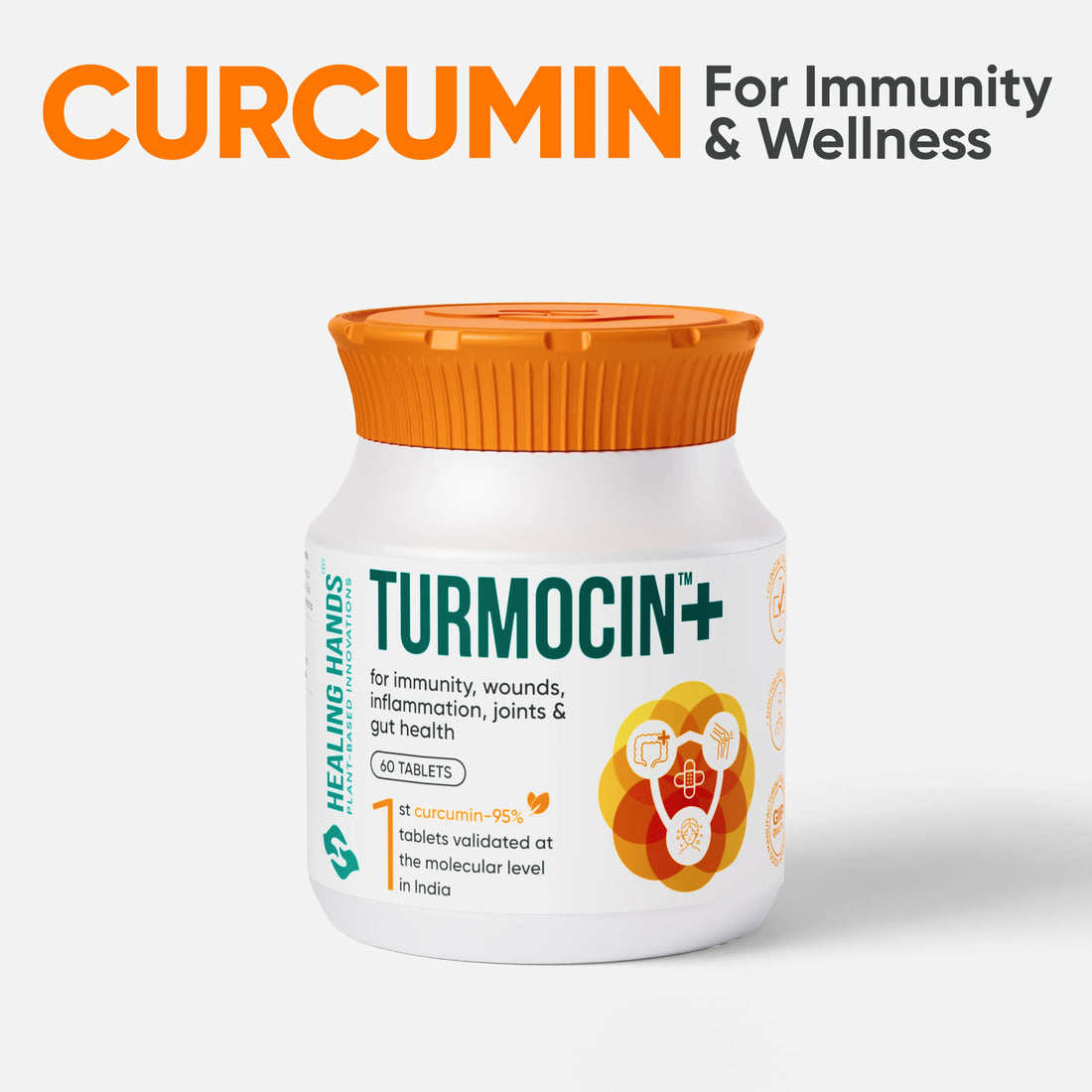
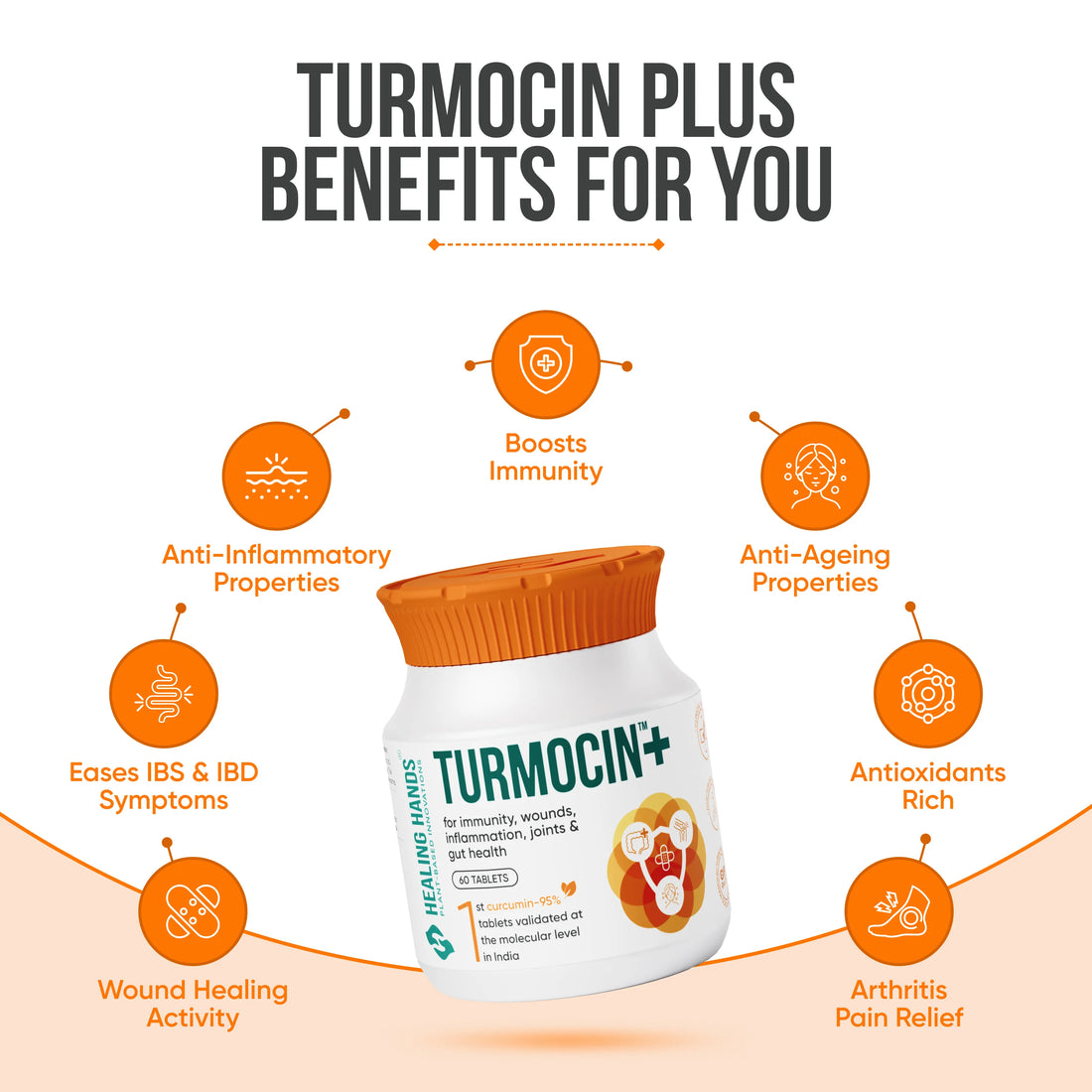
- Turmocin Plus, the curcumin-based tablet in FistulaKit, was specifically studied for how fast patients recovered after anorectal surgery (2019) — exactly the situation FistulaKit is designed for.
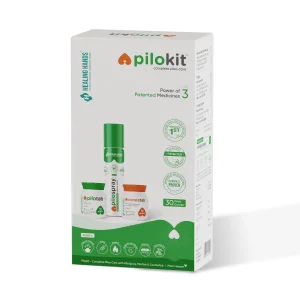
- Then, PiloKit — PiloSpray, PiloTab, and ConsteTab together — was tested as a full kit, in a bigger study of 87 patients split into three groups: one group got no real treatment (just diet, a fibre supplement, and exercise); one group got the usual care (an anorectal cream, a common vein medicine, and a fibre supplement); and one group got PiloKit. After 8 weeks, the no-treatment group barely changed. The usual-care group improved a little, including less bulging by weeks 6–8. The PiloKit group improved a lot — in every single symptom measured: pain, itching, bleeding, constipation, redness, and swelling. Nobody in the PiloKit group had a bad reaction, and all 87 patients finished the study. Symptoms dropped by 50% to 80% in the PiloKit group — several times more than the usual-care group, and the difference was too big to be chance. (Published in the Journal of Herbal Medicine, 2026.) This is the real proof behind saying PiloKit works faster and better than the cream-and-fibre-supplement routine most people are given by default.
Pillar 3 — Lab Testing at India's Leading Cell Science Institute
Beyond just watching patients get better, Healing Hands also wanted to know why these medicines work, right down at the level of individual cells. To find out, they worked with the National Centre for Cell Science (NCCS) in Pune, one of India's top cell research labs. Three separate lab studies now exist, and each one tested both lab cells and real tissue samples from patients:
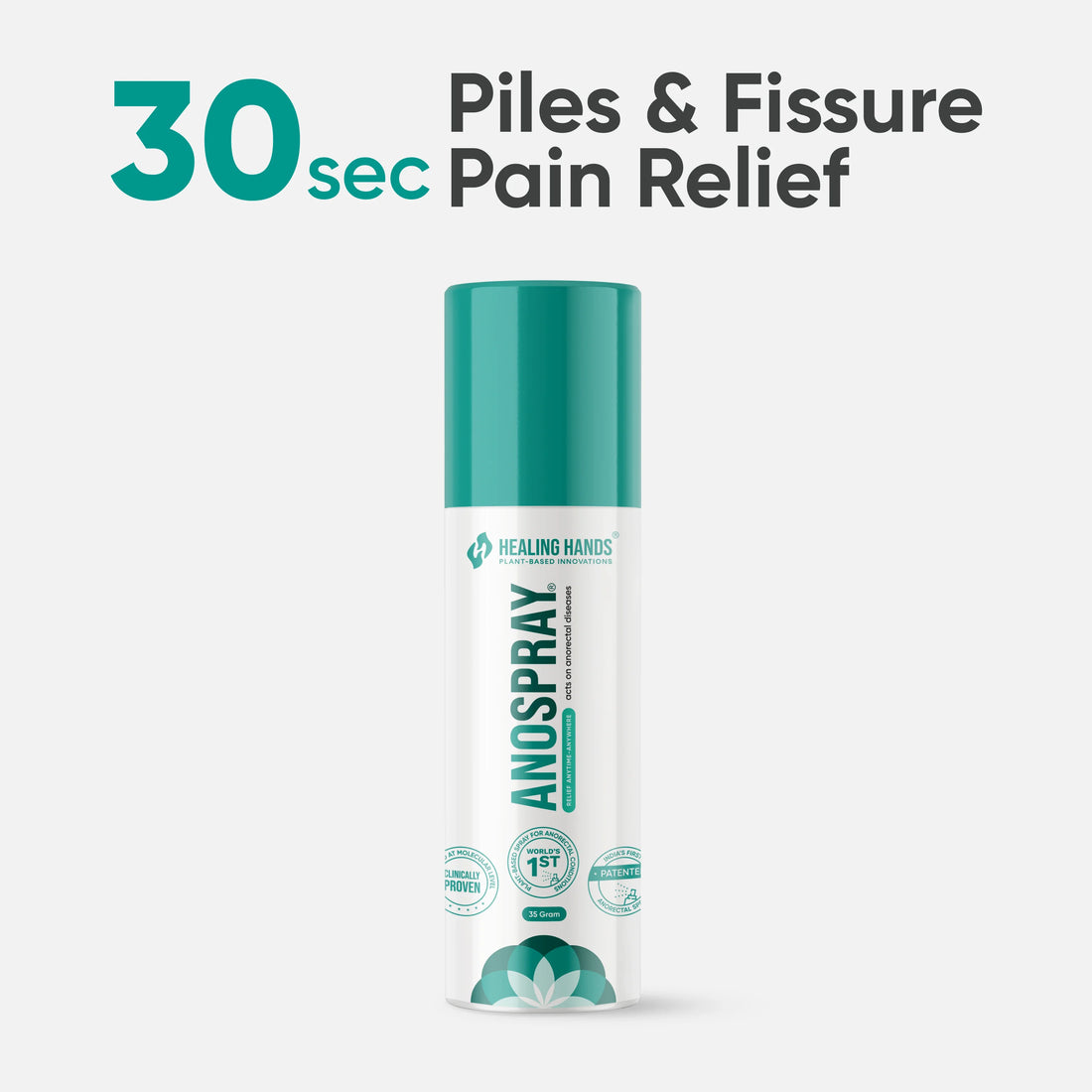
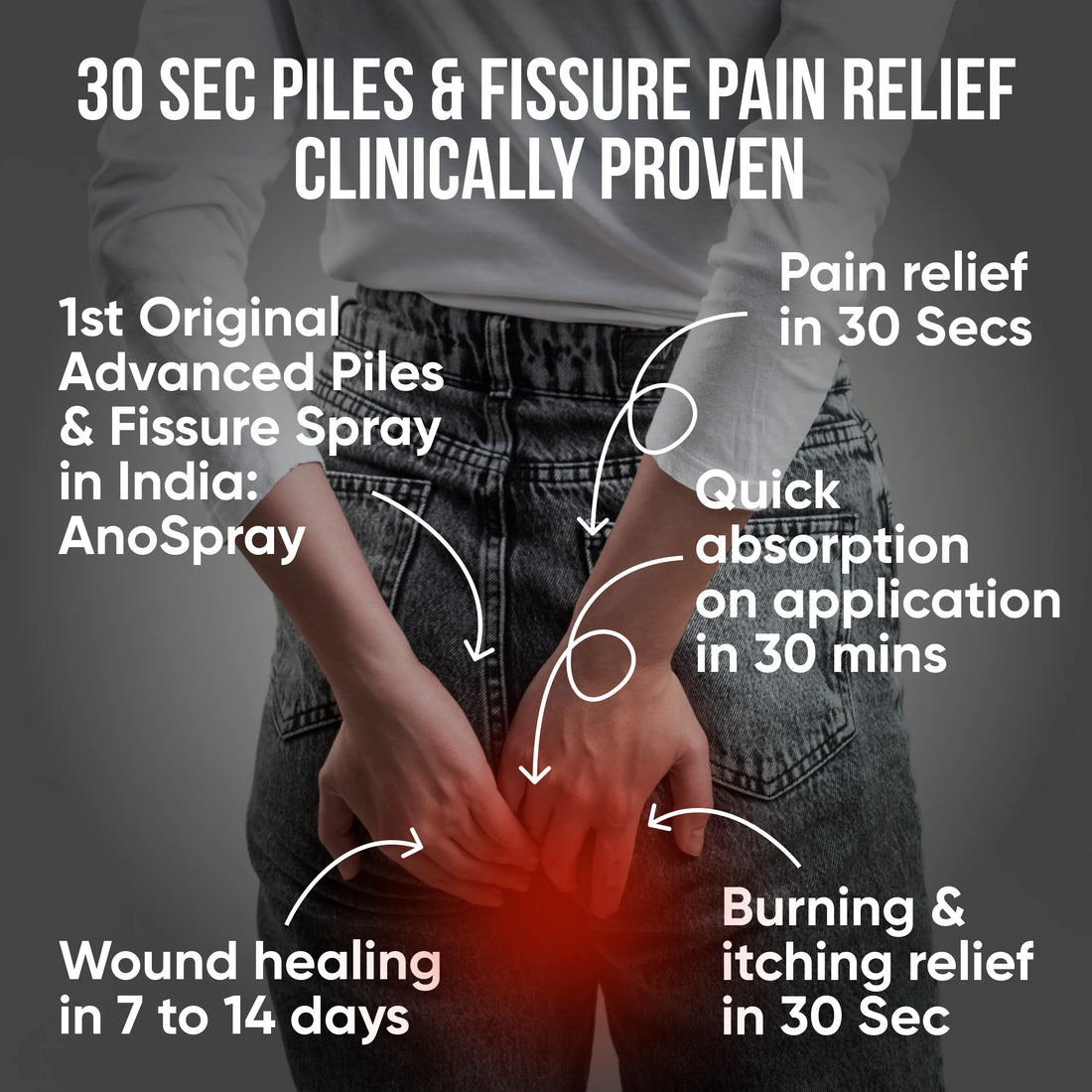
- AnoSpray (2x PiloSpray) was tested on human cells and on tissue from 10 real hemorrhoid patients. It reduced two chemicals in the body that cause inflammation — called COX-2 and RANTES — and slowed down the movement of inflammation-causing cells, without harming healthy cells. (Published in Experimental and Therapeutic Medicine, 2022.)
- Anoac-H (2x PiloTab) was tested on lab cells and on tissue from 14 patients with hemorrhoids and fistulas. It reduced three inflammation-related substances in the body — RANTES, VEGF, and IL-1β. (Published in Molecular Medicine Reports, 2021.)
- Turmocin Plus was shown to lower VEGF (a substance linked to abnormal blood vessel growth) and reduce inflammation-causing cells, without harming healthy cells — and this was directly confirmed in real human fistula tissue. (Published in the Journal of Natural Remedies, 2024.)
In plain terms: these three lab studies prove, right down at the cell level, that the same medicines that ease your symptoms are also switching off the exact biological signals known to cause hemorrhoids, fissures, and fistulas. This isn't just "trust our traditional wisdom." This is traditional wisdom that has been tested in a lab, checked against real patient tissue, and shown to actually work.
Pillar 4 — Shelf-Life & Safety Testing
A medicine that works in a lab or a clinical trial still has to survive a hot, humid Indian warehouse and stay safe for years on a store shelf. Most Ayurvedic brands skip this step completely — but it might be the most important.
Two separate safety studies — one for Constac, one for Constac Plus — isn't something you usually find for an ayurvedic laxative. Neither is five years of shelf-life testing. This is what "GMP manufactured, heavy-metal free, third-party lab tested" actually looks like when you check the paperwork instead of just trusting the label.
What This Means for You
Choosing Healing Hands isn't choosing between "Ayurveda" or "science" — it's both. Every product earned its place through testing: a patent for being genuinely new, clinical trials against real alternatives, lab proof for how it works, and years of safety and shelf-life testing. No other anorectal care brand in India has this much published proof, across this many products, all in one place.
6: One Portfolio, Every Stage of Anorectal Care
Three kits, one connected research program. Wherever you are on the piles-to-fissure-to-fistula path, there's a kit built from the same tested formulas above — the most complete anorectal treatment kit range in India.
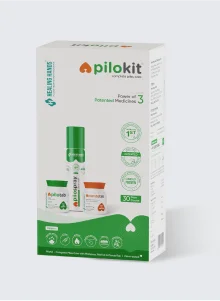
PiloKit — For Early & Moderate Piles
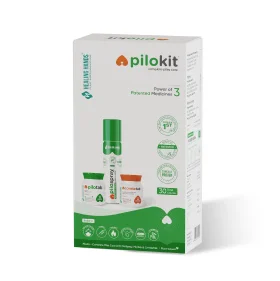
India's first patented, clinically tested, plant-based piles kit. PiloSpray (made with Til oil, Daruhaldi, Lodhra, Mocharas, Kapur, Pudina, and Kokam oil) gives fast, touch-free relief from pain, burning, and bleeding — no need to touch the sore area, and less risk of making it worse. It's the same formula studied in the lab as AnoSpray, above. PiloTab (made with Lajjalu, Dugdhika, Nagkesar, and Daruhaldi) works from the inside to shrink piles, stop bleeding, and relieve pain and promote wound healing— the same formula studied clinically and in the lab as Anoac-H. ConsteTab (made with Sonamukhi, Nishottar, Haritaki, Balhirada, Saindhav, and Erand tail) clears the constipation causing the problem in the first place. Recommended for Grade 1–2 piles, bleeding piles, and piles with constipation — and as extra support alongside medical care for more advanced cases. This is the exact three-part combo tested together in the 87-patient study above.
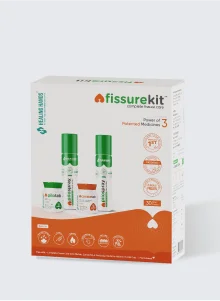
FissureKit — For Acute & Chronic Fissures
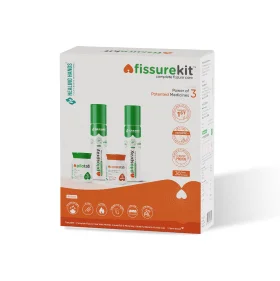
India's first patented, complete fissure treatment kit combines PiloSpray and Anoac Cream (made with Kasisadi Oil, Jatyadi Oil, Neem Oil, Kapur, Pudina, Tankan, Yashad, and Sphatik) for outside relief from pain and spasm, plus wound healing — the same Anoac Cream tested clinically three separate times, most recently head-to-head against a branded ointment — along with PiloTab and ConsteTab for healing from the inside and clearing constipation. It's built to break the fissure cycle at every point: pain, bleeding, swelling, wound healing, and the hard stools that keep tearing it open again.
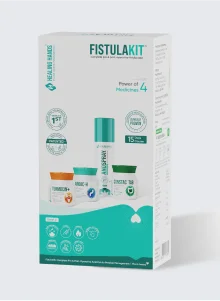
FistulaKit — For Post-Surgical Fistula Recovery
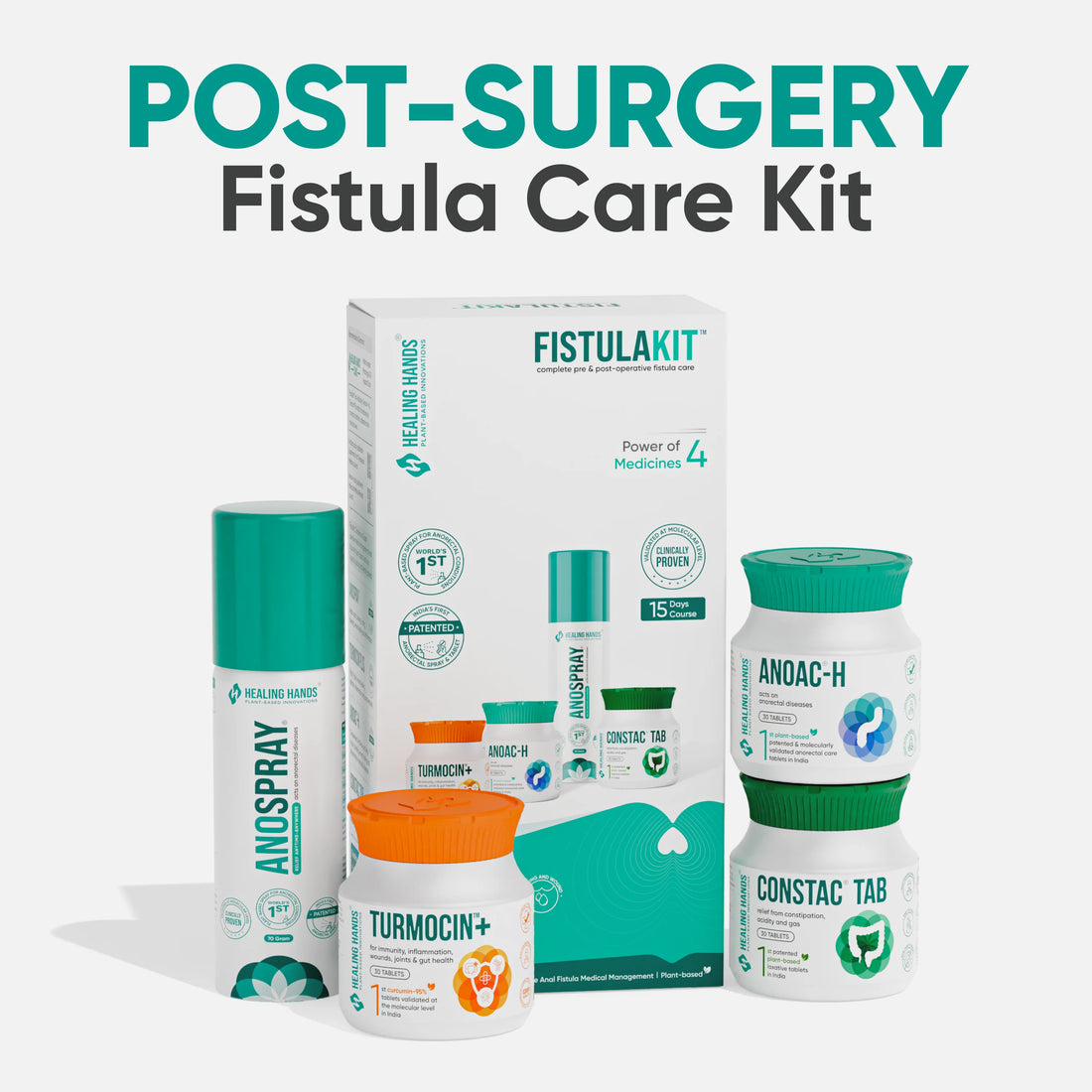
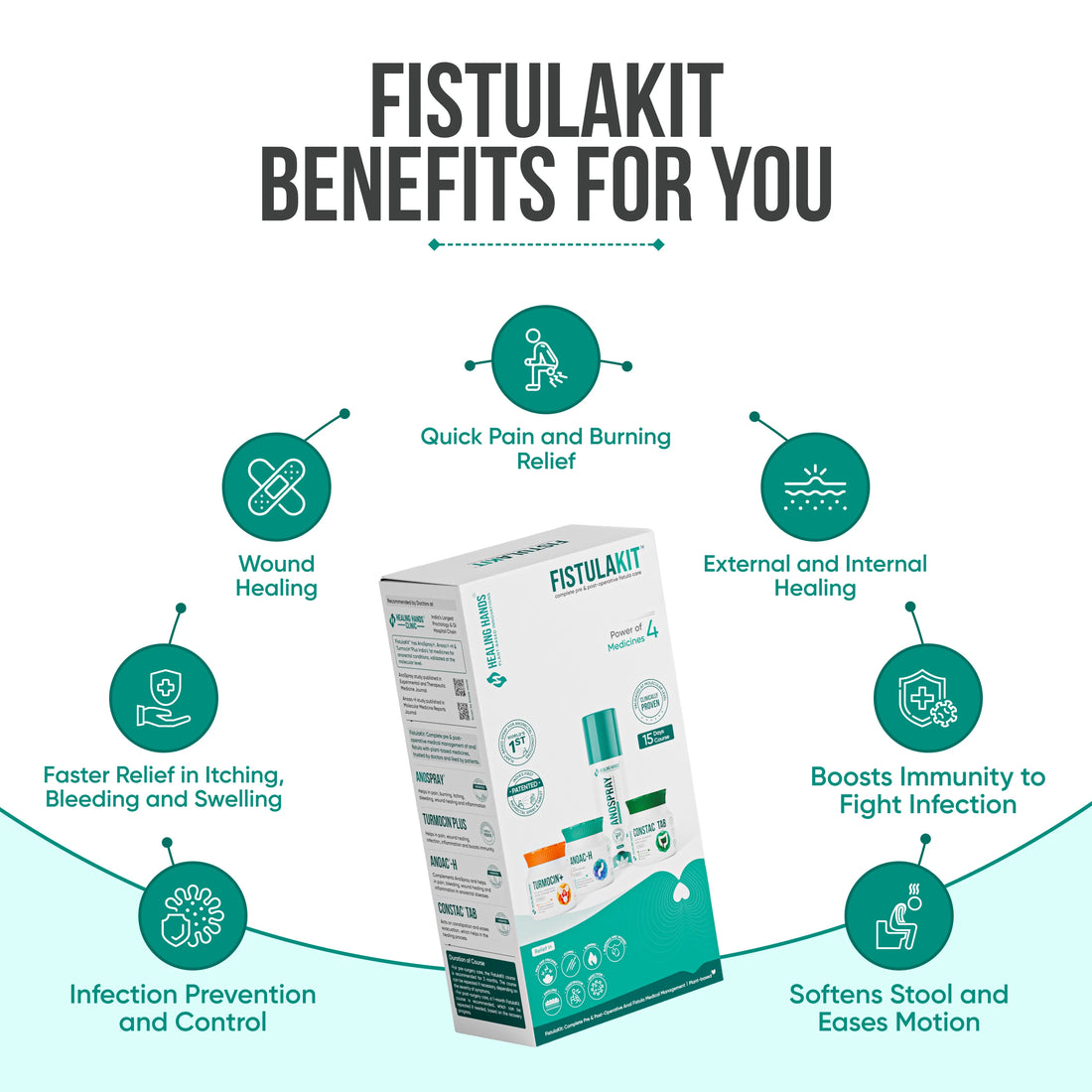
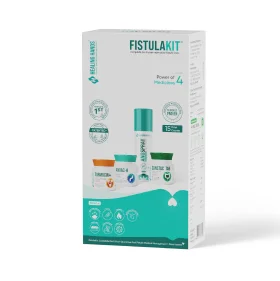
A doctor-recommended combination of AnoSpray, Anoac-H, ConstacTab, and Turmocin Plus, built to support healing after fistula surgery, and to control symptoms while you wait for surgery. AnoSpray gives touch-free wound care on the outside — proven in the lab to lower inflammation in real hemorrhoid tissue. Anoac-H gives anti-inflammatory support on the inside — proven in the lab in both hemorrhoid and fistula tissue. ConstacTab keeps your stools soft so the healing wound is never strained. And Turmocin Plus adds deep, curcumin-powered anti-inflammatory support — specifically studied both for lowering VEGF in real human fistula tissue, and for speeding up recovery after anorectal surgery. This is post-surgery care that's actually been tested for the job — not a general wound cream being used for something it was never proven for.
7: Why Thousands of Patients & Doctors Choose Healing Hands
- India's first patented, plant-based kits for piles(PiloKit) and fissure (FissureKit) — this is a fact on record, not just a slogan
- PiloSpray: The world's first touch-free anorectal spray — clean, fast, and made for a part of the body where using your hands isn't pleasant
- Lab-tested at NCCS across three separate published molecular level studies — proof of how it works at cellular level. Something most ayurvedic brands don't have.
- Clinically Proven Products with published Research behind them — PiloSpray/AnoSpray, PiloTab/Anoac-H, Anoac Cream (3 studies), Constac/ConsteTab (4 studies), and Turmocin Plus — each tested on its own, several beating standard treatment by a wide margin
- Recommended by 100+ top doctors in India, and trusted by over 10 lakh patients
- Made in GMP-certified factories, free of heavy metals, and checked by outside labs — backed by dedicated safety studies to prove it
- Backed by Healing Hands Clinic, India's No 1. and largest hospital chain for piles, fissure, and fistula care with 1 million + happy patients. It was started by Dr. Ashwin Porwal who has his own sphincter-saving surgery technique (called DLPL) — meaning it protects the muscle that controls your bowel movements.
If you searched for the best piles medicine in India, a patented ayurvedic medicine, the best fissure treatment in India, an ayurvedic treatment for fistula, or you just want to buy piles medicine online backed by real evidence — this is exactly what you were looking for.
8: Diet & Lifestyle for Long-Term Anorectal Health
The best home remedies for piles (piles ka gharelu ilaj) are really just good daily habits — and they matter for stopping piles and fissure from coming back, not just for treating the first flare-up. Since constipation causes both of these anorectal diseases, the same habits protect you against these conditions, and help your medicine work faster:
- Eat fibre-rich foods — whole grains, papaya, guava, leafy vegetables — and add more slowly, with plenty of water
- Drink up to 3 litres of water a day
- Never strain, and don't hold it in when you need to go
- Cut back on fried, spicy, and processed food, alcohol, and smoking
- Walk or exercise for about 30 minutes a day
- Take a warm sitz bath for 10–15 minutes, especially after using the bathroom
Of all of these, eating more fibre has the strongest proof behind it for cutting down bleeding, pain, and itching — do this along with your kit, and don't skip it.
9: When to See a Doctor for Anorectal Symptoms
Knowing when to see a doctor for anorectal problems matters just as much as which medicine you pick — more than just ordering piles medicine online and hoping for the best. Don't assume any anorectal symptom is "just piles." If you have blood for the first time, blood that's heavy or doesn't stop, dark blood, fever, discharge, or symptoms that don't get better in about a week — get checked. Piles, fissure, and fistula share a lot of the same symptoms, so a quick check-up is the only way to know for sure which one you have, and to rule out anything more serious. Doctors at Healing Hands Clinic — India's largest hospital chain for piles, fissure, and fistula — are available at a clinic near you, or through WhatsApp or phone at 8888188884.
10: Start Your Anorectal Care Journey Today
You've read the science. You know the difference between piles, fissure, and fistula. You know which one you're dealing with — and you know Healing Hands is the only anorectal care brand in India that can back up every claim with a patent, published clinical studies on five different products, lab testing at NCCS, and years of safety and shelf-life testing. The only thing left is the one that actually changes how you feel next week: order PiloKit, FissureKit, or FistulaKit today, or book a visit at your nearest Healing Hands Clinic. Real relief, backed by real evidence — not guesswork — starts here.




 Piles, Fissure & Fistula Medicines
 Constipation Care
 Acidity Care
 IBS & Gut Health
 Healing with Turmeric





 15%
OFF
15%
OFF