


 Piles, Fissure & Fistula Medicines
 Constipation Care
 Acidity Care
 IBS & Gut Health
 Healing with Turmeric


By Dr Leena Dhole
BAMS, MS (General Surgery)
Proctosurgeon, Healing Hands Clinic
Table Of Contents

What is Anal Fistula?
An anal fistula is an infected tunnel that forms between the skin around your anus and the anal canal. It is an unwanted pathway that creates a connection between the inside of your anal canal and the skin outside.
This tunnel usually starts when an infection develops in the small glands inside your anal canal. The infection spreads through the surrounding tissues, eventually creating a persistent opening through which pus or even stool can drain onto your skin.
Fistula affects men more often than women, with about two men developing this condition for every woman. Most people who get anal fistulas are between 20 and 60 years old, with the average age being around 40.
While exact numbers vary, fistula is quite common in India. The condition becomes more likely if you have underlying health issues like Crohn's disease or tuberculosis, both of which are significant concerns in our country. Understanding your fistula type helps doctors choose the right fistula treatment approach.

Types of Anal Fistulas
Fistula cases fall into two main categories based on how they affect the muscles around your anus. This classification helps doctors decide the best fistula treatment approach for your specific situation.
| Type | Description | Treatment Complexity |
|---|---|---|
| Simple fistula | Involves minimal muscle damage, usually stays near the surface or between muscle layers | Easier to treat with lower risk |
| Complex fistula | Involves significant muscle involvement, multiple tunnels, or links to other diseases like Crohn's | Requires careful surgical planning |
Your doctor will examine you carefully to determine which type you have. This assessment guides everything from the surgical approach to your recovery timeline.
Intersphincteric Anal Fistula
This is the most common type of fistula, making up about 70% of all cases. The intersphincteric fistula creates a tunnel that runs between your two main sphincter muscles—the internal and external sphincters that help you control bowel movements.The tract typically opens on the skin very close to your anus. Because it doesn't cut through the main sphincter muscles, this type usually has the lowest risk of affecting your ability to control bowel movements after treatment.
Transsphincteric Fistula
A transsphincteric fistula creates a more complex path through your body. The tunnel passes through both your internal and external sphincter muscles before reaching the fatty area next to your anus, then opens on your skin.
This type poses more challenges because it involves both sets of muscles that control your bowel movements. Fistula treatment for transsphincteric cases requires careful planning to preserve your ability to control when you have bowel movements.
Suprasphincteric Fistula
The suprasphincteric fistula follows an unusual U-shaped path. It starts in your anal canal, travels upward above your sphincter muscles, then curves back down through deeper tissues before opening on your skin near the anus.
This rare type of fistula is much more complicated to treat because it involves tissues higher up in your pelvis. The complex anatomy makes fistula treatment more challenging and often requires specialised surgical expertise
Extrasphincteric Fistula
An extrasphincteric fistula is quite different from other types. Instead of starting from an anal gland infection, this fistula begins higher up in your rectum or colon and bypasses your sphincter muscles entirely.
This type often develops due to trauma, previous surgery, or inflammatory conditions like tuberculosis or Crohn's disease—both significant health concerns in India. The extrasphincteric fistula requires more extensive fistula treatment because it may indicate underlying disease that also needs attention
Superficial Anal Fistula
A superficial fistula is the simplest type, staying just beneath the skin around your anus without involving the deeper sphincter muscles. This fistula usually develops from a surface-level infection or small abscess. Many superficial fistulas can be treated with minor surgery or sometimes even conservative care with proper hygiene and anal fistula medicine. Some may heal on their own with consistent self-care measures.

What Causes Anal Fistula?
The main cause of anal fistula is an infection of the anal glands. Other causes include:
- Crohn's disease and other inflammatory bowel conditions
- Tuberculosis (more common in India due to higher TB rates)
- Previous anal surgery or injury to the area
- Chronic constipation leading to repeated straining
Poor anal hygiene after bowel movements such as not cleaning with water and using dry toilet paper can increase your infection risk. Many Indians face this issue due to irregular eating habits that cause constipation, making you strain more during bowel movements. This straining can block the small anal glands, creating the perfect environment for infections to develop. we can elaborate on this by not cleaning with water, using dry toilet paper etc

What are the Risk Factors for Getting an Anal Fistula?
Several factors make you more likely to develop an anal fistula. Understanding these can help you take steps to protect yourself.
- Gender and age: Men develop fistulas twice as often as women. This happens because men are more prone to the type of gland infections that lead to fistulas.
- Medical history matters: If you've had a perianal abscess before, you have about 50% chance of developing a fistula. This is why treating abscesses properly the first time is so important.
- Immune system issues: Conditions like diabetes, which affects millions of Indians, make it harder for your body to fight infections and heal properly. If you have diabetes, maintaining good blood sugar control significantly reduces your fistula risk.
Lifestyle factors specific to India:
- Using public toilets with poor hygiene increases infection risk
- Traditional remedies that delay proper medical treatment
- Dietary habits that cause frequent constipation
- Sitting for long hours without breaks (common in office jobs)
Symptoms of Anal Fistula
Anal Fistula symptoms usually develop slowly, and many people delay getting help due to embarrassment.
The most common anal fistula symptoms include:
- Constant or recurring pain around your anus, especially when sitting or having a bowel movement
- Swelling and redness near the anal opening
- Discharge of pus or blood from a small opening near your anus—this may stain your underwear
- Itching and irritation caused by the continuous moisture from discharge
- Fever or feeling unwell if the infection spreads
Many people notice that the pain temporarily improves after pus drains out, only to return when the tunnel gets blocked again. This cycle of pain, drainage, and relief is a classic sign of anal fistula.
How is an Anal Fistula Diagnosed?
Getting an accurate diagnosis for fistula is the first step towards proper treatment. Your doctor will combine physical examination with imaging tests to understand the exact path and complexity of your anal fistula.
The foundation of anal fistula diagnosis lies in two essential examinations:
- Digital Rectal Examination (DRE): Your doctor gently inserts a lubricated finger into your rectum to feel for abnormalities, internal openings, or areas of tenderness. This simple procedure can detect fistulas that lie close to the anal canal and helps assess the tract's direction.
- Proctoscopy: Using a thin, tubular instrument called a proctoscope, your doctor visually inspects the anal canal and rectum. This procedure helps identify internal openings and any changes in the rectal lining that might indicate fistula presence.
MRI
Magnetic Resonance Imaging (MRI) gives doctors the clearest view of your anal fistula treatment needs. This scan creates detailed, three-dimensional pictures that show exactly how the fistula tract winds through your tissues.
MRI works particularly well because it can distinguish between different types of tissue. Your doctor can see the fistula path, spot any hidden pockets of infection, and understand how close the tract comes to your sphincter muscles. This information is crucial for planning the safest treatment approach.
Endoscopic Ultrasound
Endoscopic Ultrasound uses a thin probe with a small ultrasound device at its tip. Your doctor gently inserts this into your anal canal to get detailed pictures of the fistula and surrounding muscles.
This method works well for finding internal openings – the spots where the fistula connects to the inside of your rectum. The ultrasound waves create clear images that help doctors trace the fistula's course through your tissues.
The procedure is less invasive than MRI and can be done during a regular clinic visit. However, it may not capture all the details needed for very complex intersphincteric fistula or transsphincteric fistula cases.
Fistulography
Fistulography involves injecting a special dye into the external opening of your fistula, then taking X-rays to see where the dye travels. This creates a map of the fistula tract on the imaging. While this method can outline the path clearly, doctors use it less often now. MRI and ultrasound provide better information without needing injections or radiation exposure.
3D Endo-anal Imaging
3D Endo-anal Imaging represents newer technology that creates three-dimensional reconstructions of your anal canal and fistula. Using specialised probes, this method builds a detailed picture that shows exactly how the fistula relates to your sphincter muscles. This advanced imaging helps surgeons plan operations more precisely. They can see which muscles might be affected and choose techniques that preserve your ability to control bowel movements.
Treatment for Anal Fistulas
Anal fistula rarely heals on its own, so you'll need medical treatment to resolve the condition completely. Your treatment choice depends on several factors such as the complexity of your fistula, your overall health, and your personal preferences.
How Ayurveda Helps Heal Fistula Naturally
Ayurvedic medicine for fistula takes a comprehensive approach to healing. Rather than just treating the fistula itself, Ayurveda works to balance your digestive health, strengthen your immune system, and support your body's natural healing processes.
Kshar Sutra Therapy
Kshar Sutra is an Ayurvedic method where a medicated thread is placed through the fistula tract to gradually cut and heal the tissue. The process is slow and requires multiple sittings.
Modern surgical techniques like Laser Ablation, VAAFT, FiLaC or DLPL offer faster healing, better precision, and lower chances of recurrence—making them the preferred choice for effective fistula treatment today
Non-Surgical Option
Fibrin Glue
Fibrin glue offers a non-invasive approach to fistula treatment. This biological adhesive gets injected directly into your fistula tract, where it seals the opening and encourages natural healing. The procedure is straightforward and causes minimal discomfort. Your doctor injects the glue through the external opening, filling the fistula tract completely. The glue then hardens, creating a seal that allows healthy tissue to grow and close the tract permanently. This method works best for simple fistulas without complex branching or active infection. But best way to treat anal fistula is to get it surgically operated using modern technique by a skilled proctosurgeon
Surgical Options
Surgery remains the most reliable treatment for most anal fistula cases. Modern surgical techniques focus on eliminating the fistula while protecting your sphincter muscles and maintaining normal bowel control. We at Healing Hands Clinic have skilled surgeons and specialised center that helped thousands of patients not only in India but also outside India.
Fistulectomy
Fistulectomy involves completely removing the fistula tract through surgery. Your surgeon cuts out the entire abnormal channel, from the internal opening in your rectum to the external opening on your skin.
This direct approach works well for simple fistulas that don't involve major sphincter muscles. The surgery eliminates the problem completely, but healing takes several weeks as the surgical wound closes naturally.
Video Assisted Anal Fistula Treatment (VAAFT)
Video Assisted Anal Fistula Treatment uses advanced endoscopic technology to treat fistulas with minimal tissue damage. Your surgeon inserts a tiny camera into the fistula tract, allowing them to see the entire path clearly.
Using this visual guidance, they can precisely target the diseased tissue while preserving healthy structures. The procedure typically involves closing the internal opening and cleaning out the fistula tract using specialised instruments.
Ligation of Interspincteric Fistula Tract (LIFT)
LIFT surgery targets intersphincteric fistula by working in the space between your sphincter muscles. The surgeon makes a small incision to access the fistula tract, then ties off and removes the diseased tissue. This technique preserves both the internal and external sphincter muscles, maintaining your normal bowel control.
LIFT works best for transsphincteric fistula cases where the tract passes through the sphincter muscles but can be accessed safely through the intersphincteric space.
Fistula Plug
The fistula plug approach uses a specially designed collagen plug that gets inserted into your fistula tract. This bio-absorbable material blocks the abnormal channel while your body's natural healing processes close it permanently.
The procedure is less invasive than traditional surgery and preserves your sphincter muscles completely. The surgeon inserts the plug through the internal opening, securing it in place to seal the tract. Best scenario to use fistula plug is if it is a complex fistula that passes through a large portion of the anal sphincter muscle, with one internal opening and one external opening, and no signs of active infection. It is important to consider different techniques of anal fistula treatment depending on the complexity of the anal fistula.
Fistula-tract Laser Closure (FiLaC)
FiLaC uses laser energy to close fistula tracts with minimal tissue damage. The surgeon inserts a laser fibre into the fistula, then carefully ablates the diseased tissue while preserving healthy structures. The laser energy seals blood vessels as it works, reducing bleeding and promoting faster healing. Most patients experience less pain and can return to normal activities sooner than with traditional surgery.
Distal Laser Proximal Ligation (DLPL)
DLPL combines two approaches: closing the internal opening with traditional surgical techniques and using laser energy to seal the outer part of the fistula tract.
This hybrid method aims to get the benefits of both approaches while minimising damage to sphincter muscles. The surgeon closes the internal connection surgically, then uses laser energy to eliminate the remaining tract.
DLPL is an advanced surgical technique developed by Dr. Ashwin Porwal, one of India’s leading colorectal surgeons specializing in Proctology, with extensive experience in treating complex fistula cases.
Seton Placement
Seton placement involves threading a surgical material through your fistula tract to keep it open and allow drainage. This approach is often used when immediate definitive surgery isn't possible or safe.
The seton prevents the external opening from closing while the internal infection drains completely. This reduces pain, controls infection, and prepares the fistula for eventual definitive treatment.
Recovery and Aftercare
Proper aftercare plays a crucial role in healing success and preventing your fistula from returning. The recovery process varies depending on your treatment type, but certain principles apply to all approaches.
Home Care Tips
The following home care tips can help and heal anal fistulas:
- Keeping your anal area clean and dry forms the foundation of good recovery care.
- After each bowel movement, gently clean the area with warm water rather than harsh toilet paper. Pat the area dry with a soft towel instead of rubbing.
- Sitz baths provide comfort and promote healing. Sit in warm water for 10-15 minutes, 2-3 times daily. The warm water increases blood flow to the area, reduces pain, and keeps the wound clean. Add a pinch of salt to the water for additional healing benefits.
- Avoid straining during bowel movements, as this can disrupt healing tissues.
- Choose loose, breathable cotton underwear that doesn't create pressure or trap moisture. Tight clothing can irritate healing tissues and slow recovery progress.
Plant-based Medication
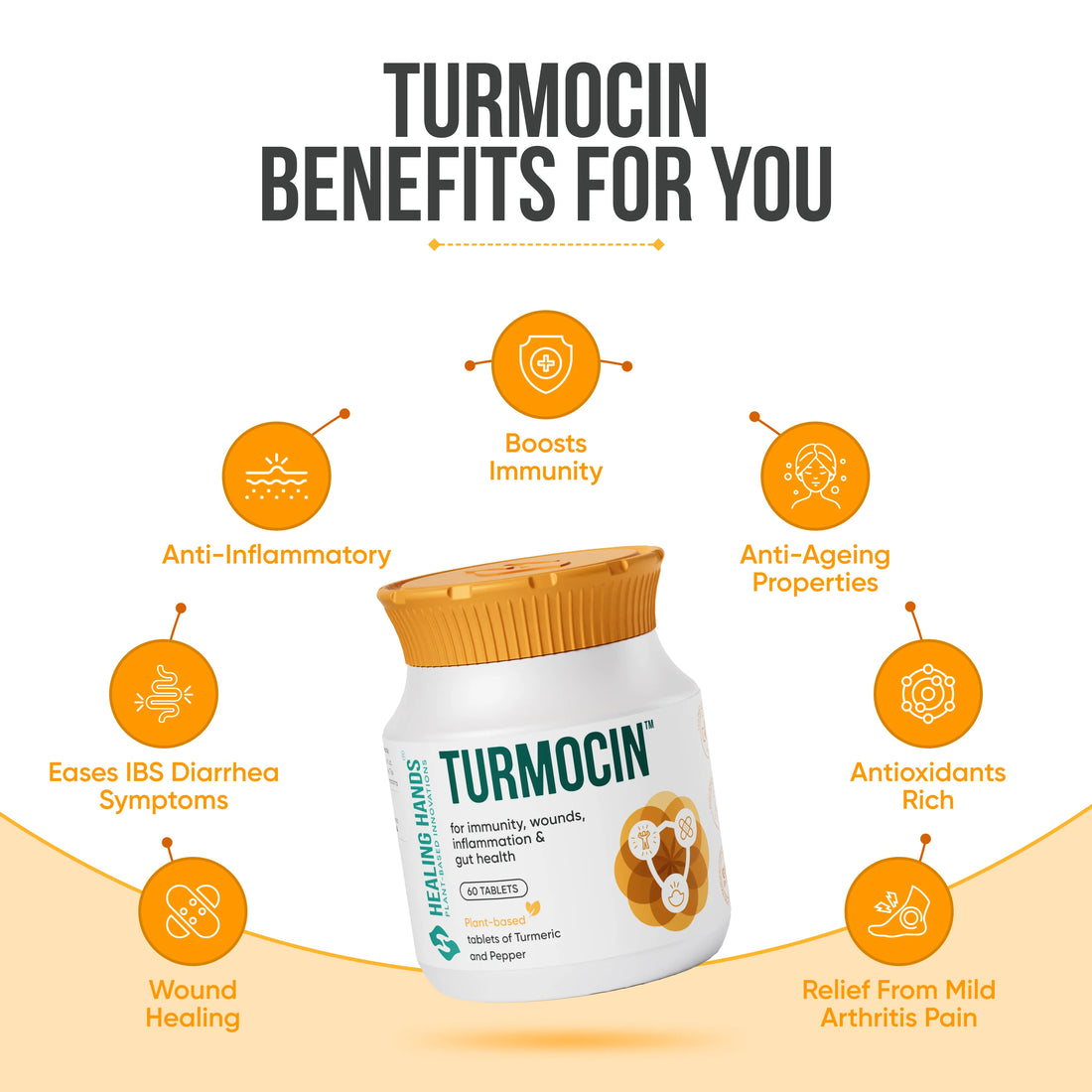
Best medicines for fistula recovery often include plant-based formulations that support your body's natural healing processes. Healing Hands Post-Surgery Fistula Care Kit combines traditional Ayurvedic wisdom with modern understanding of wound healing which includes clinically proven and patented plant-based medicines.
The kit typically includes herbs which provide natural antimicrobial protection against infection. Turmeric offers powerful anti-inflammatory benefits that reduce swelling and pain. Menthol soothes irritated tissues and helps to promote healthy skin regeneration. Triphala, a combination of three fruits, supports digestive health and helps maintain regular, comfortable bowel movements during recovery. These ingredients work together to create an environment that supports healing while preventing complications.

When to See a Doctor
You should see a doctor immediately if you notice any of these warning signs.
- Persistent anal pain that goes beyond normal bowel movement discomfort signals something serious. It indicates active infection or inflammation that won't resolve on its own.
- Discharge of pus or blood from an opening near your anus requires urgent medical attention. This discharge may smell foul and can irritate your skin.
- Watch for swelling or redness around your anus, which shows ongoing infection.
- Fever or chills mean the infection might be spreading beyond the anal fistula area, this is a medical emergency.
- Difficulty controlling bowel movements suggests the fistula may involve your sphincter muscles. This complication affects your quality of life and needs immediate fistula treatment.
- Healing Hands Clinic is a specialised proctology hospital chain that helped thousands of patients to overcome anal fistula.
Do you know a simple recipe can help you to heal your anal fistula?
Boil 1 tsp turmeric powder in 2 cups of water for 5 minutes. Drink warm twice daily to support natural healing.
Possible Complications of Untreated Anal Fistulas
Ignoring an anal fistula can lead to serious health problems that become increasingly difficult to treat. Understanding these risks helps you make informed decisions about seeking timely care.
- Chronic infection develops when the persistent tunnel allows continuous drainage of pus. This creates a cycle of recurring infections that cause ongoing discomfort and never fully heal without proper anal fistula treatment.
- Abscess formation occurs when untreated fistulas create new painful collections of pus. These abscesses require emergency drainage and can be extremely painful, especially during sitting or movement
- Fecal incontinence happens when infection or enlarging fistulas damage your anal sphincter muscles. This reduces your control over bowel movements, significantly impacting your daily life and confidence.
- Sepsis represents the most serious complication, where infection spreads into your bloodstream. Though rare, this life-threatening condition requires immediate hospital treatment.
- Cancer risk increases with long-standing untreated fistulas, particularly if you have inflammatory bowel diseases like Crohn's disease. While uncommon, this risk emphasises the importance of proper treatment.
- Skin irritation and hygiene issues develop from continuous discharge, causing persistent discomfort and social embarrassment. In India, where awareness about anal fistula causes remains limited, these symptoms often worsen before people seek help.
Managing Anal Fistulas with Confidence
Living with an anal fistula can feel overwhelming, but lasting relief comes from treating the root cause and supporting proper healing. Alongside medical care, maintaining good anal hygiene, eating a balanced diet, and avoiding constipation can make recovery smoother and reduce the chances of recurrence.
Don’t just cope with the challenges of anal fistulas—choose a holistic solution that empowers you to heal post-fistula surgery with confidence and comfort.
Expertise you can trust: Our founder, Dr. Ashwin Porwal, pioneered advanced techniques such as DLPL for fistula, which provide higher chances of permanent healing with lower risk of recurrence.
Cutting-edge treatment options: We offer a range of modern surgical solutions beyond traditional methods, ensuring treatment is customized to the fistula’s type and severity
Comprehensive care: From accurate diagnosis with the latest imaging to post-operative follow-up, we provide complete care under one roof.
Proven outcomes: Thousands of patients from across India and abroad have successfully overcome fistula with us, and our clinics are recognized as Centres of Excellence in Proctology.
Patient-centric approach: We understand the pain, discomfort, and anxiety that fistula causes. Our team focuses on faster recovery, less pain, and minimal downtime, so you can get back to normal life sooner.
In short, choosing Healing Hands Clinic means choosing India’s leading specialist centre for fistula care—where advanced expertise, innovation, and compassionate care come together to give you the best chance at complete recovery.
References
https://my.clevelandclinic.org/health/diseases/14466-anal-fistula
https://www.mayoclinic.org/diseases-conditions/anal-fistula/symptoms-causes/syc-20352871
https://www.nhs.uk/conditions/anal-fistula/
https://www.webmd.com/digestive-disorders/anal-fistula-overview
https://my.clevelandclinic.org/health/diseases/fistula